
Pigeon Proofing Solar Panels
Pigeons and Solar Panels – What You Need to Know
What are the two things we know about birds, especially pigeons? Birds leave a lot of excrement, otherwise known as poop and they nest.
There is no way to stop their natural functions, but there are effective ways and methods to mitigate and protect your solar panels. Southwest Avian Solutions is extremely familiar with this dilemma and we have an effective solution.
If you have a pigeon problem or you have solar panels and need to make sure pigeon problems do not arise, Contact us at Southwest Avian Solutions today! (480)969-2337 or (602)942-6550
Why Pigeon Proof Your Solar Panels
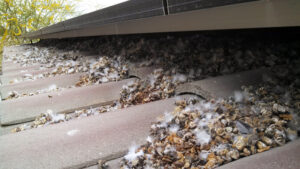
Pigeons do what pigeons do. We cannot change nature, but we can influence and motivate adjusts in pigeon activity to protect your solar panels. Whilst this may not seem like a big issue in everyday life, it can wreak havoc on your solar panels. A passing bird or two will not damage your solar panels in the long-run, however, pigeons nesting under them can and will.
Keeping birds away from your home solar system housing and ensuring they take their nests elsewhere is what Southwest Avian Solutions does. Unfortunately, this is easier said than done. Solar panels create a good shady spot protected from the elements while offering the required support for nest building.
An ounce of prevention is better than a pound of cure. With pigeons and other birds, it is better to take precautions from the outset. However, if you are experiencing problems with birds nesting in your solar panels it is not too late.
5 Steps to Pigeon Proofing Solar Panels
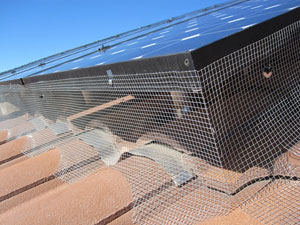
Want to prevent pigeons in your solar panels? We have put together some helpful steps Southwest Avian Solutions can do to convince them to go somewhere else:
Bird Mesh Installation – Bird control screening / mesh has proven itself as one of the most effective pigeon-proofing options for your home solar systems. Bird screen is specifically designed to seal the 8″ gap area between the roof tile and solar panel under your solar panels by custom made clips that attach directly to the solar panels and hold the bird screen in place, running around the edges of the entire array. It allows for airflow while making it difficult for birds to construct nests beneath the panels.
Roof Spike Installation – Yes, spikes are not the most attractive option available for keeping birds away, however, they have proven to be highly effective. Stainless steel roof spikes are designed to make it uncomfortable for pigeons to roost on or around your solar panels. As a result, spikes keep birds from hanging around long enough to make a nest or a mess. Not to be used to prevent pigeons going under the solar panels
Plastic Predators or Reflective Spinners – Pigeons and other birds have natural predators. Imitating birds of prey, via plastic casts, may seem old-fashioned, yet it is still sometimes effective short term. Simply installing a fake owl with a head that swivels in the breeze can effectively and convincingly scare birds away for a short while. There are also automated bird flash spinners available that have proven to be even more effective but not long term.
Keep Your Panels Clean – It is highly recommended to periodically clean the area around your solar panels to make it unattractive to bird congregating. Trash and debris build up quickly, especially on flat roofs. If you have rubbish bins around your house, store trash under a lid or in tightly sealed plastic bags. Remember also to clean up pet food around the house and store anything birds might want to eat in bins with fitted lids.
Solar Panel Maintenance – Solar panel system maintenance is important and maintaining it in good working order will make it that much less vulnerable to bird nests and droppings. Regular cleaning and repair of cracks or mounts will go a long way. Having your solar panels professionally serviced is vital to ensure long-term functionality.
Pigeon Proofing Solar Panels is Essential
Pigeon proofing your solar panels is an essential part of keeping them clean and safe for long term functionality. Southwest Avian Solutions is the leading expert in pigeon proofing solar panels and looks to help you maintain the operational functionality of your solar panels. Contact our team of experts and protect your solar panels.
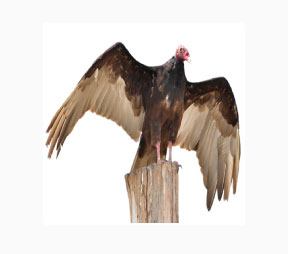 The Turkey Vulture does not win any beauty contests. The birds’ shape and head look similar to a turkey, with a red head and dark body feathers.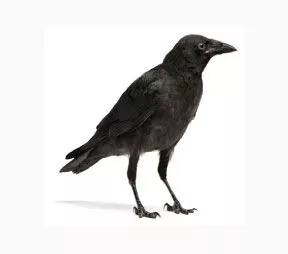
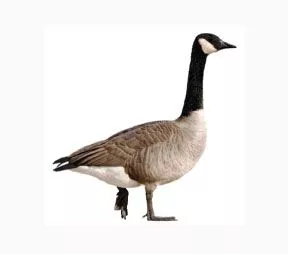 By definition, Canadian Geese are not classified as pest birds and are afforded protection by federal and state agencies. Nonetheless, Canadian Geese are increasingly becoming the scourge of suburbia as their numbers have grown in the past decade from only a few thousand to hundreds of thousands of these birds.
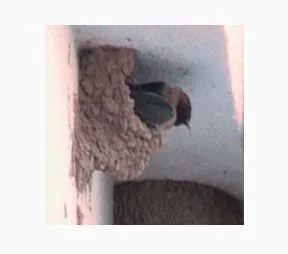 These sleek little birds are well known for their long migration and nesting habits. Cliff and Barn Swallows spend their winters in South America and summers in North America. They arrive around March in the southern part of the country, reaching the northern states in April. Swallows are very territorial and will always come back to the same nesting site. Swallows have made a very successful switch from cliffs and caves to man made structures for placement of their mud pellet nests.
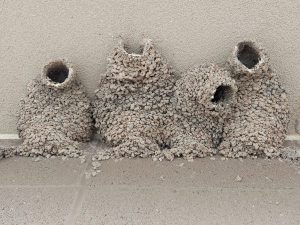 from the bird colony along with collecting on the ground. Homeowners have also reported problems with parasites entering the house through building cracks next to the nests which poses a potential health risk to humans and animals.
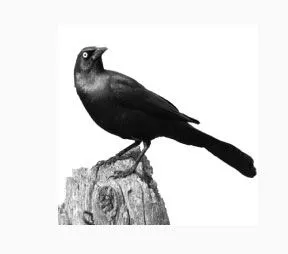 Grackles are boisterous, abundant members of the Troupial Family. The common grackle has a green,blue, or purple iridescent tinted black plumage with a glossy purplish head, neck, and breast with the female of the species, slightly smaller and duller colored.
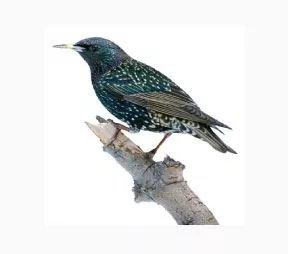 Like the House Sparrow, the Starling was introduced from Europe in the 19th century. However, it did not spread as fast and only reached the western coast within the last few decades.
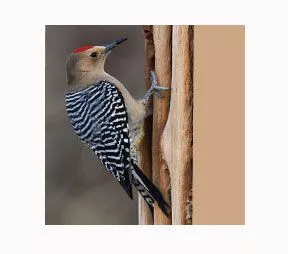 Woodpeckers primarily feed on wood-boring insects using their strong beak and long tongue to dislodge food. Some members of the Woodpecker Family (Flickers) feed on insects of the ground, while others prefer native berries, fruits, and nuts.
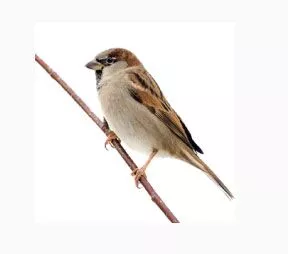 The House Sparrow is the number two urban pest bird. Introduced as a species to North America, the house sparrow quickly spread across the country due to its lack of natural enemies and its adaptive traits. Its ability to nest in urban structures, eat urban scraps, and a large breeding capacity are some of these adaptive traits.
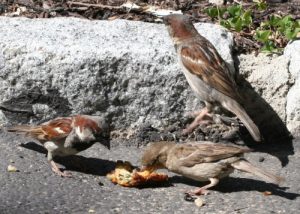 eaves of houses.
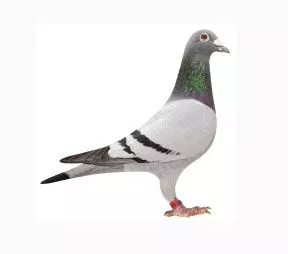 Feral Pigeons (Columbia Livia) are the number one urban pest bird, causing damage where ever they nest or roost. Pigeons are descendants of domesticated European Homing Pigeons or Rock Doves, so they have a varied diet and feel at ease making their homes in man-made structures, they also lay 2 – 3 eggs every 3 or 4 months all year long in Arizona.
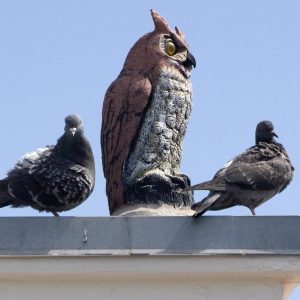 units, roof line overhangs, solar panels or even wide window sills.