
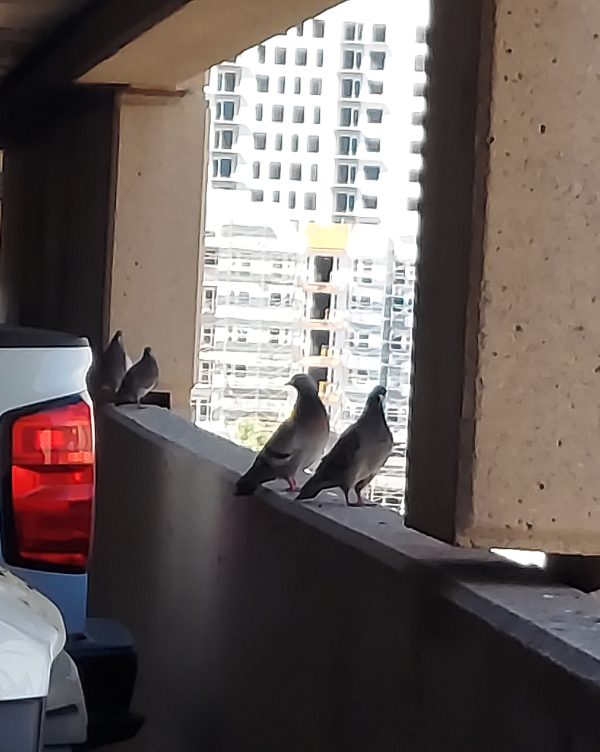
Stop birds and pigeons that are causing health, safety or image problems, additional maintenance cost and wasted time from cleaning and just the ongoing hassle from pest bird.

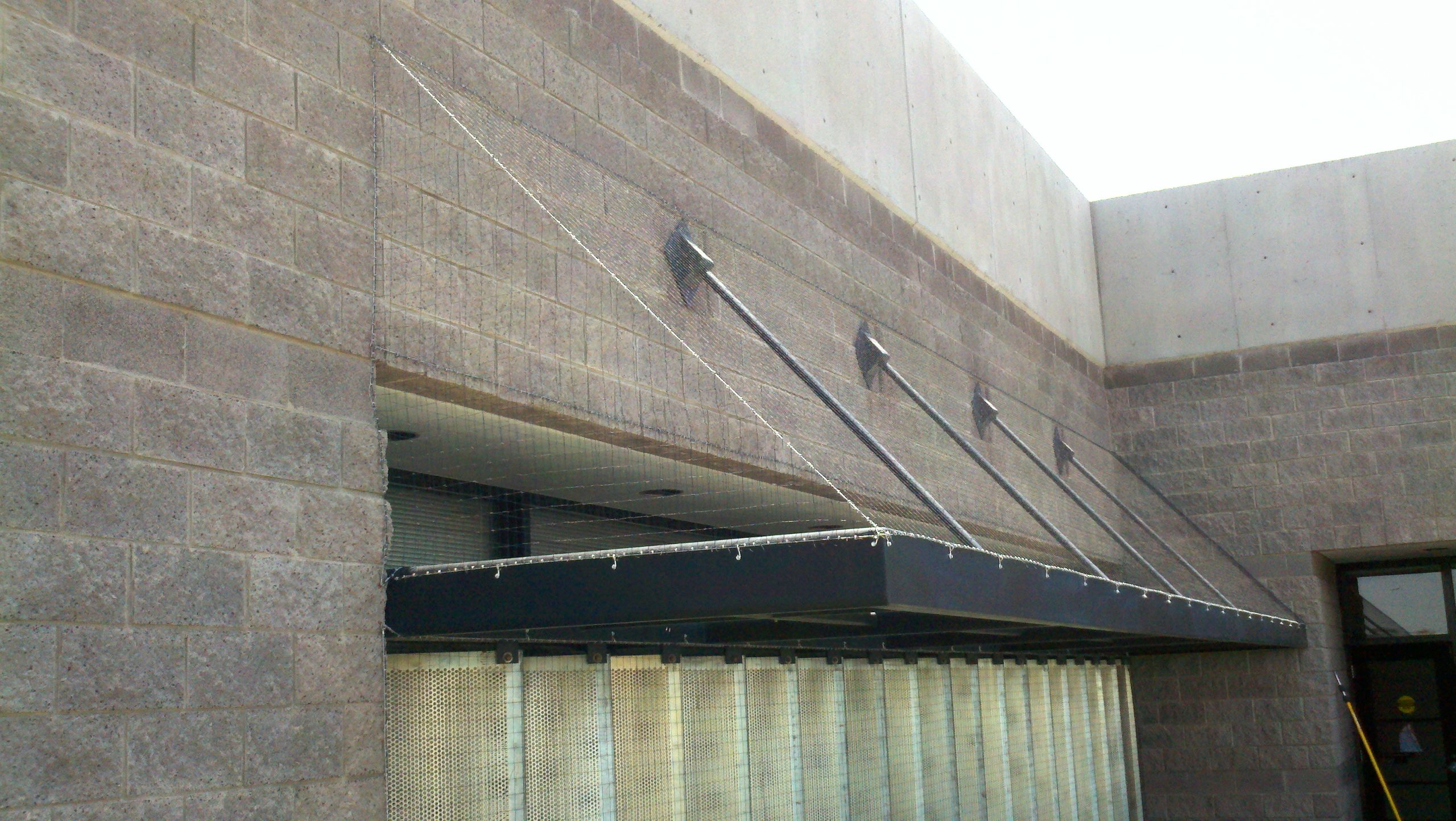
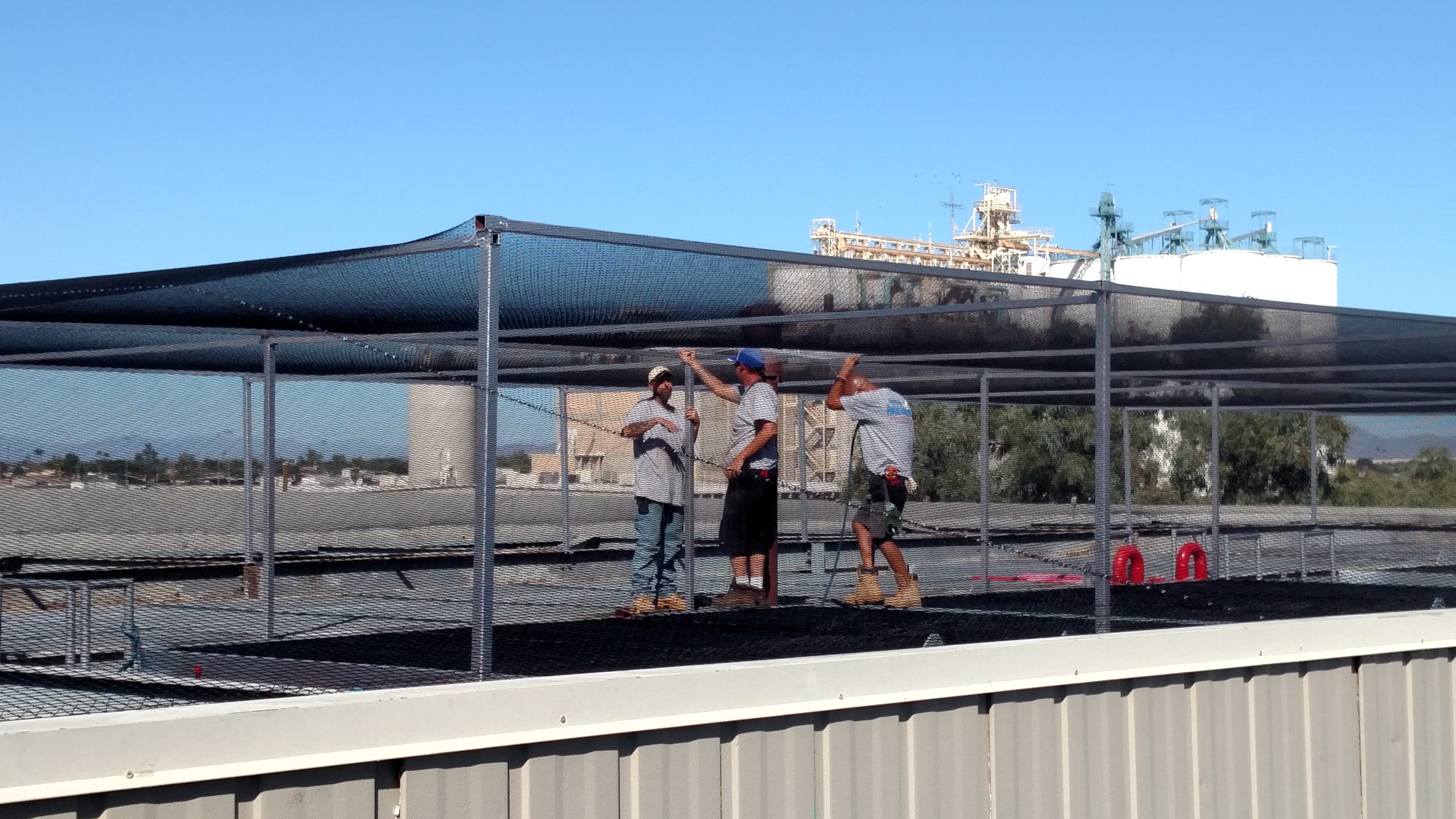
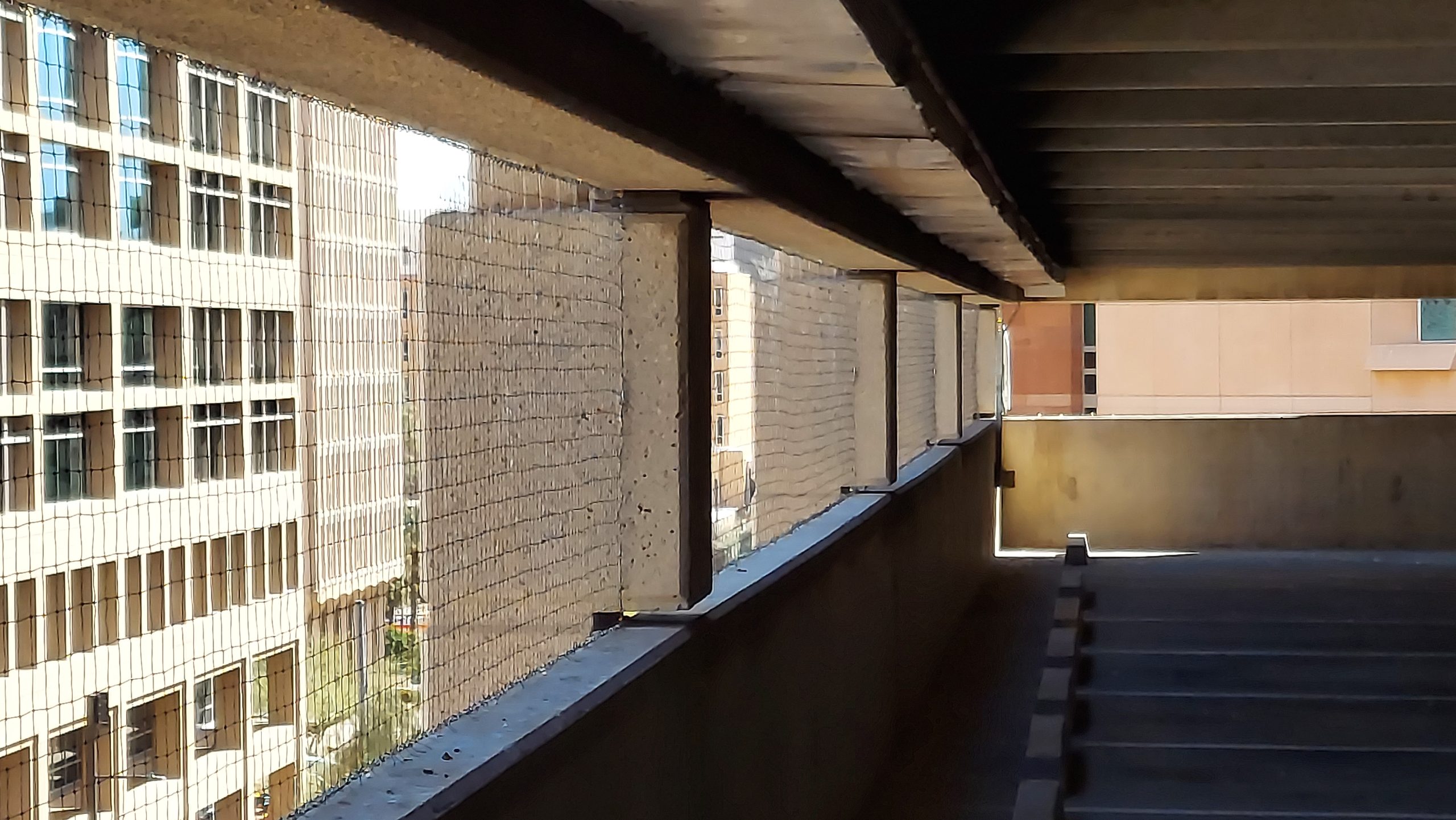
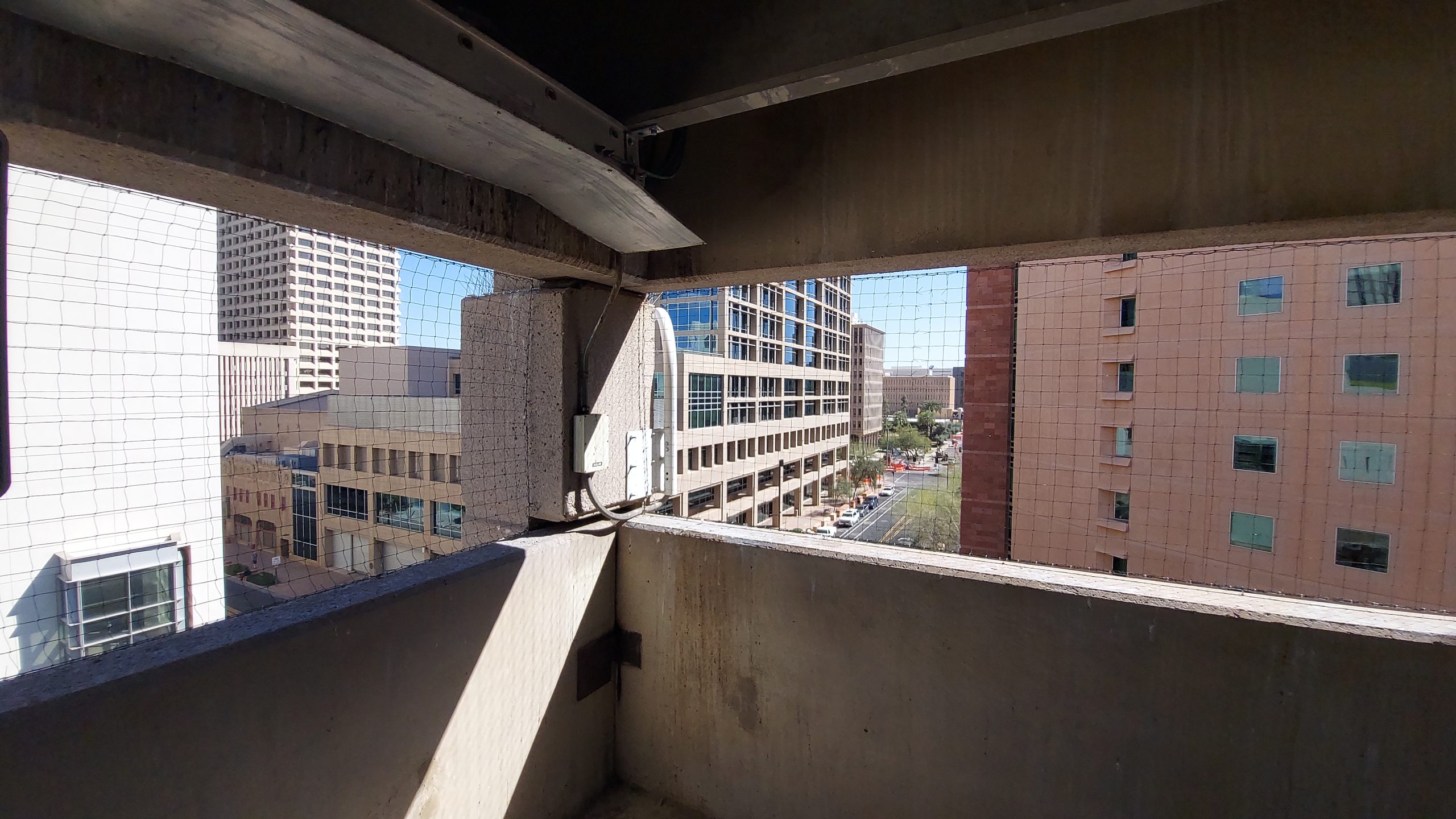
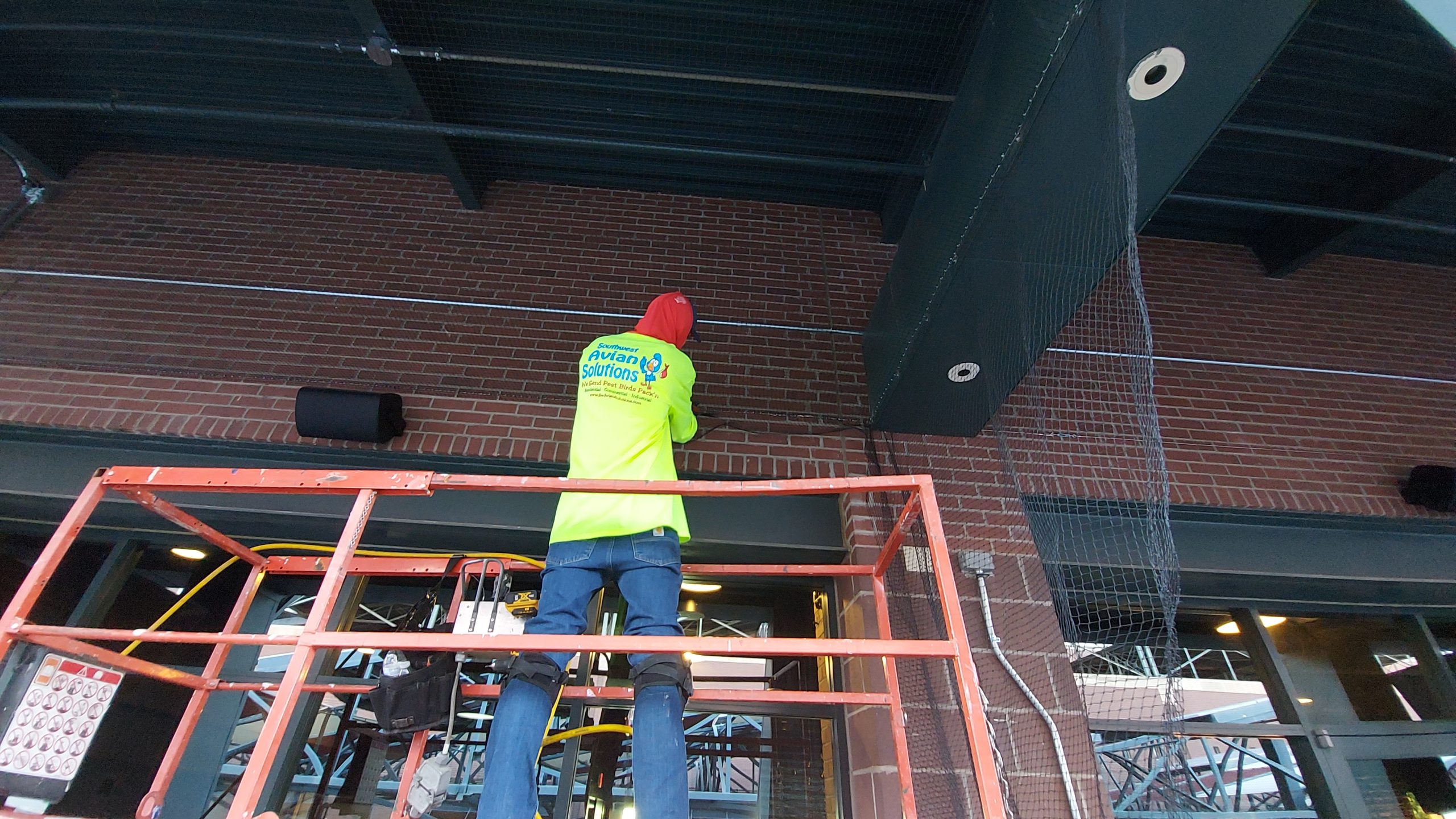
 It takes considerable training and hands on experience to learn how to install long lasting bird control solutions that are effective and will look discrete on your commercial building.
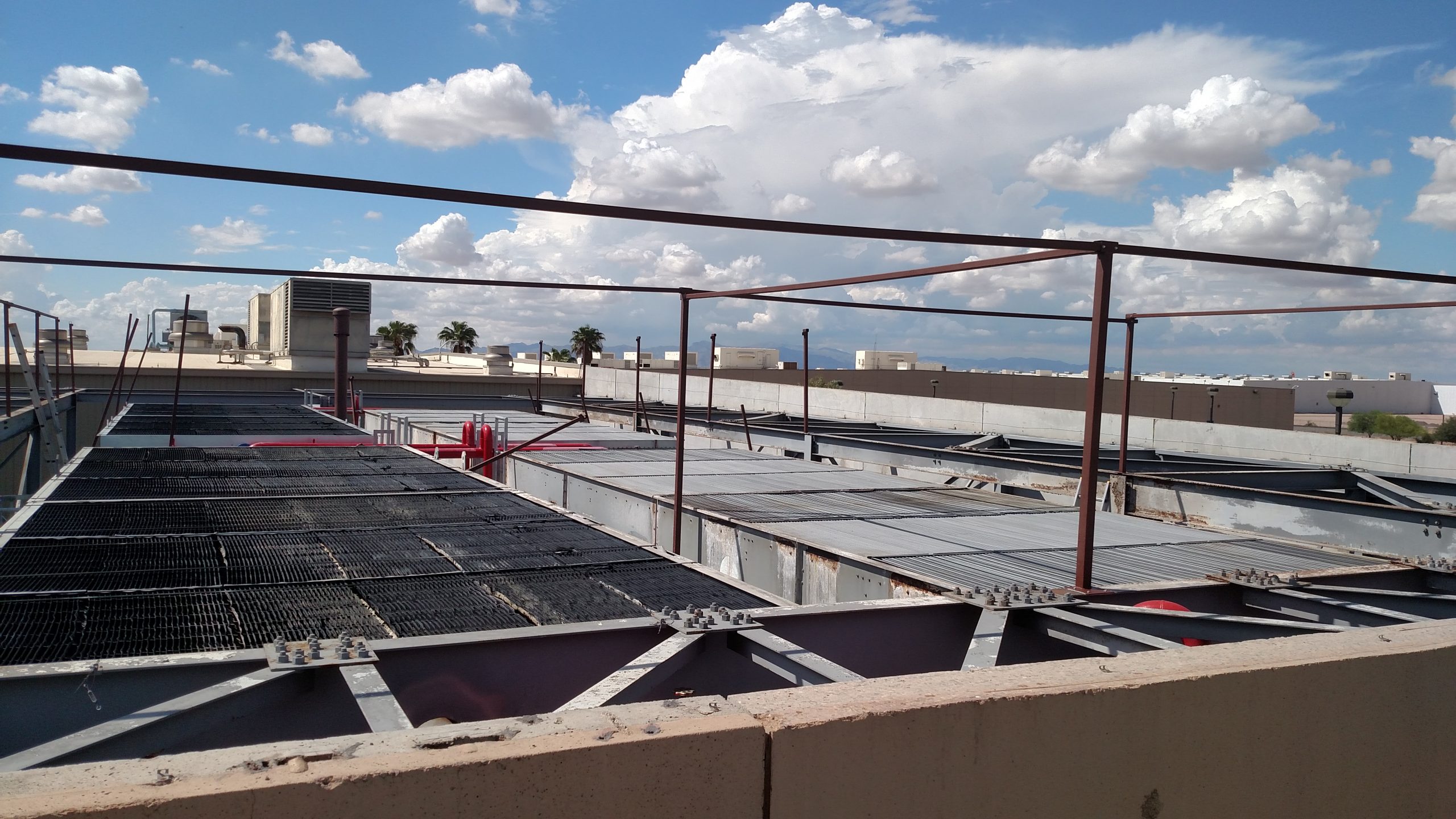
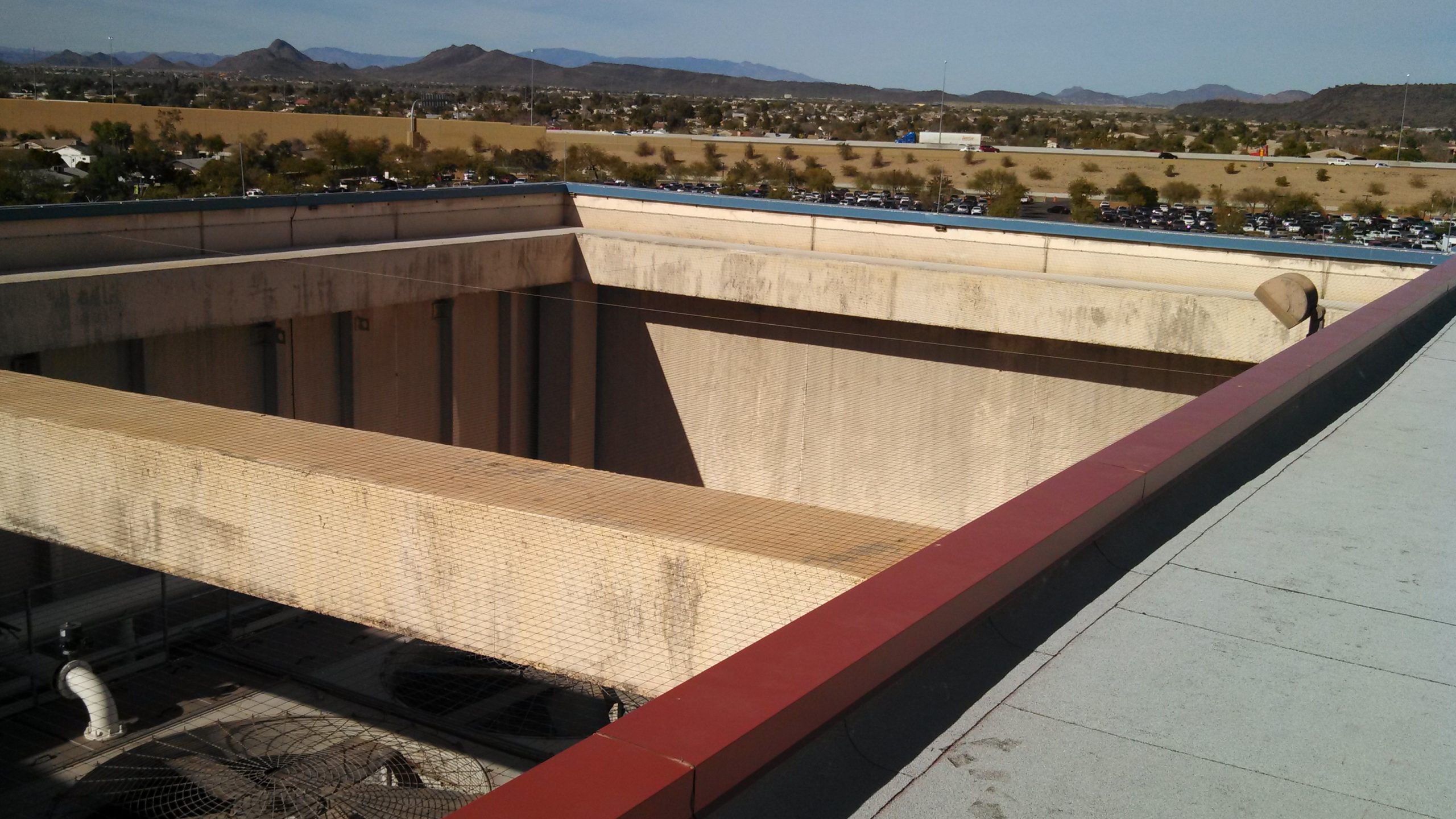
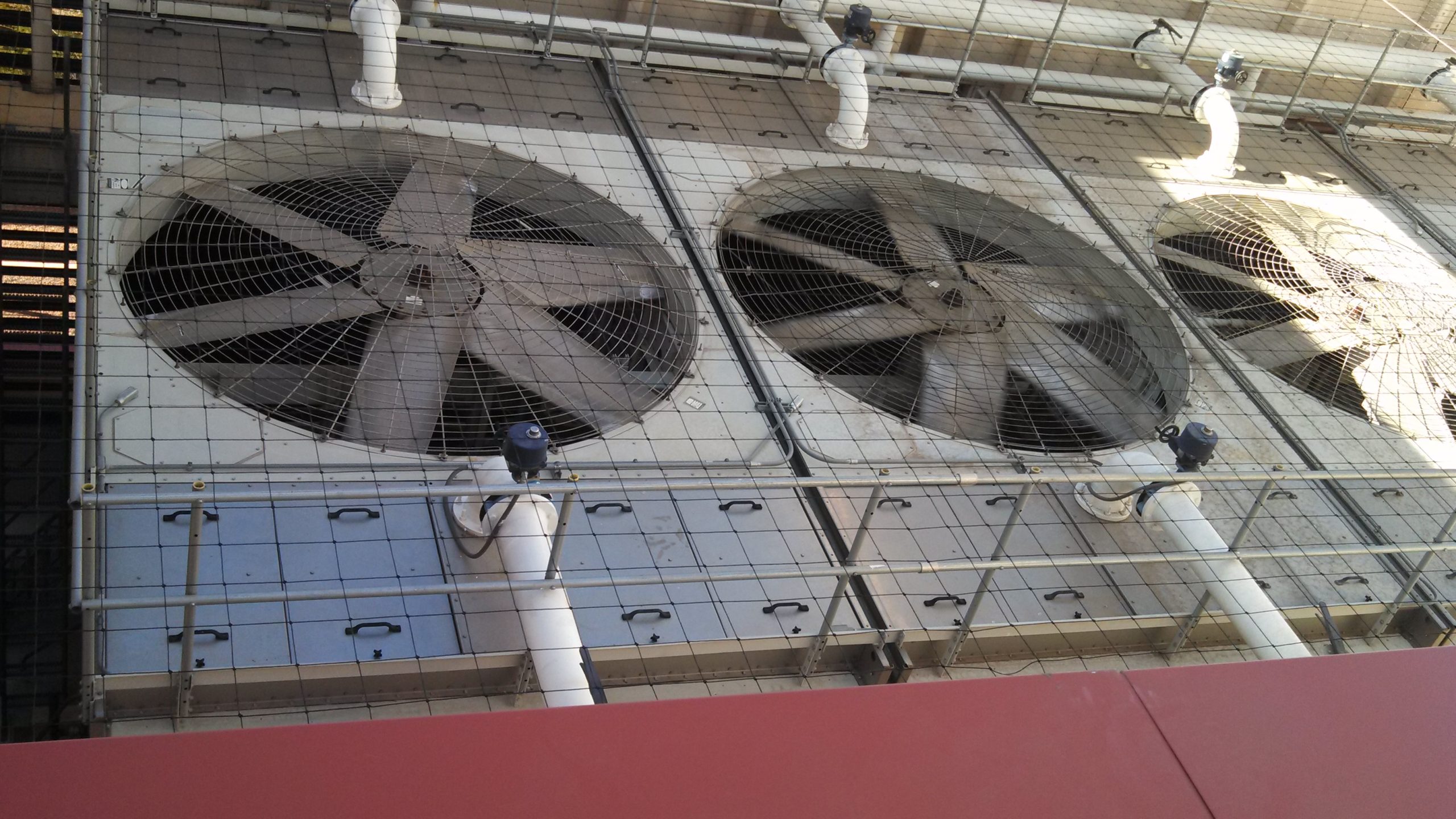
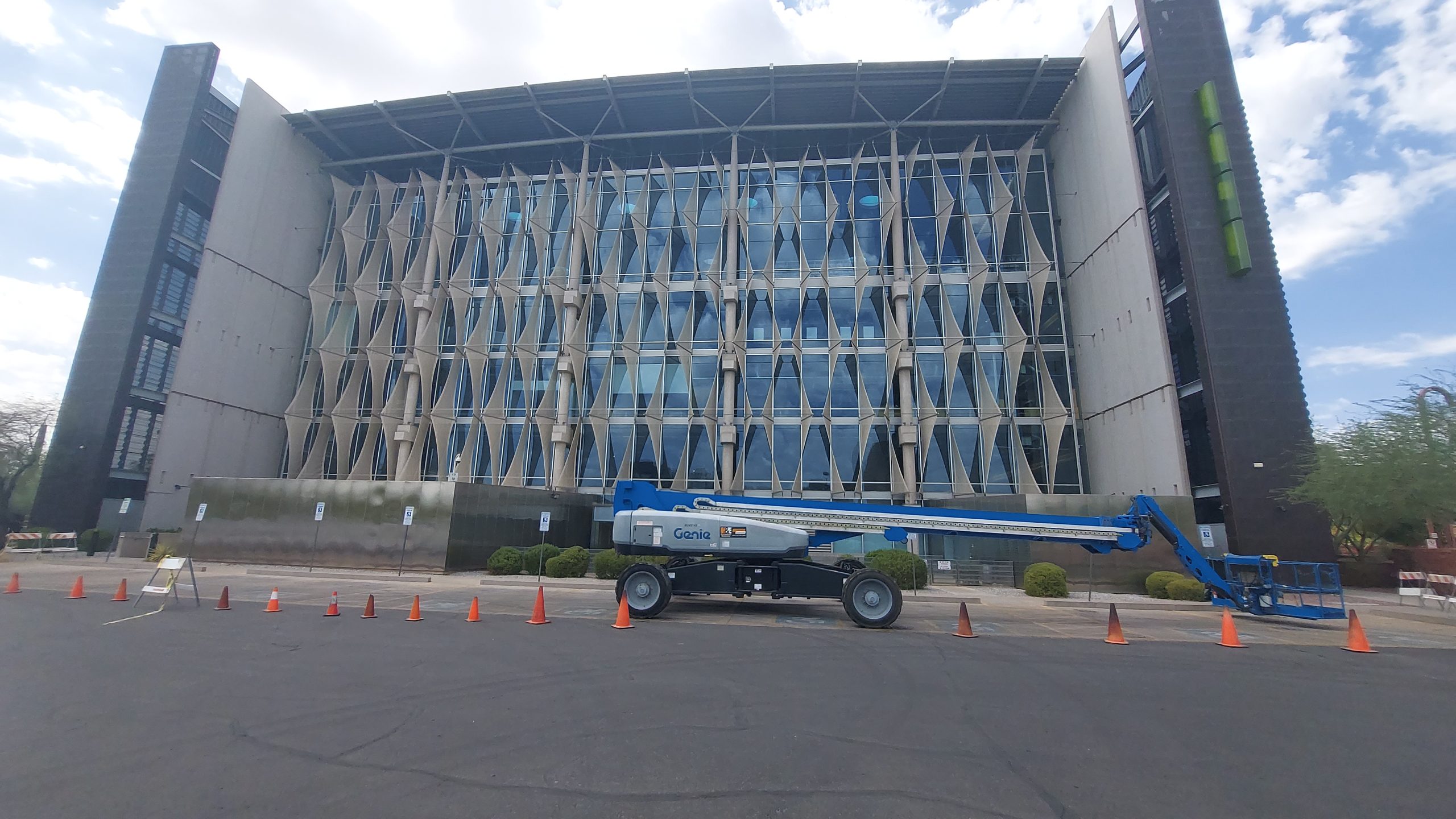
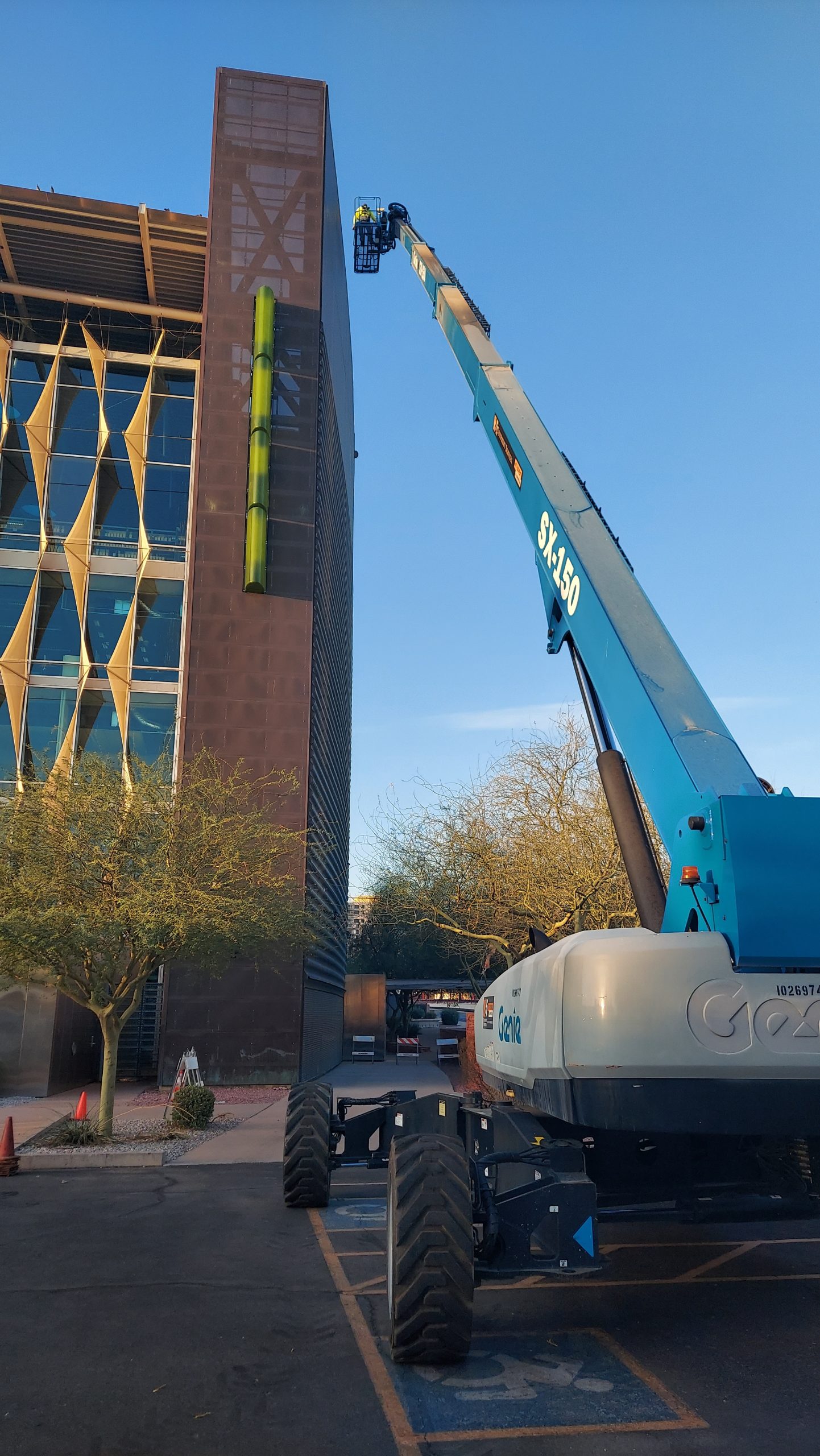
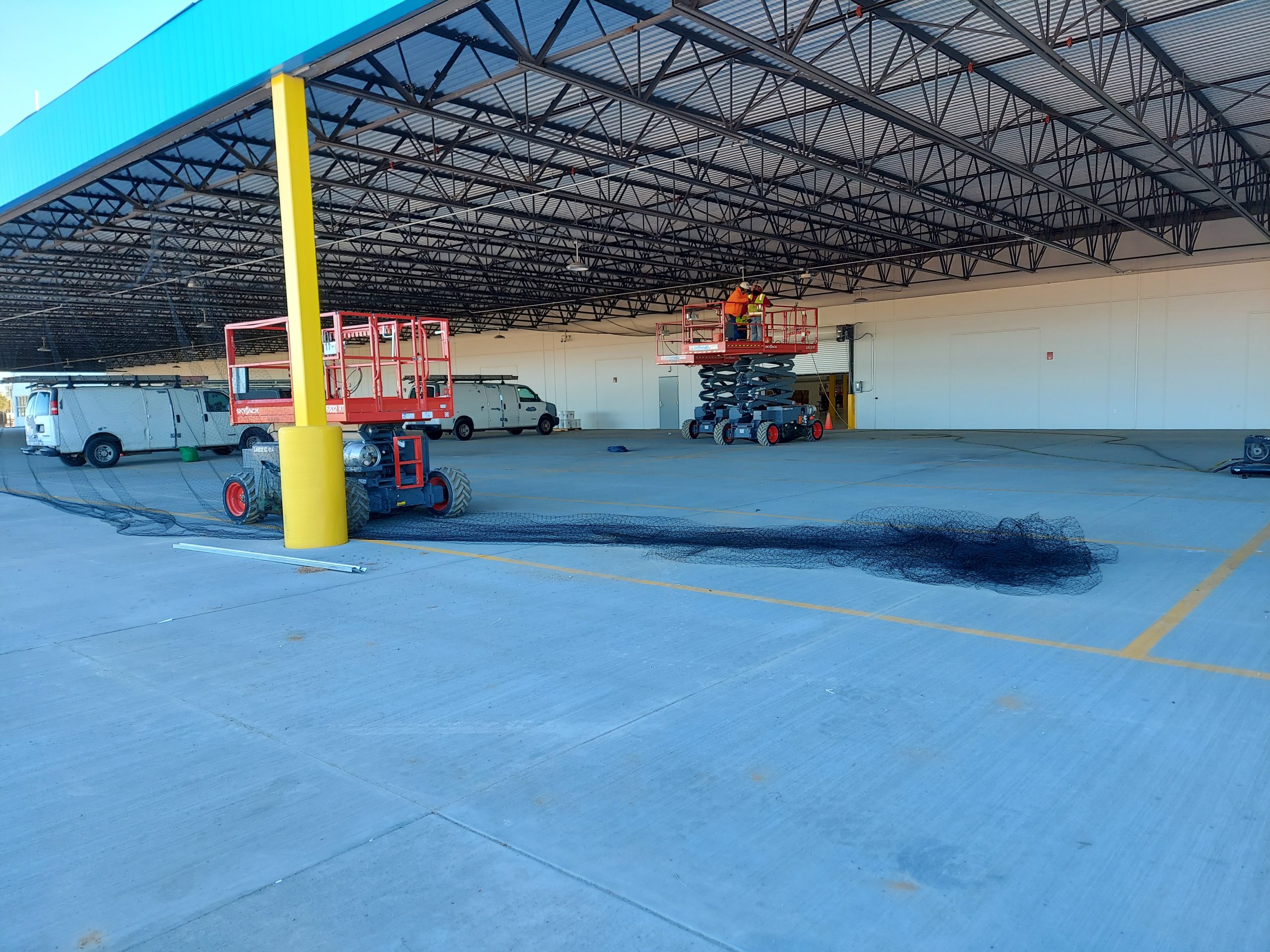
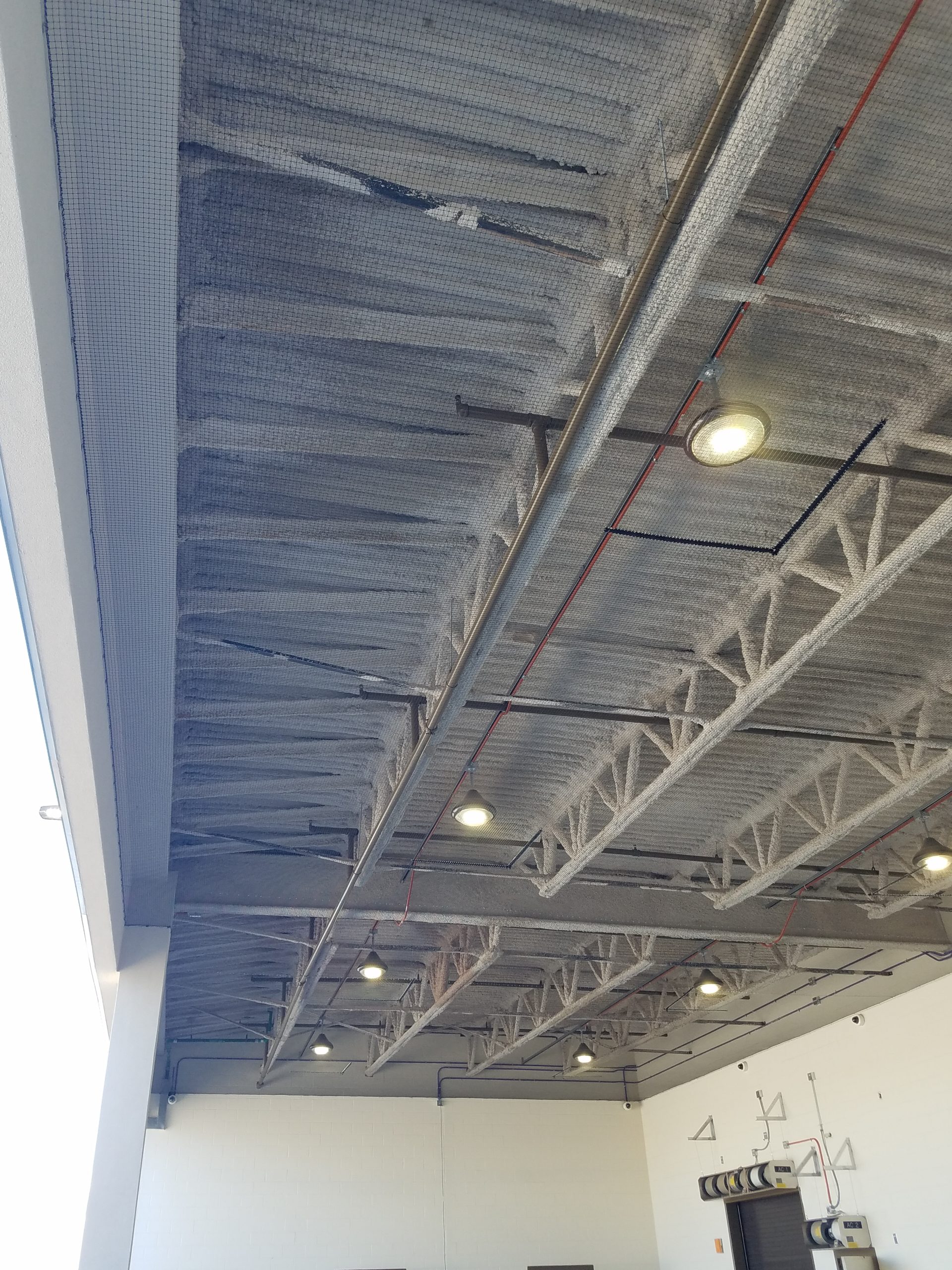
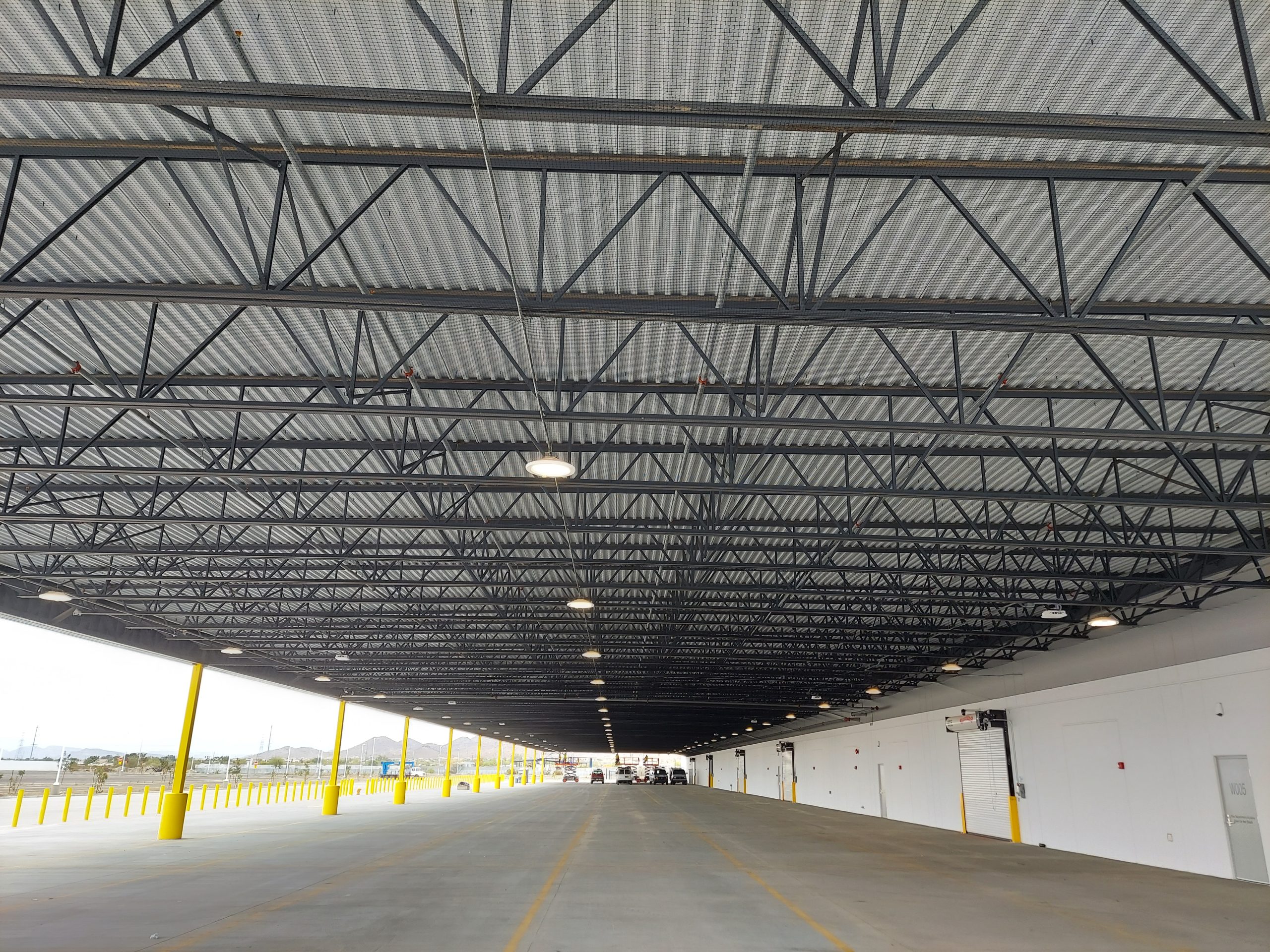
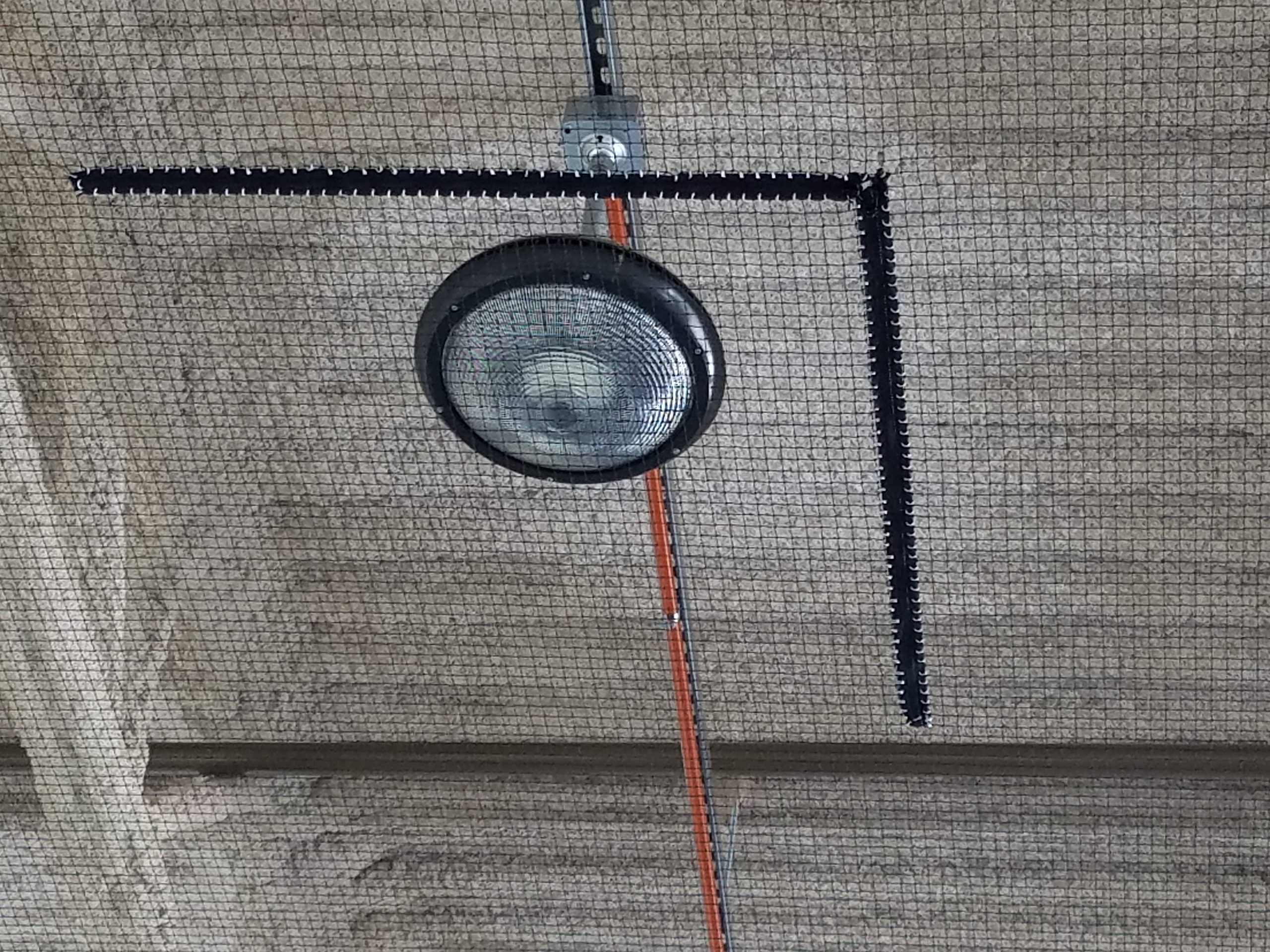
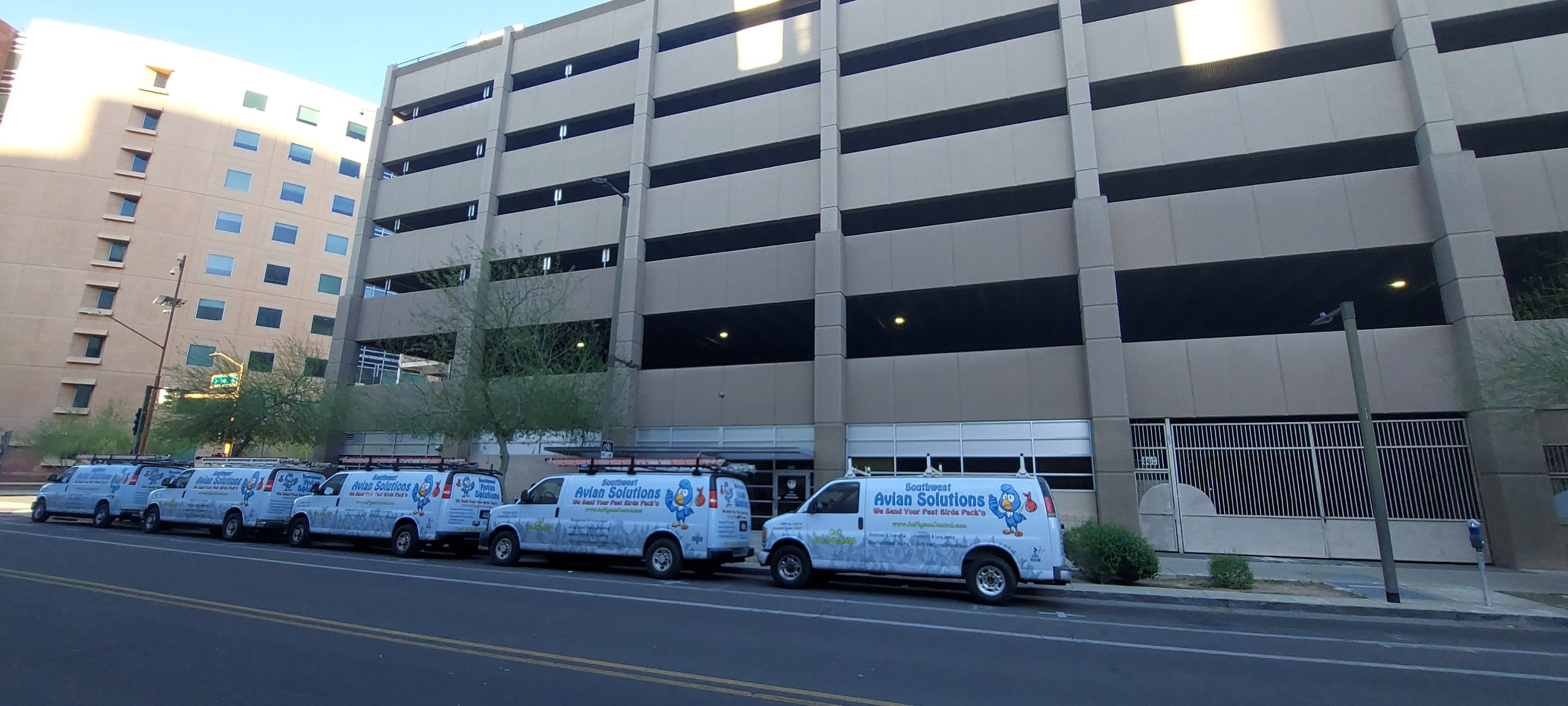
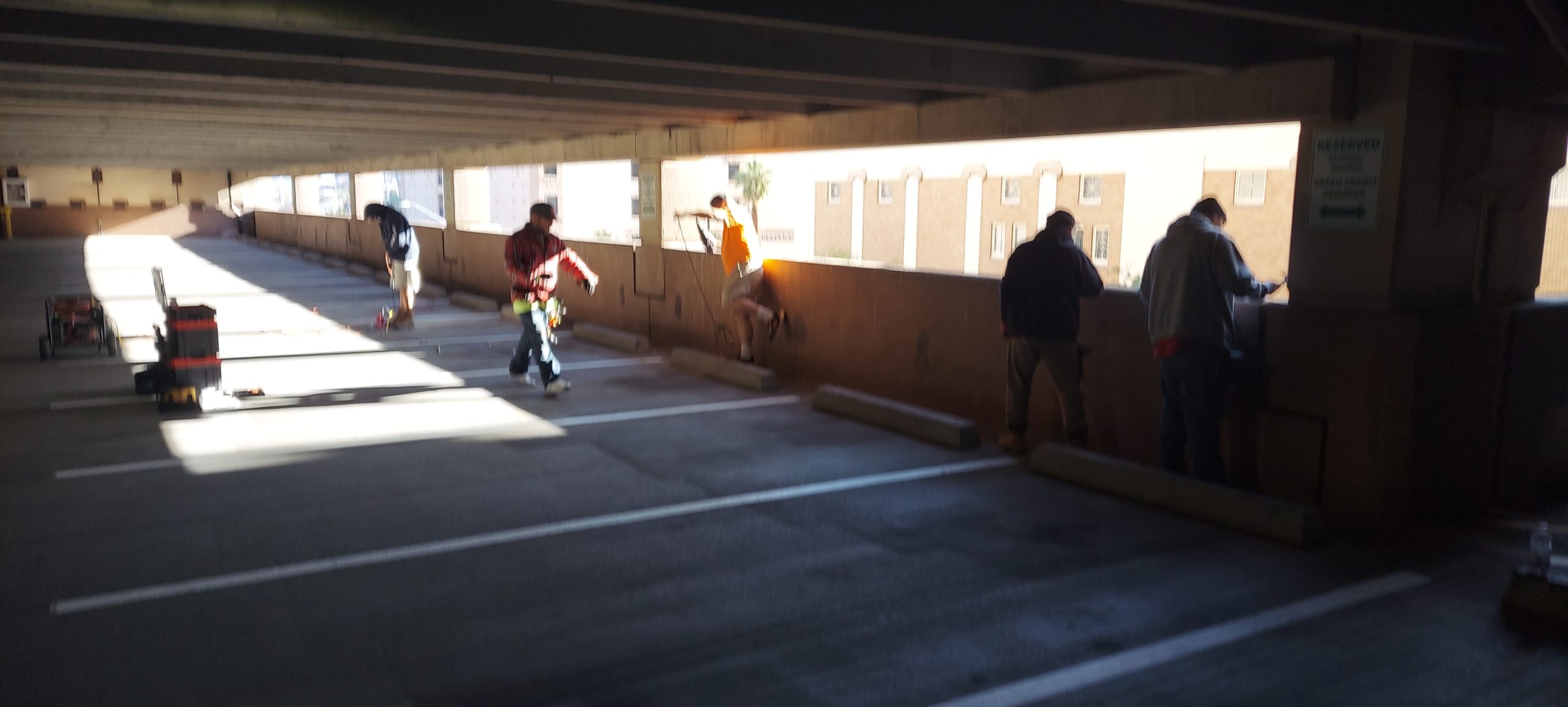
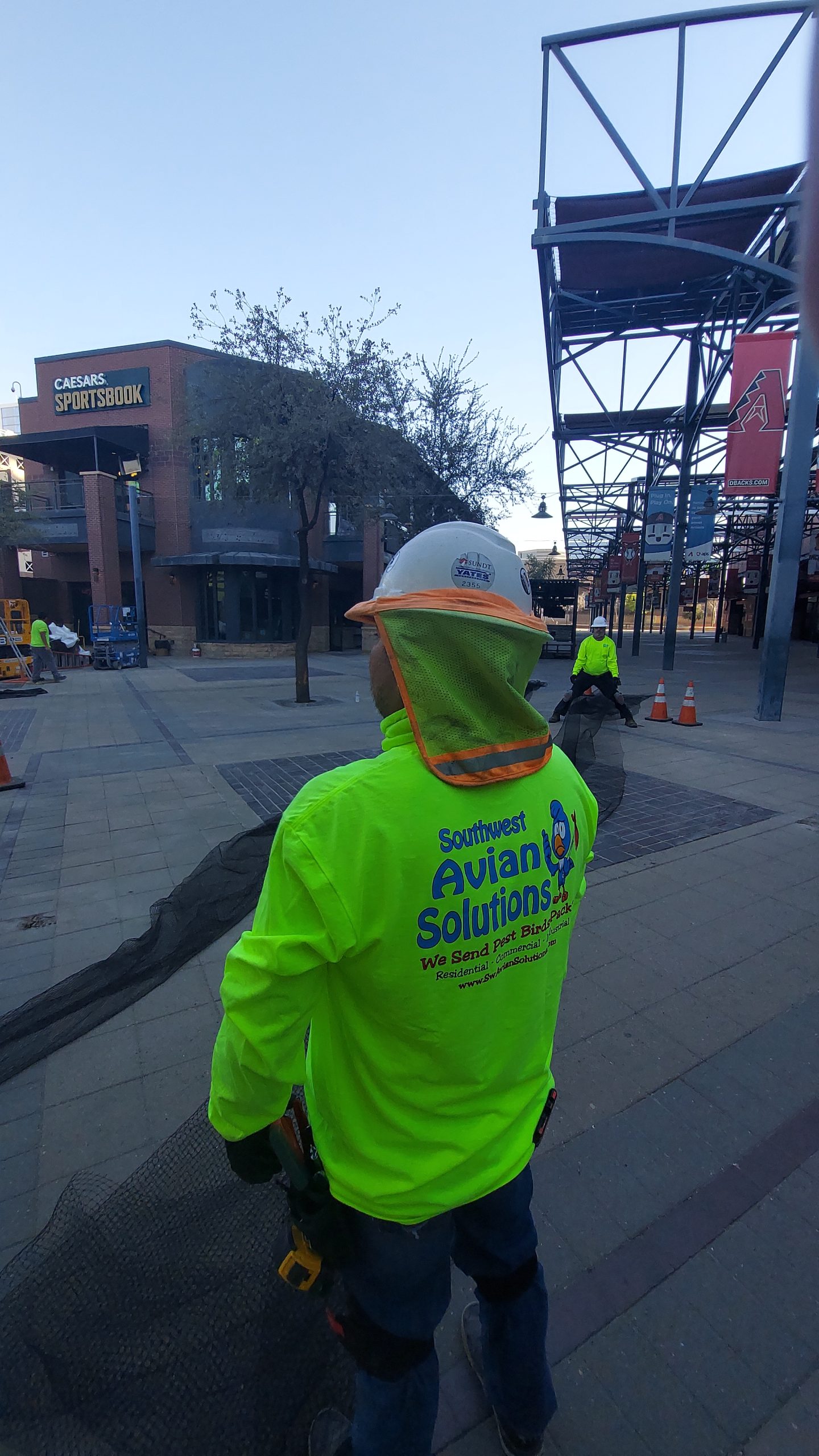
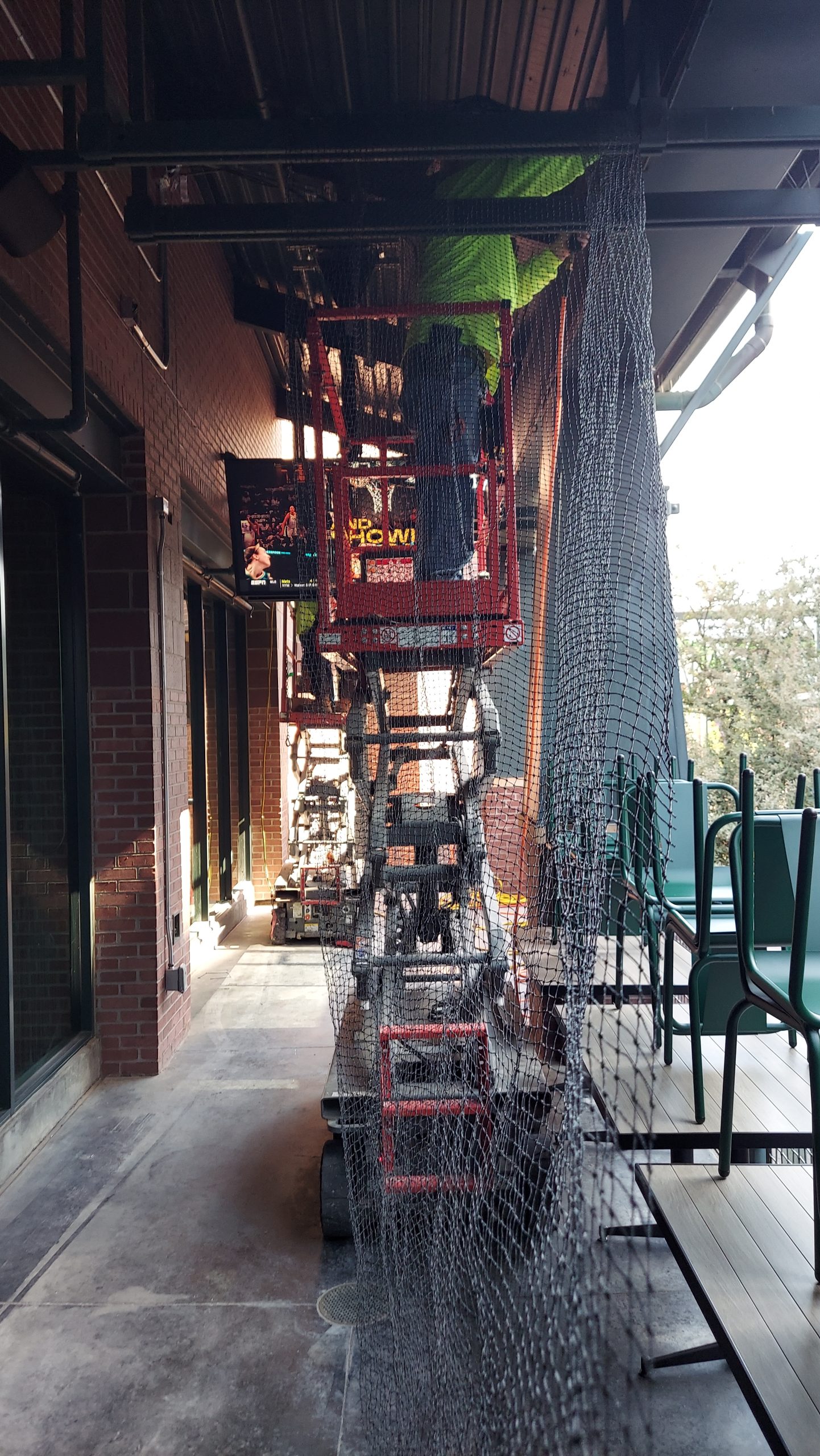
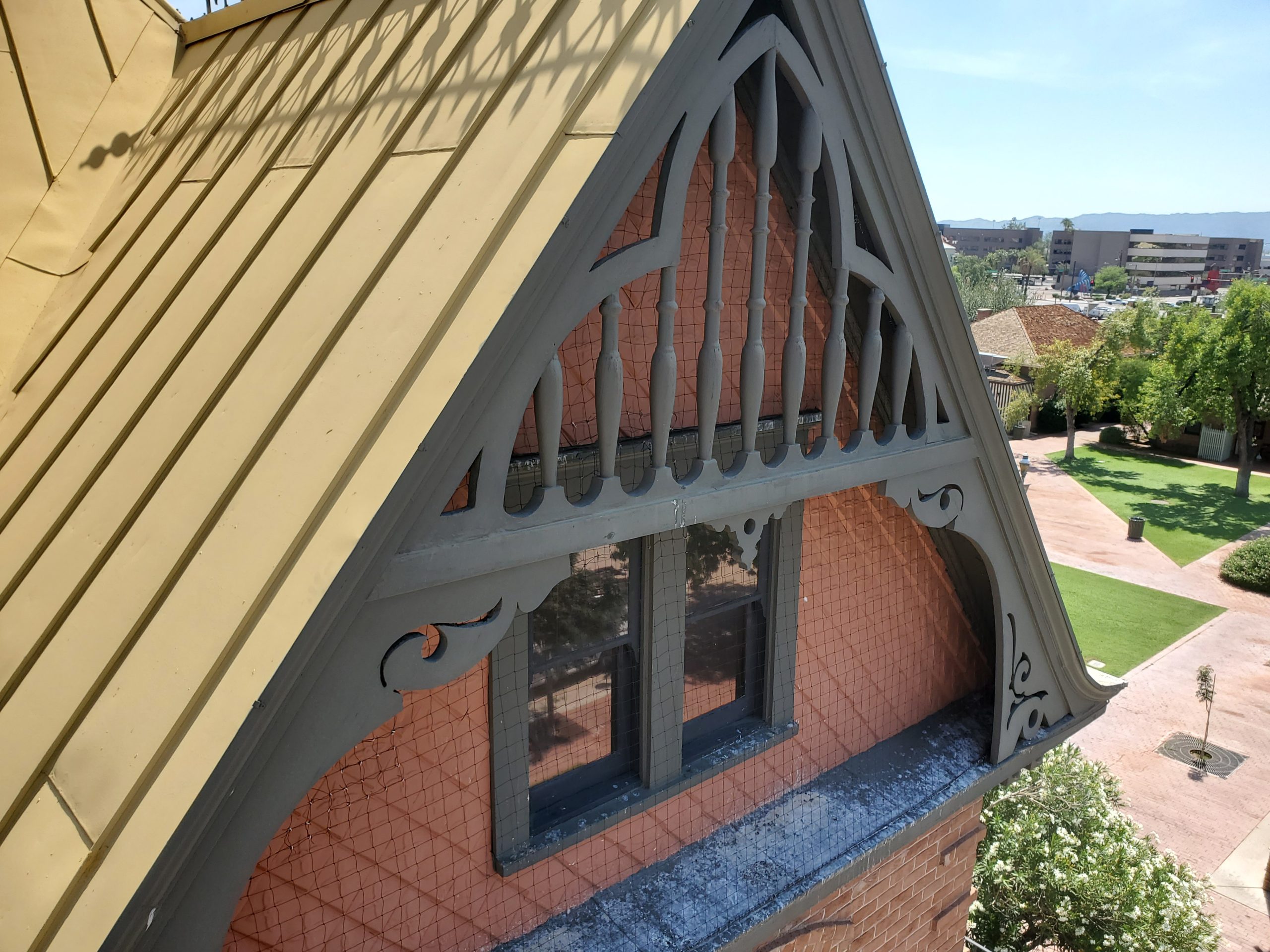
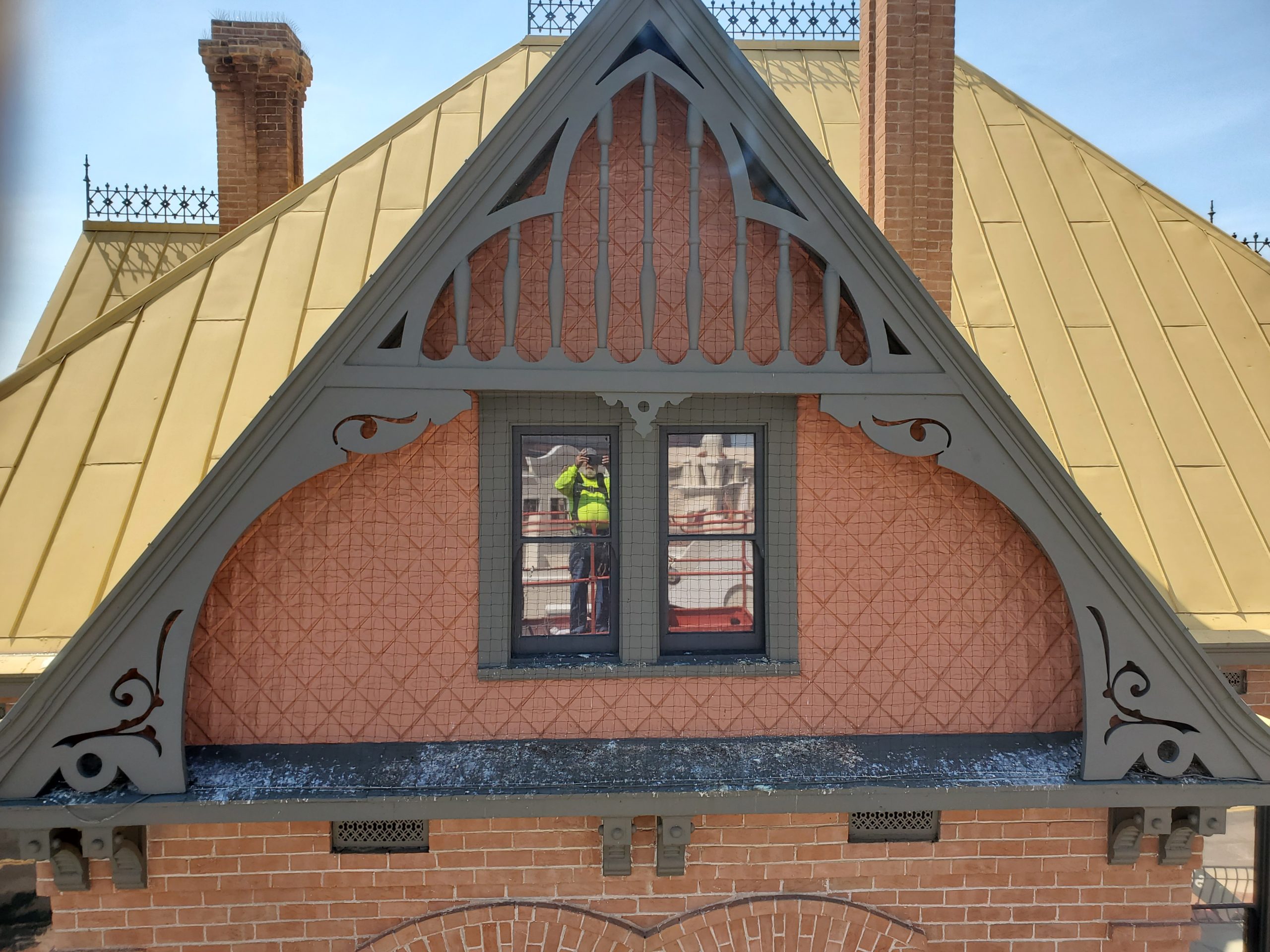
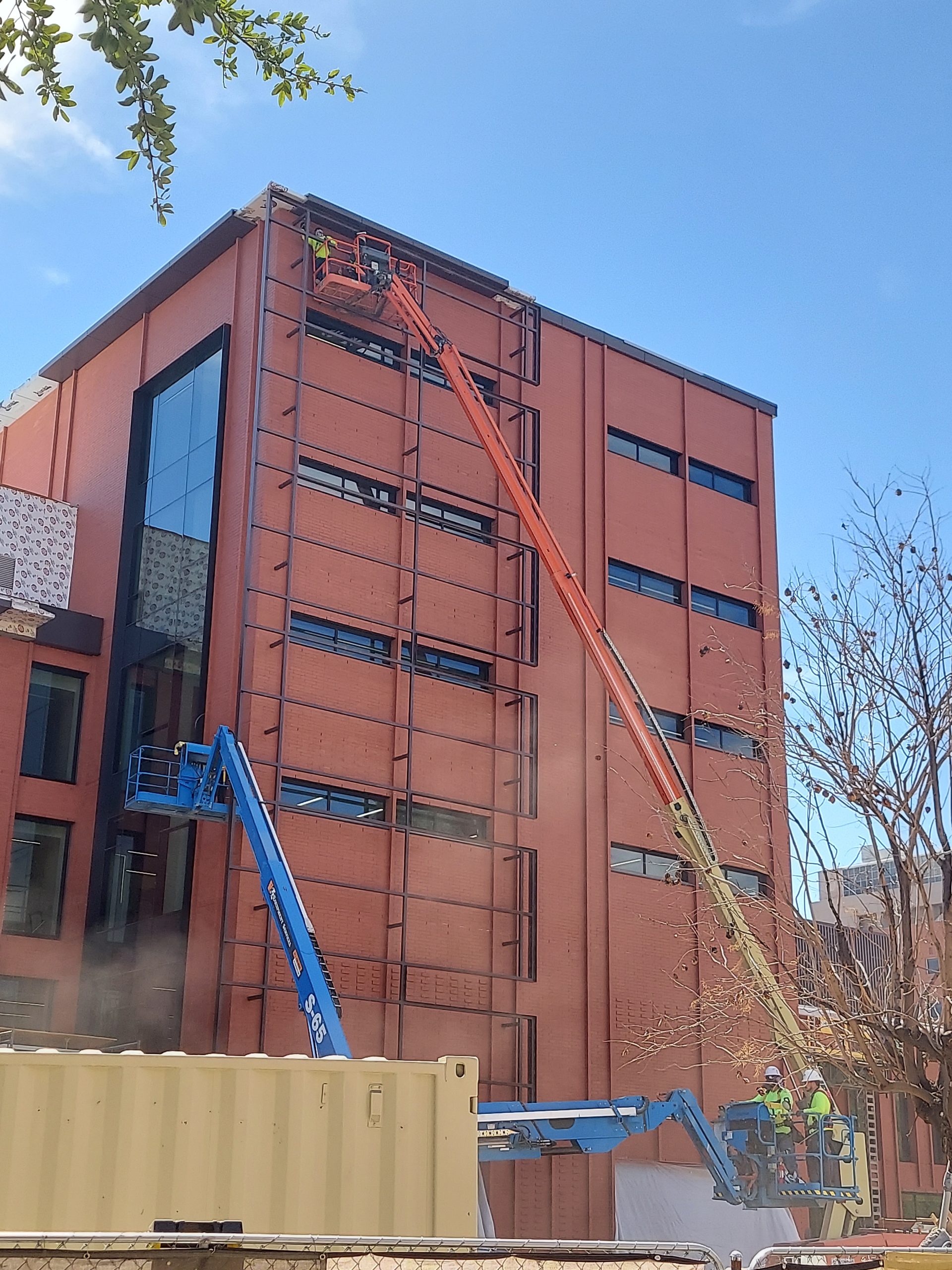
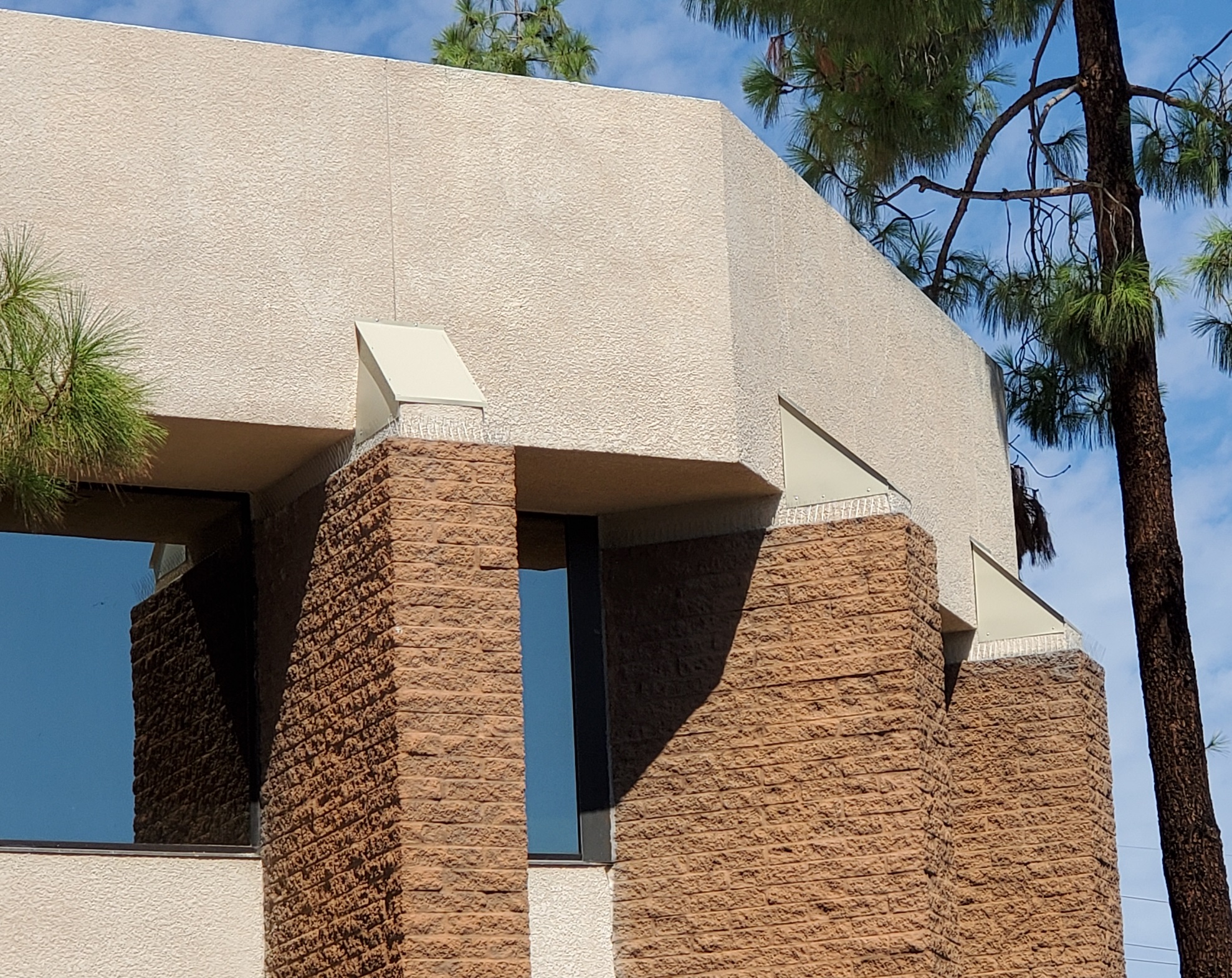
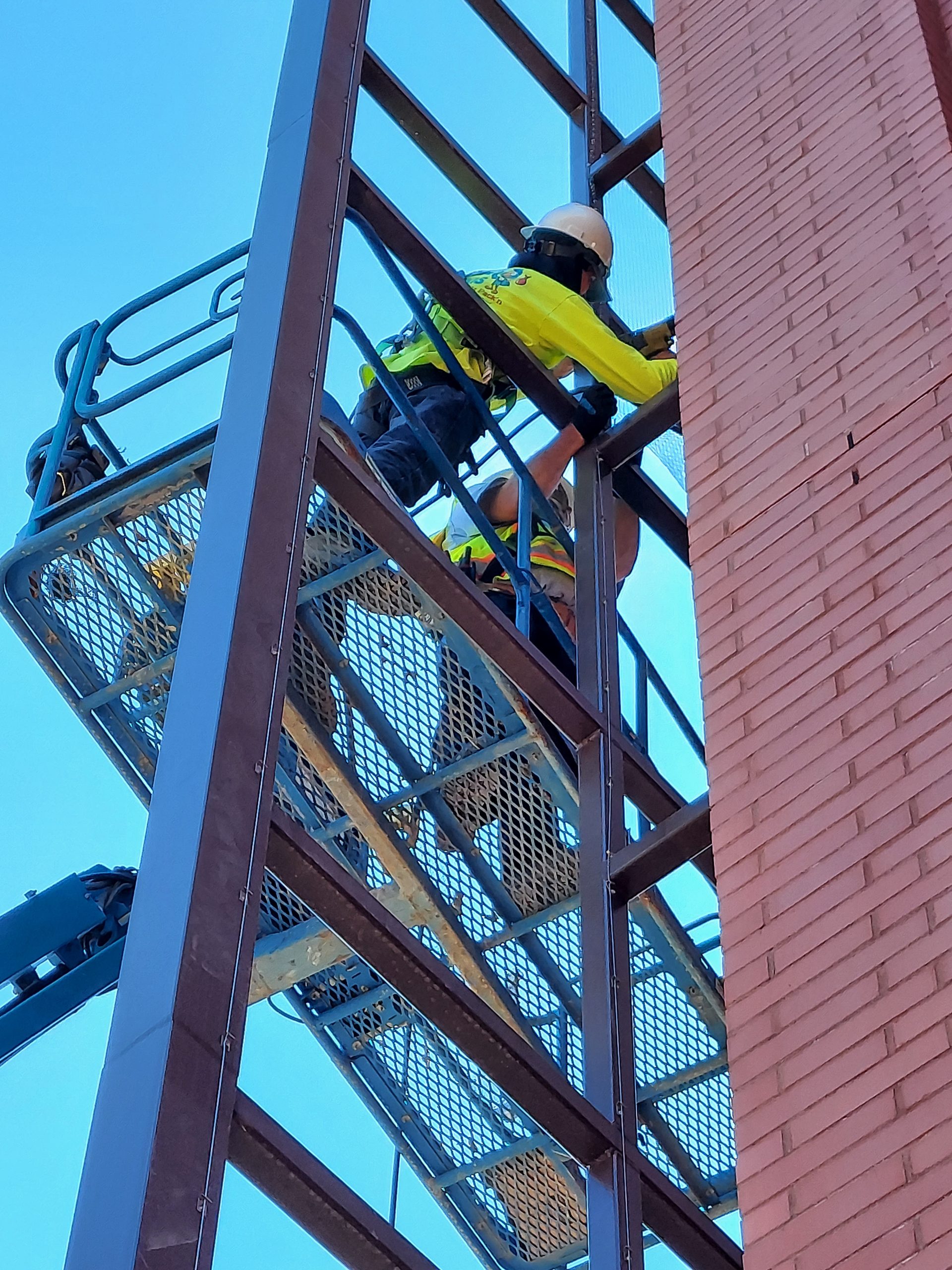
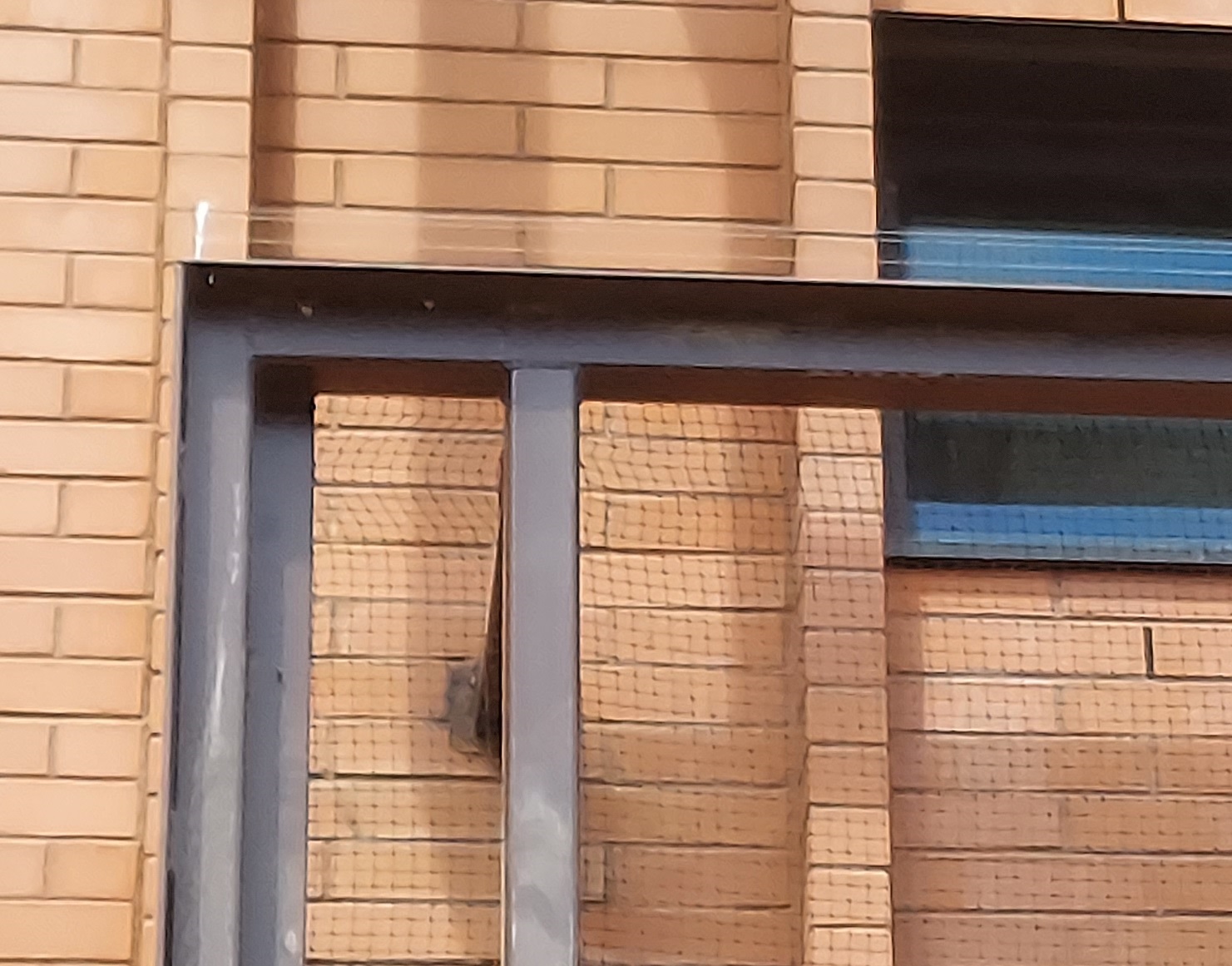
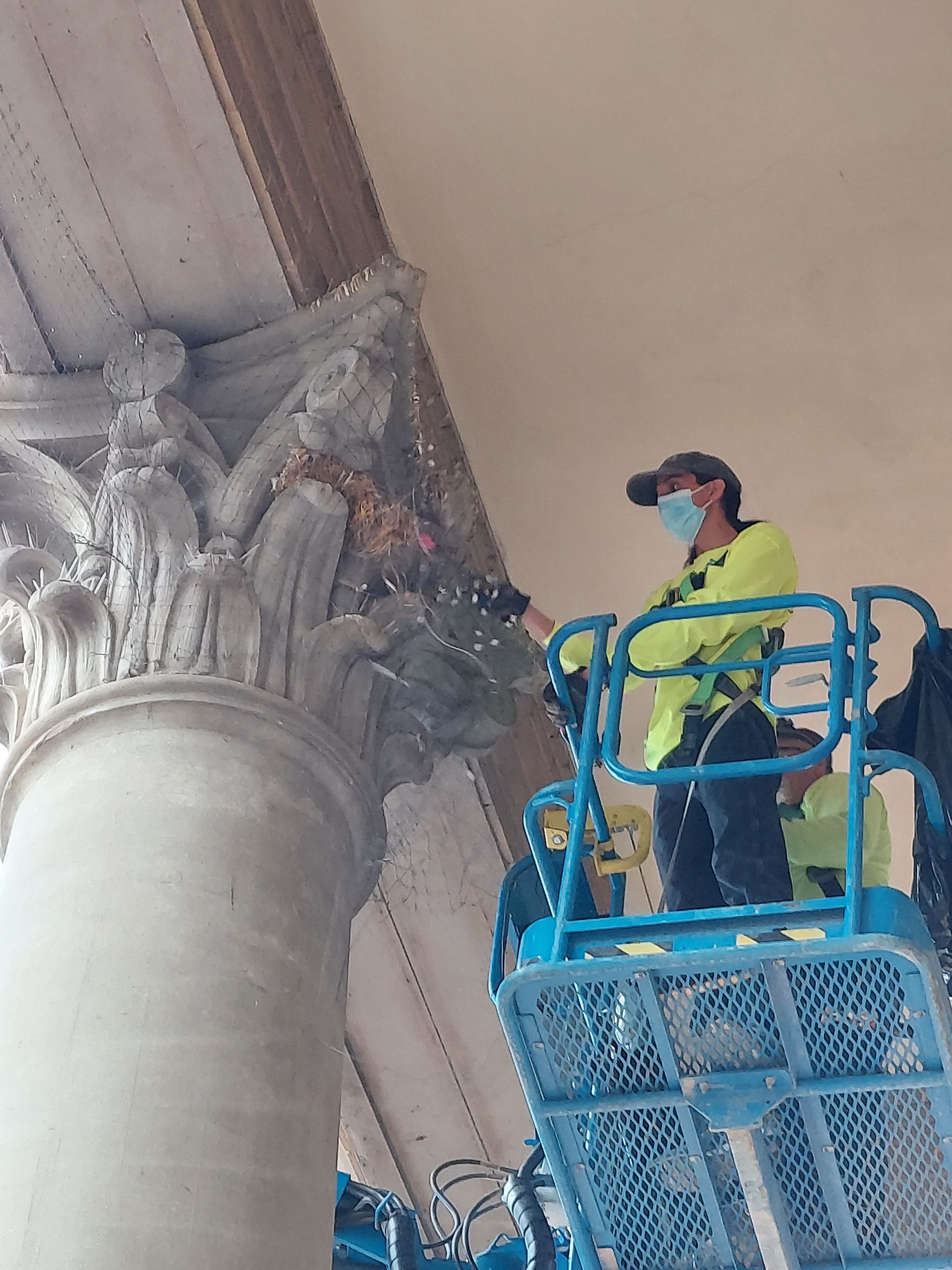
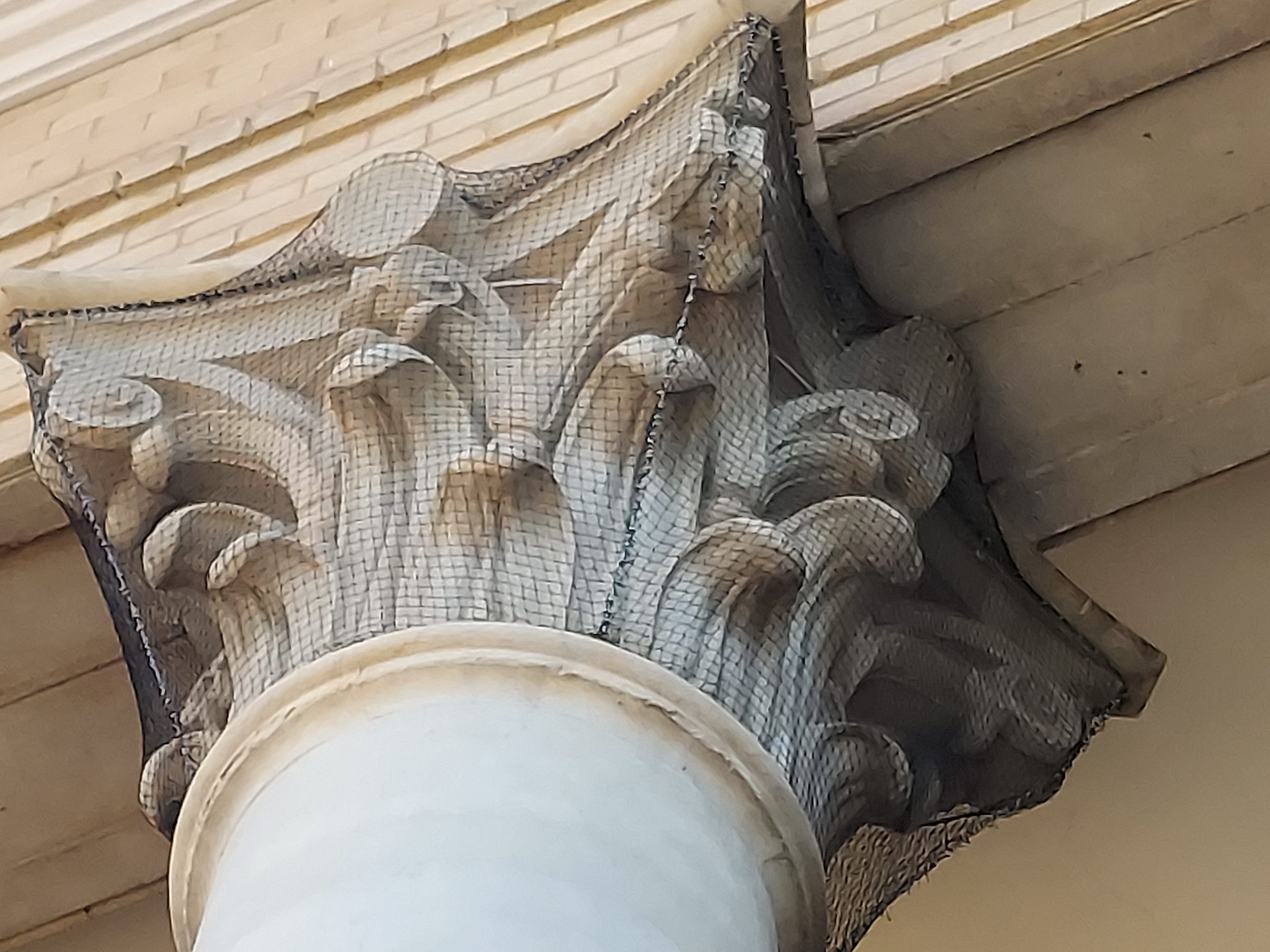
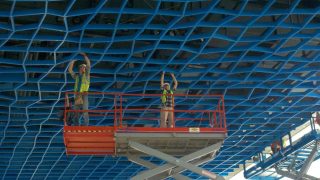
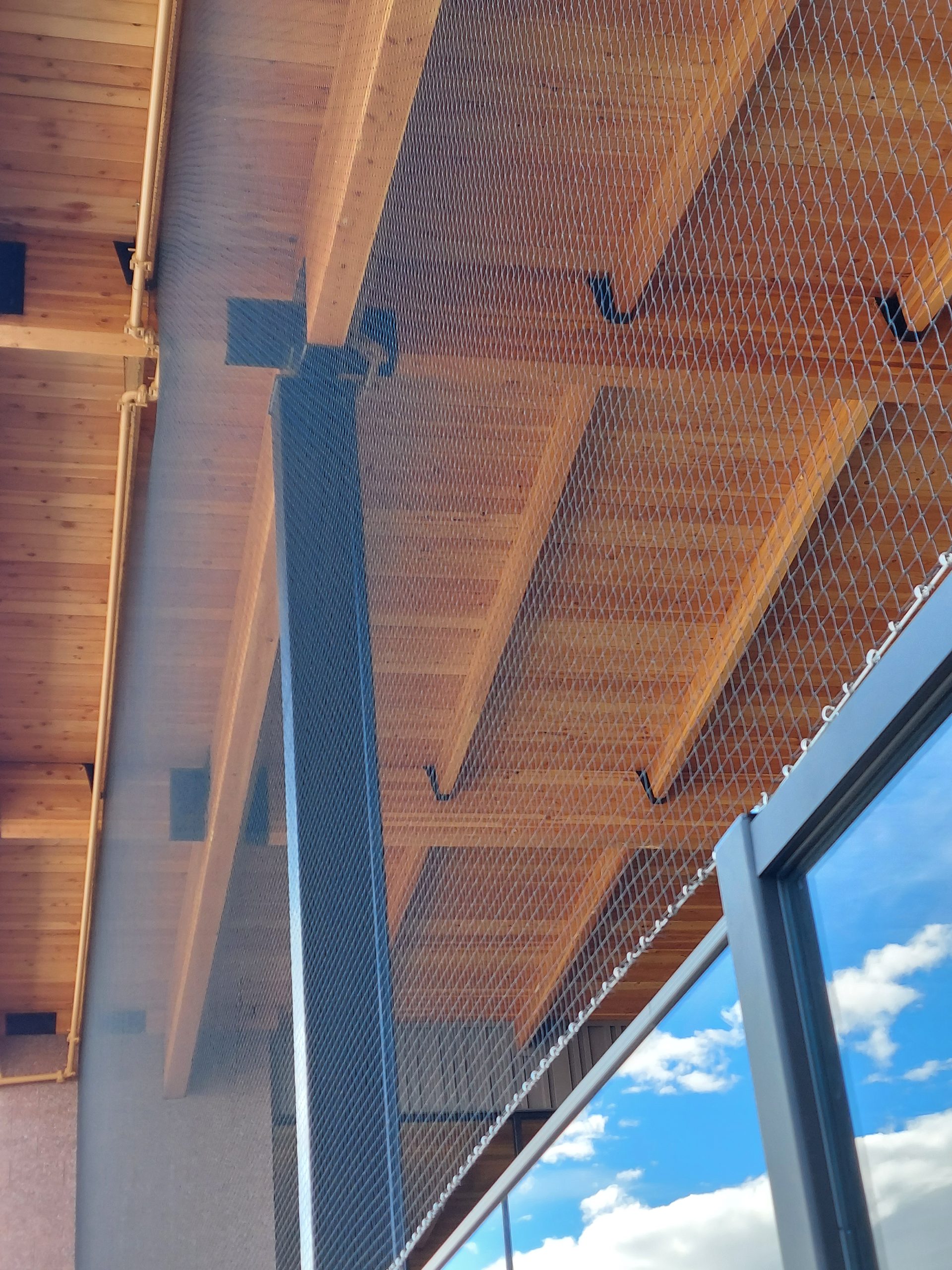
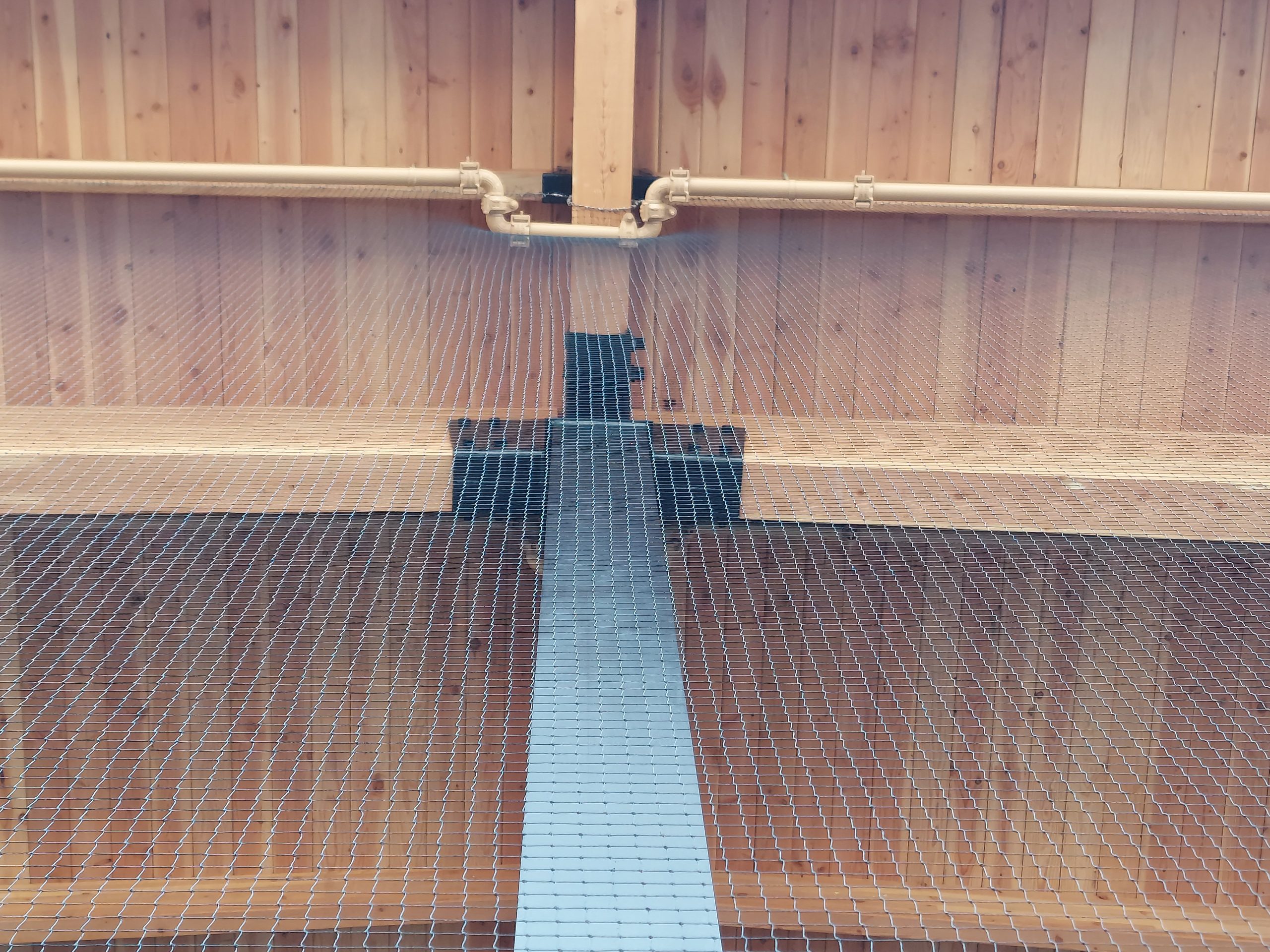
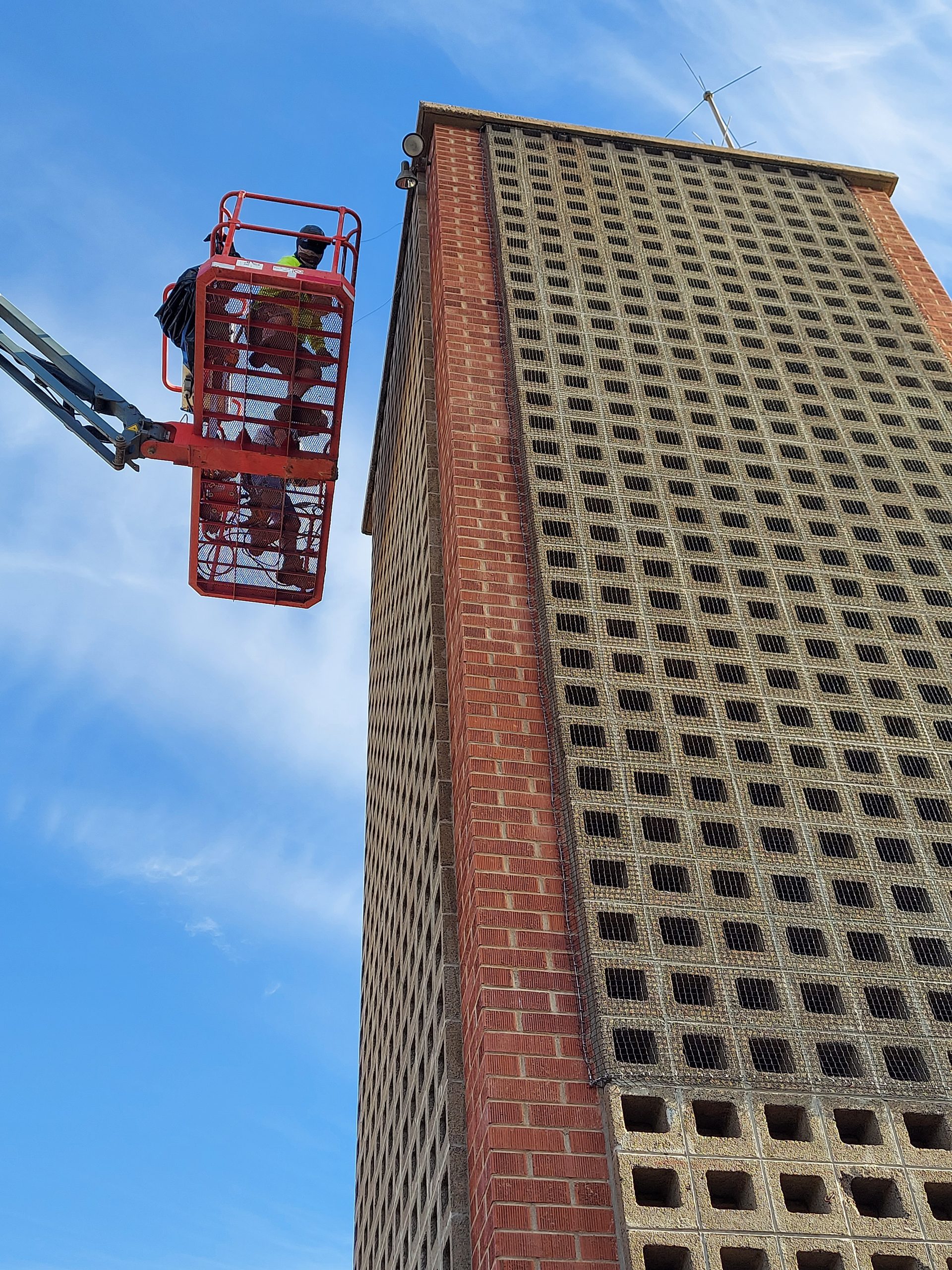
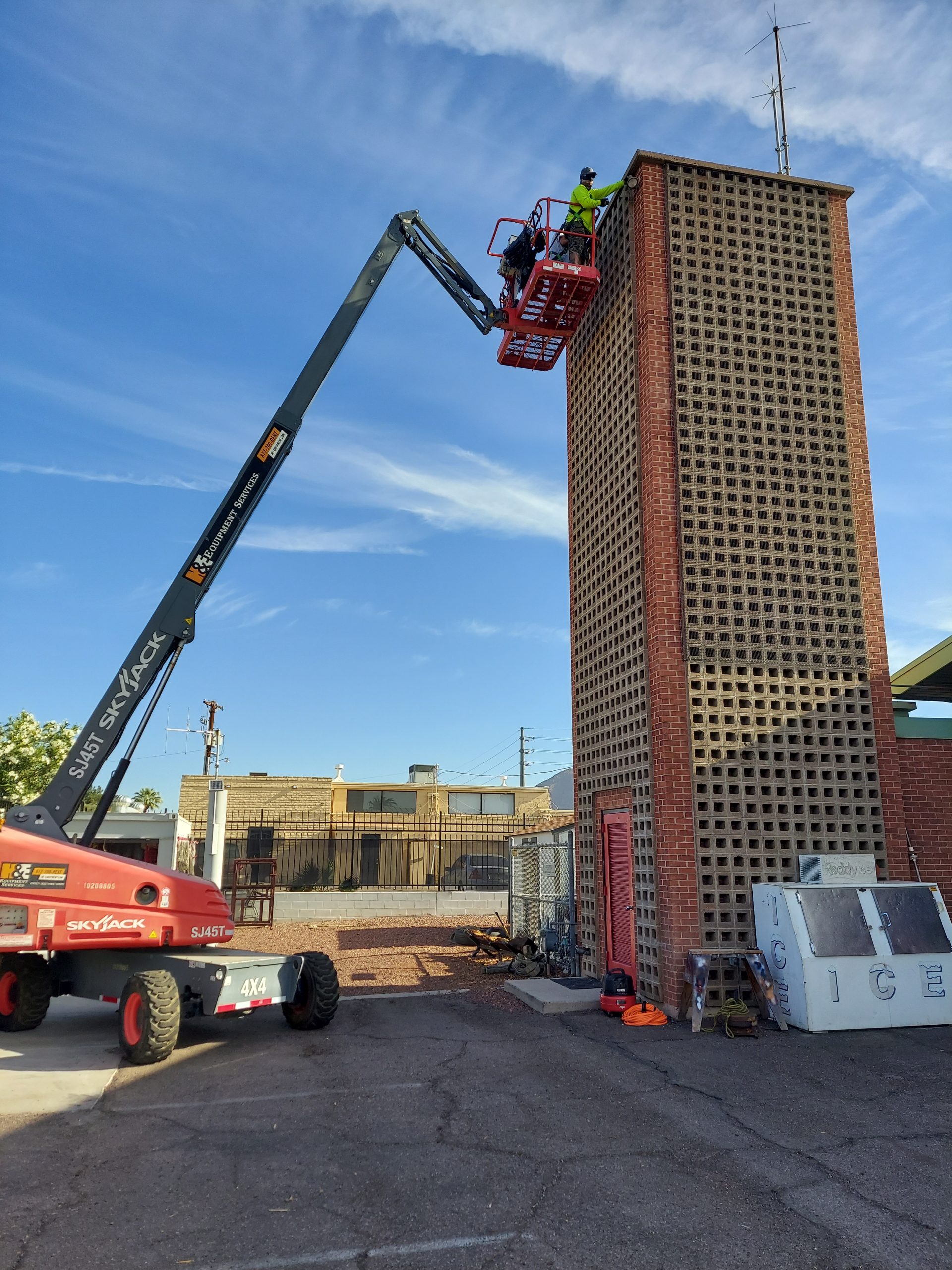
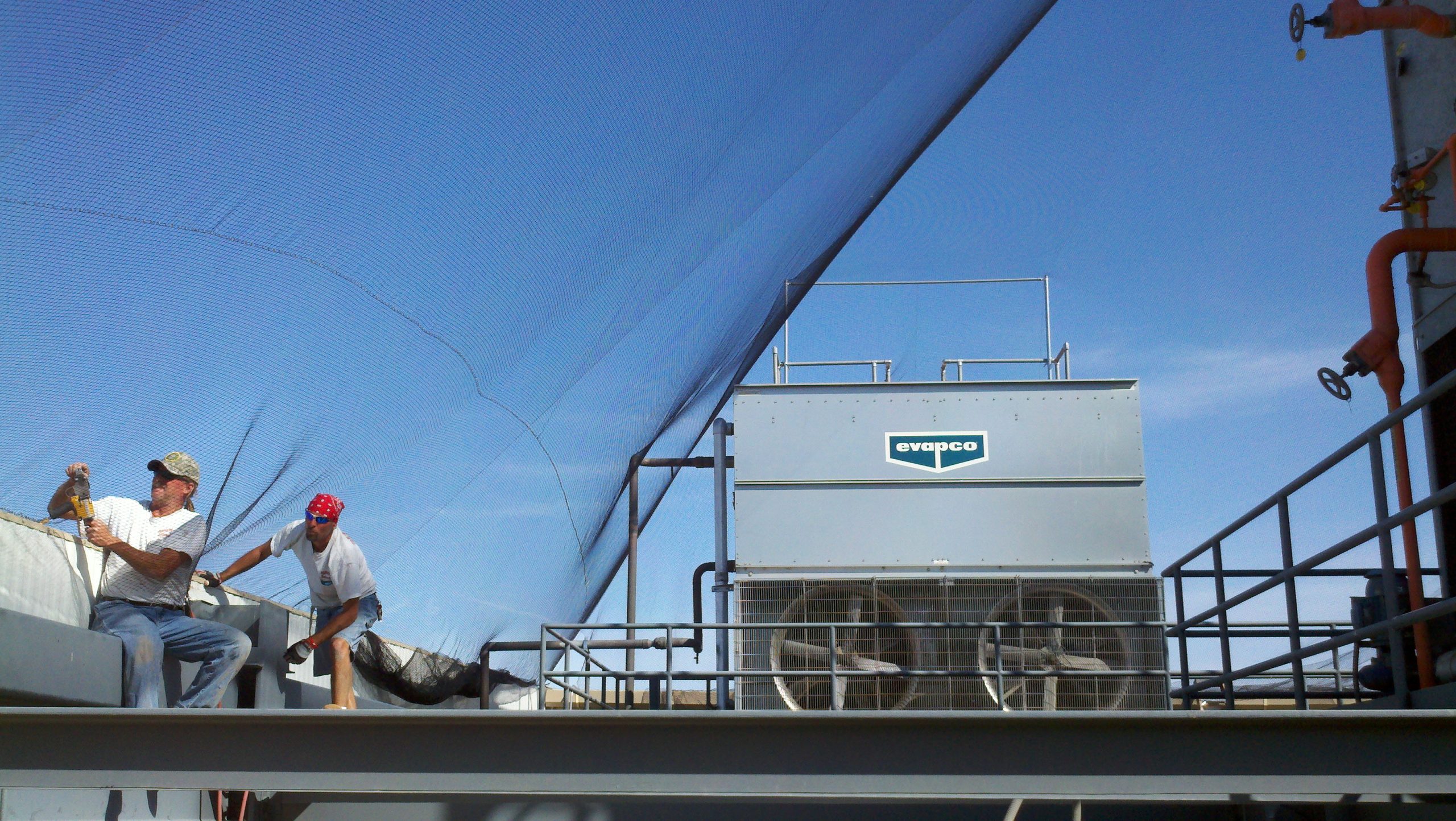
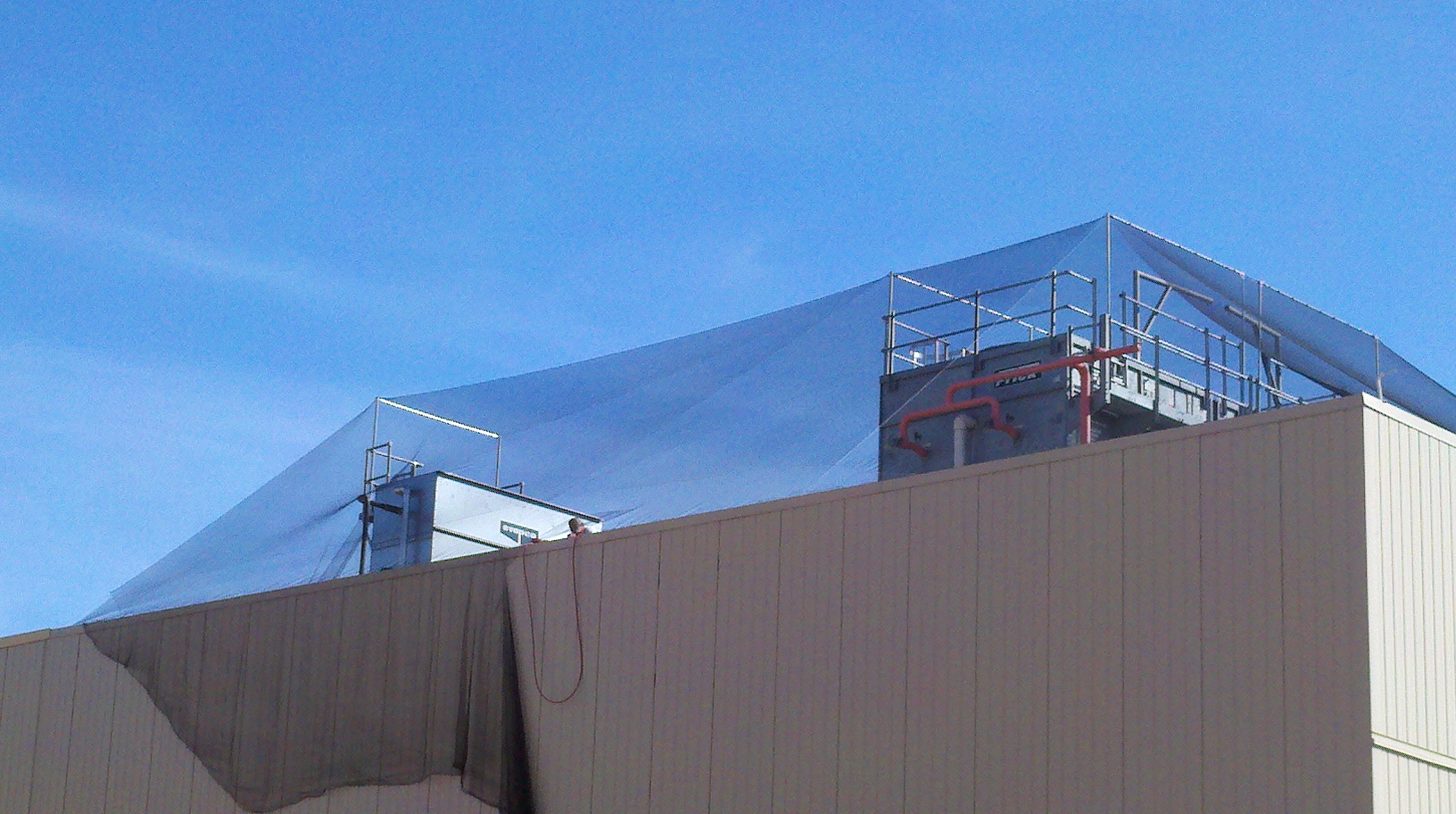
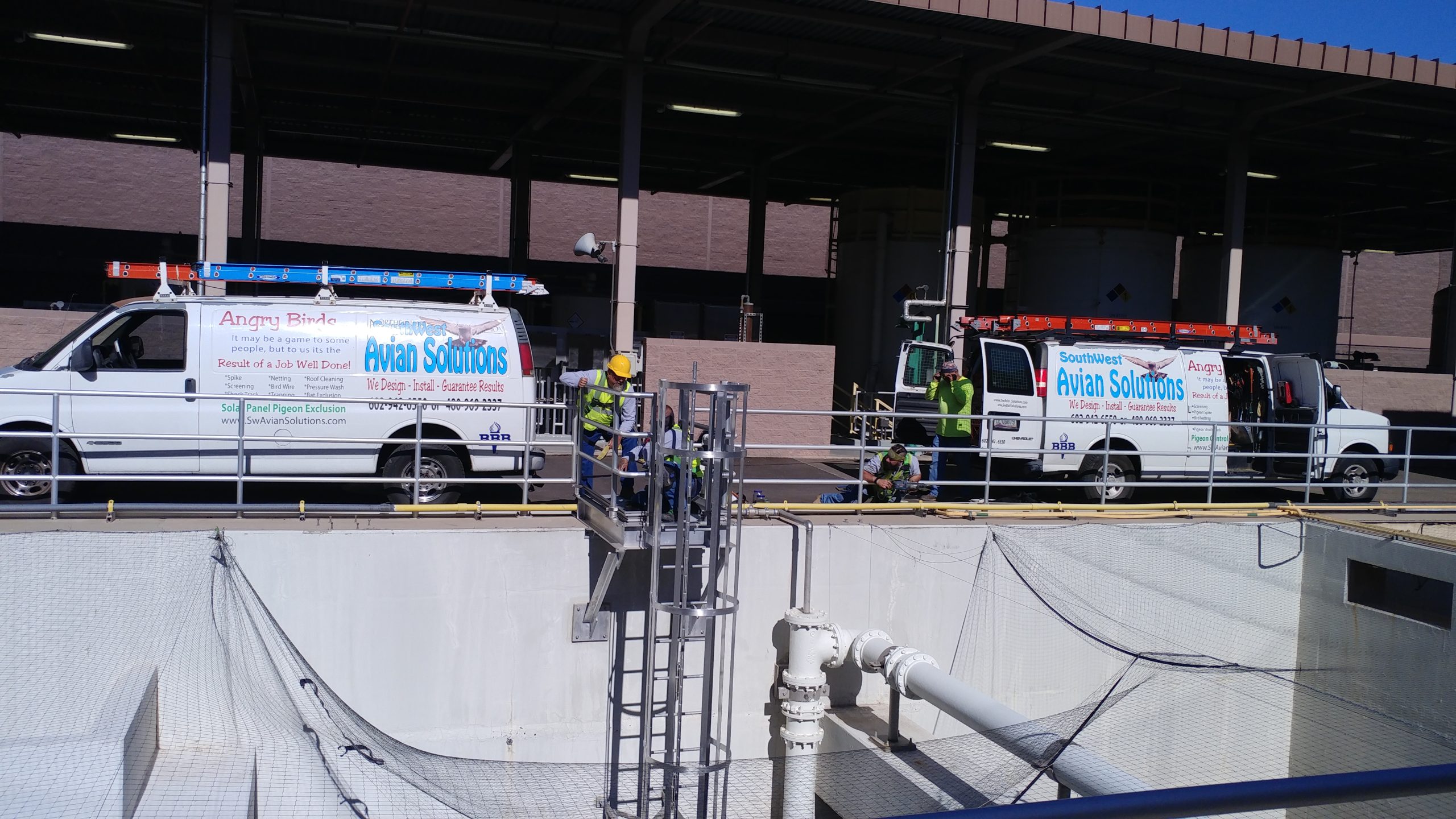
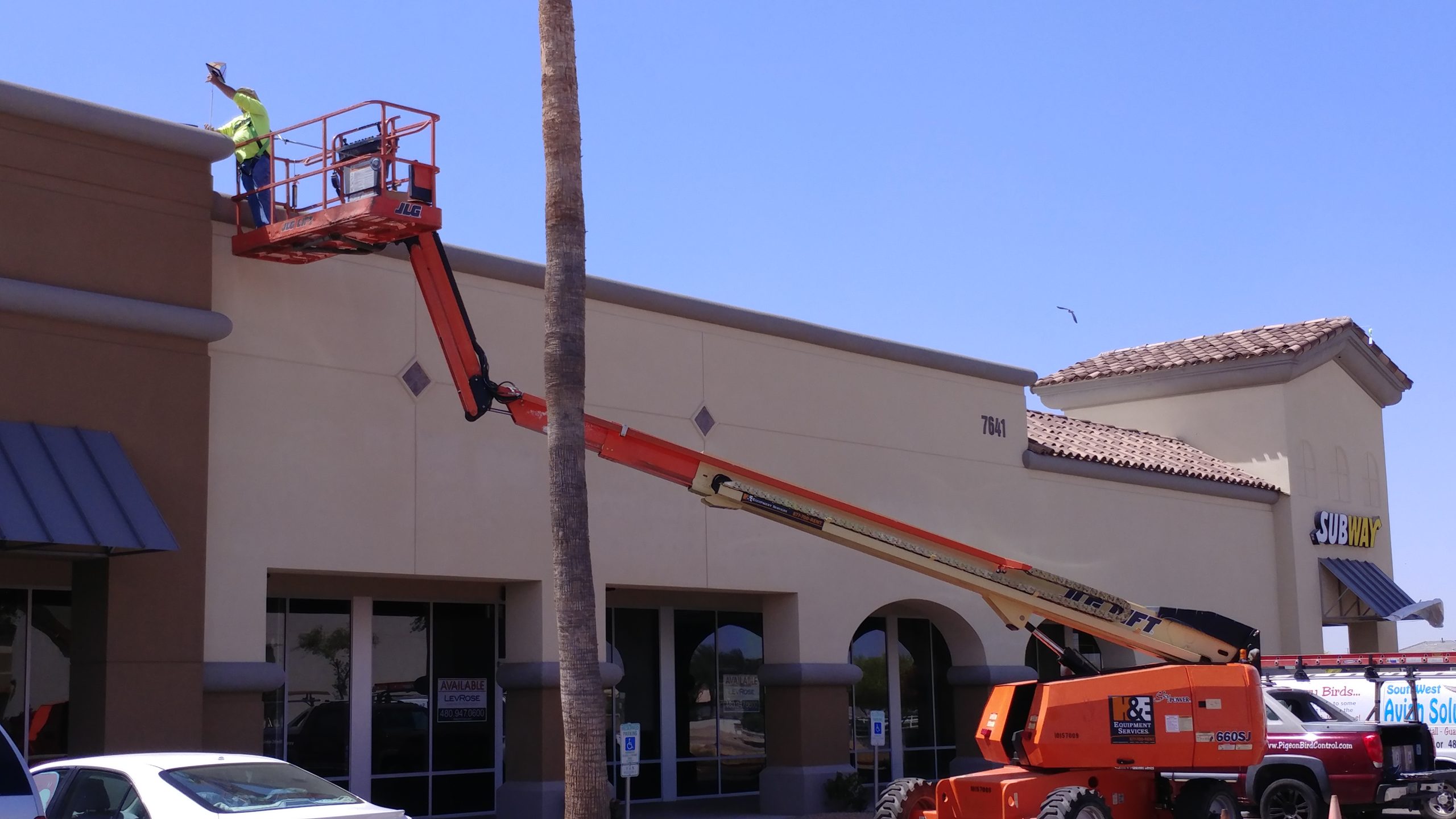
For 20 plus years Southwest Avian Solutions has provided that to over 18,500 residential, commercial, city and state projects in the highly specialized trade of bird control that involves planning, preparation, fall protection training and a skill set that most pest control companies or handyman services that do a little residential bird control or pigeon control have no idea how to provide for a commercial project that may take an installer a week or a crew of installers many months to complete using many different products like bird spike, bird exclusion netting, shock track, FlockOff deterrents or even optical gel.
Over the past 20 plus years our commercial pigeon exclusion and bird control work has included;
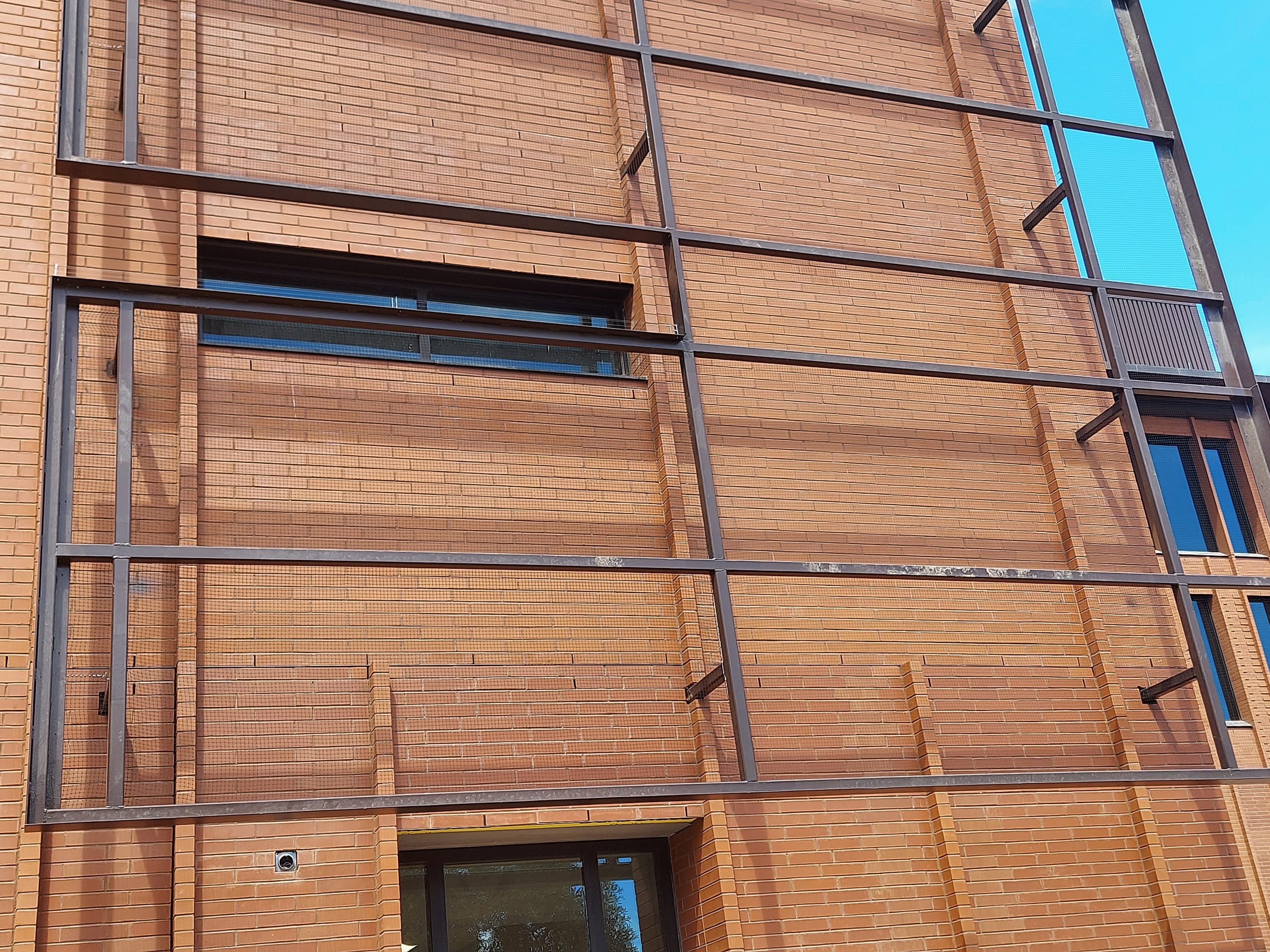
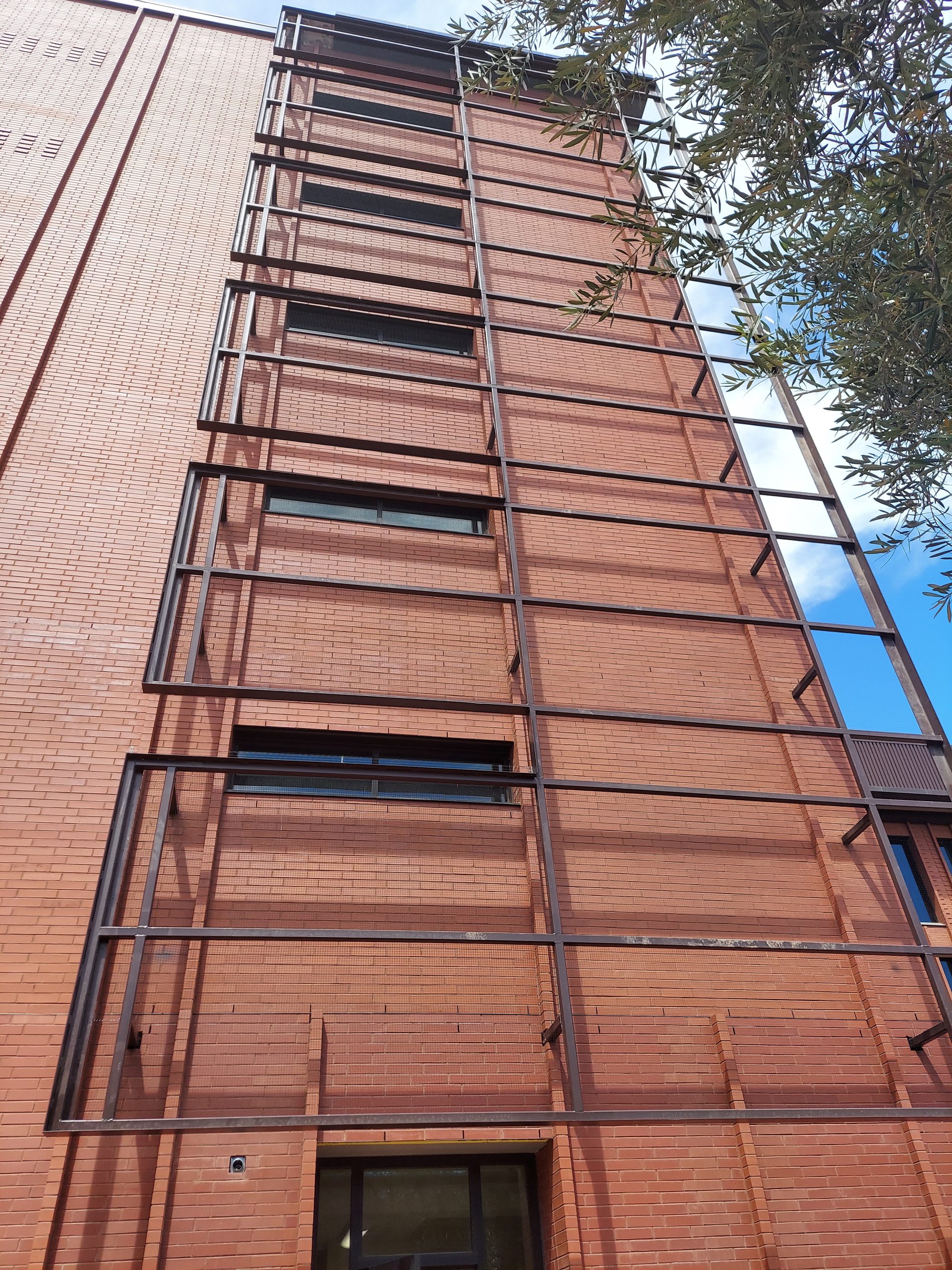
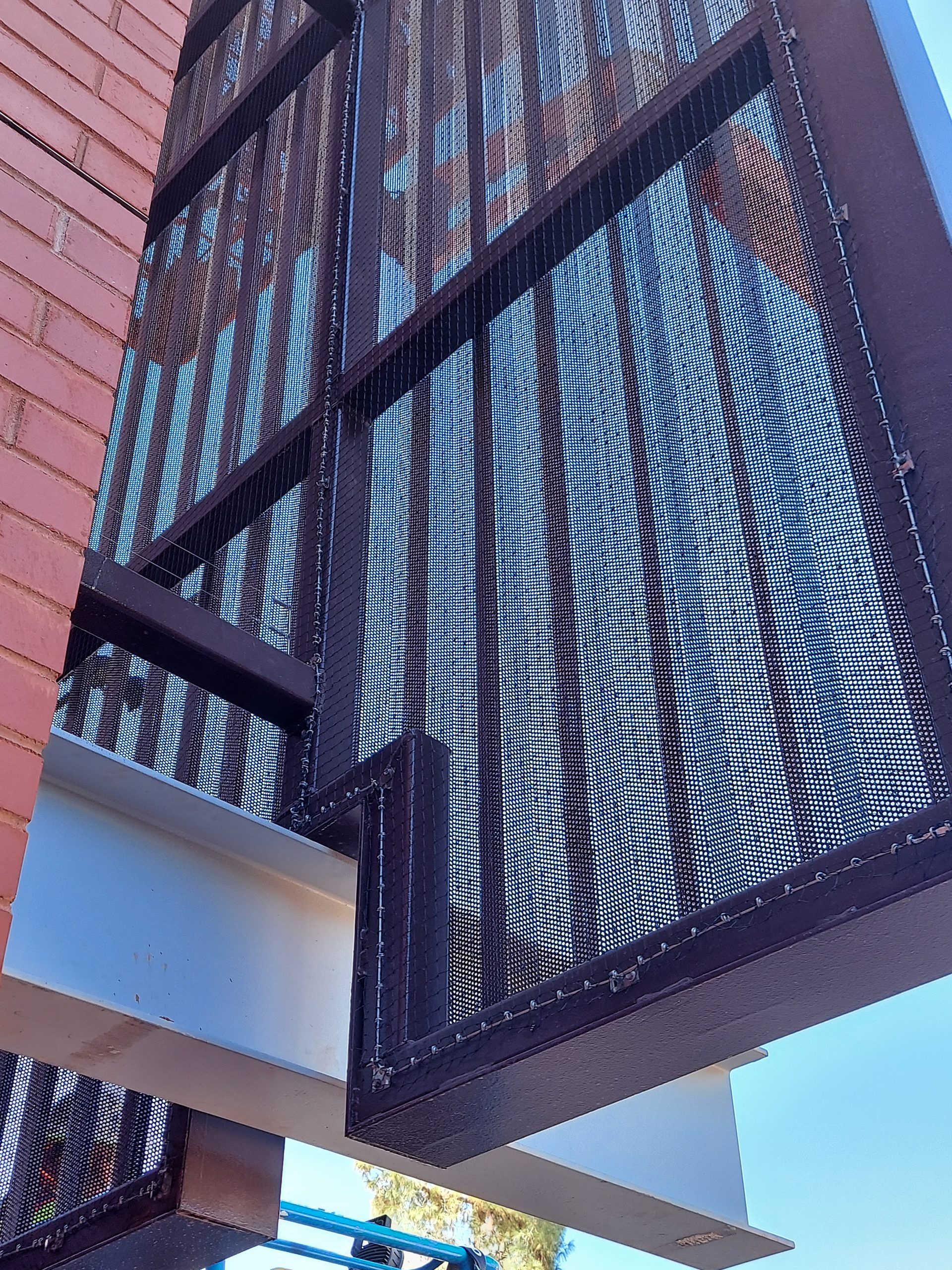
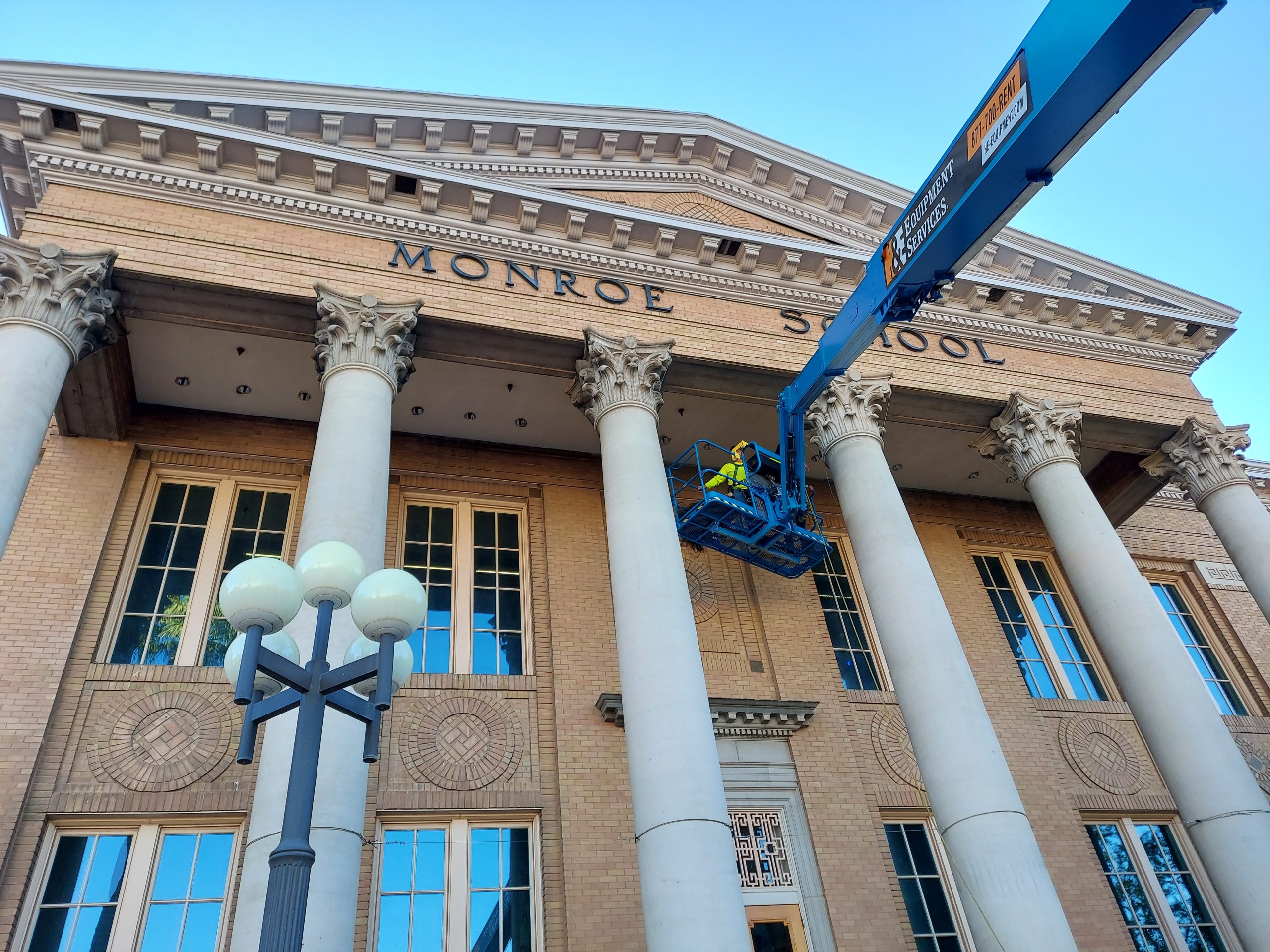
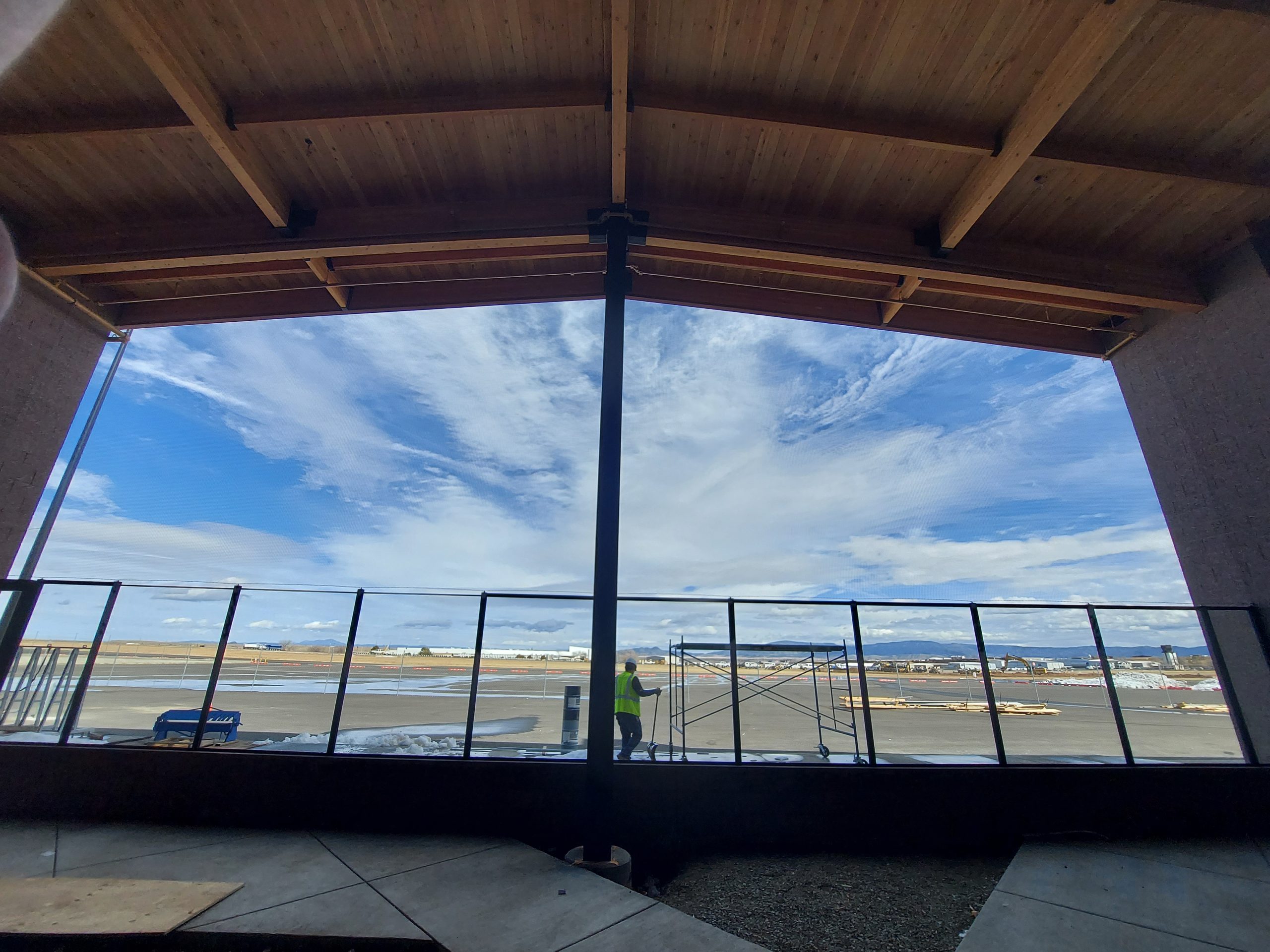
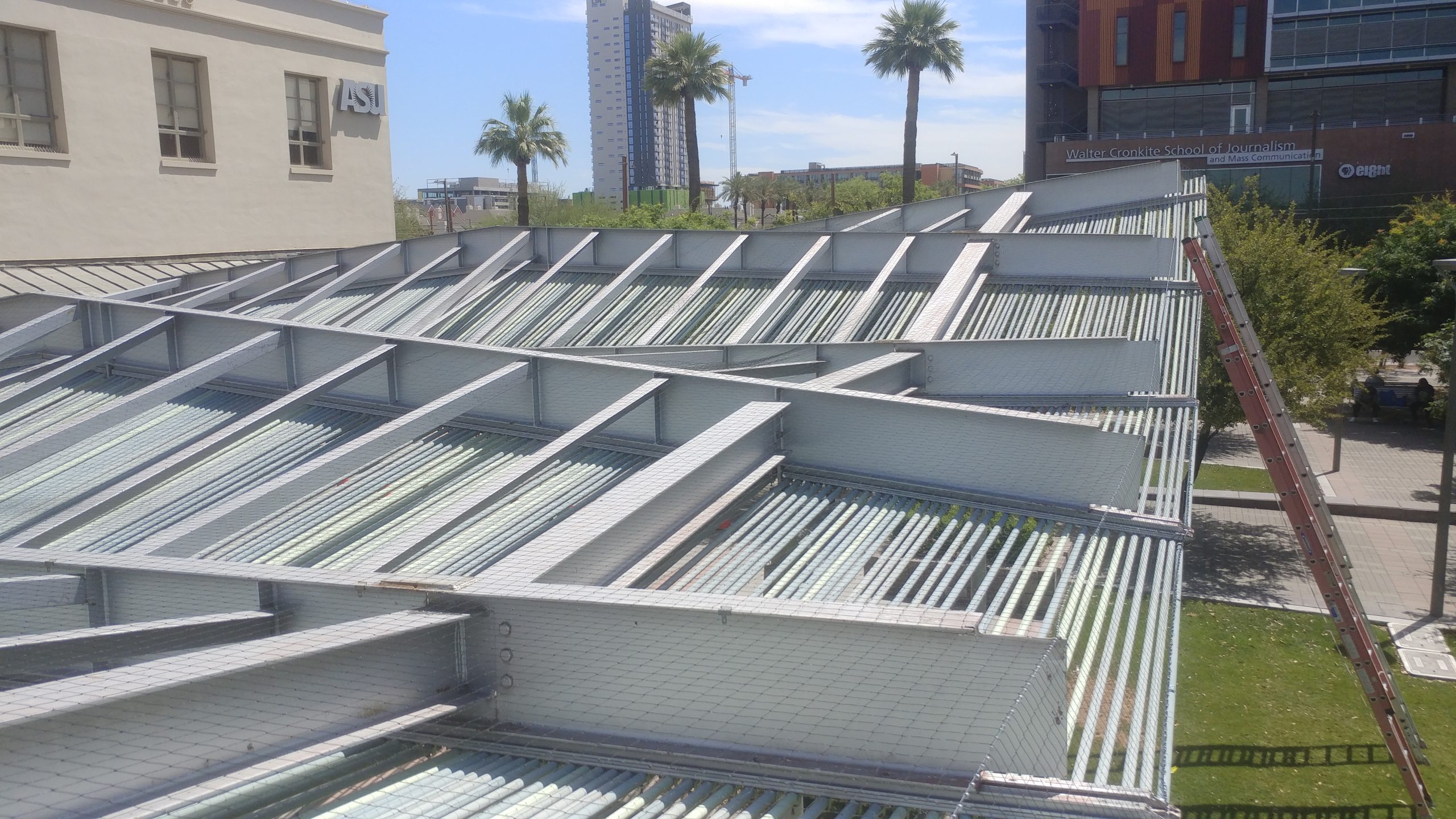
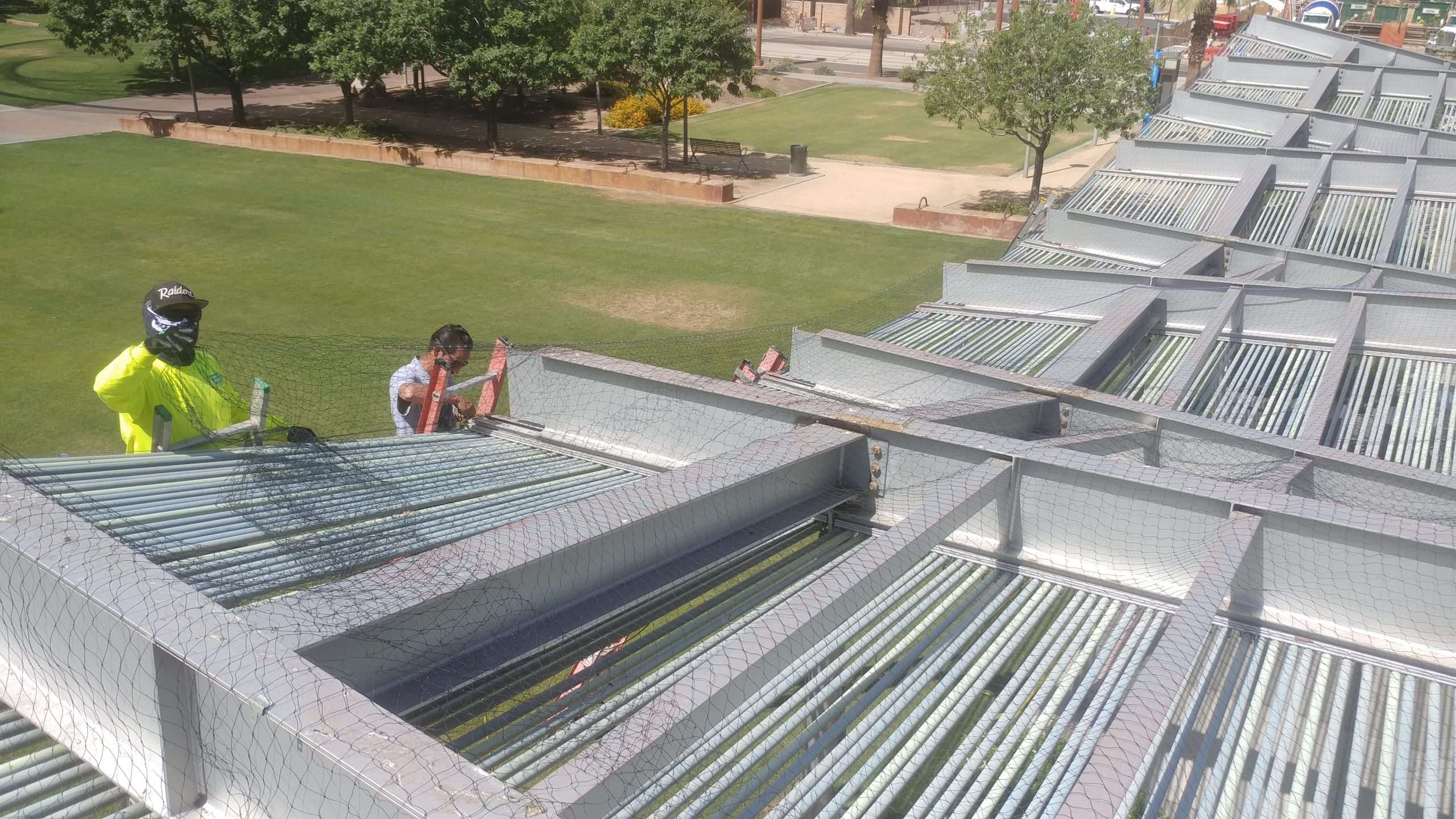
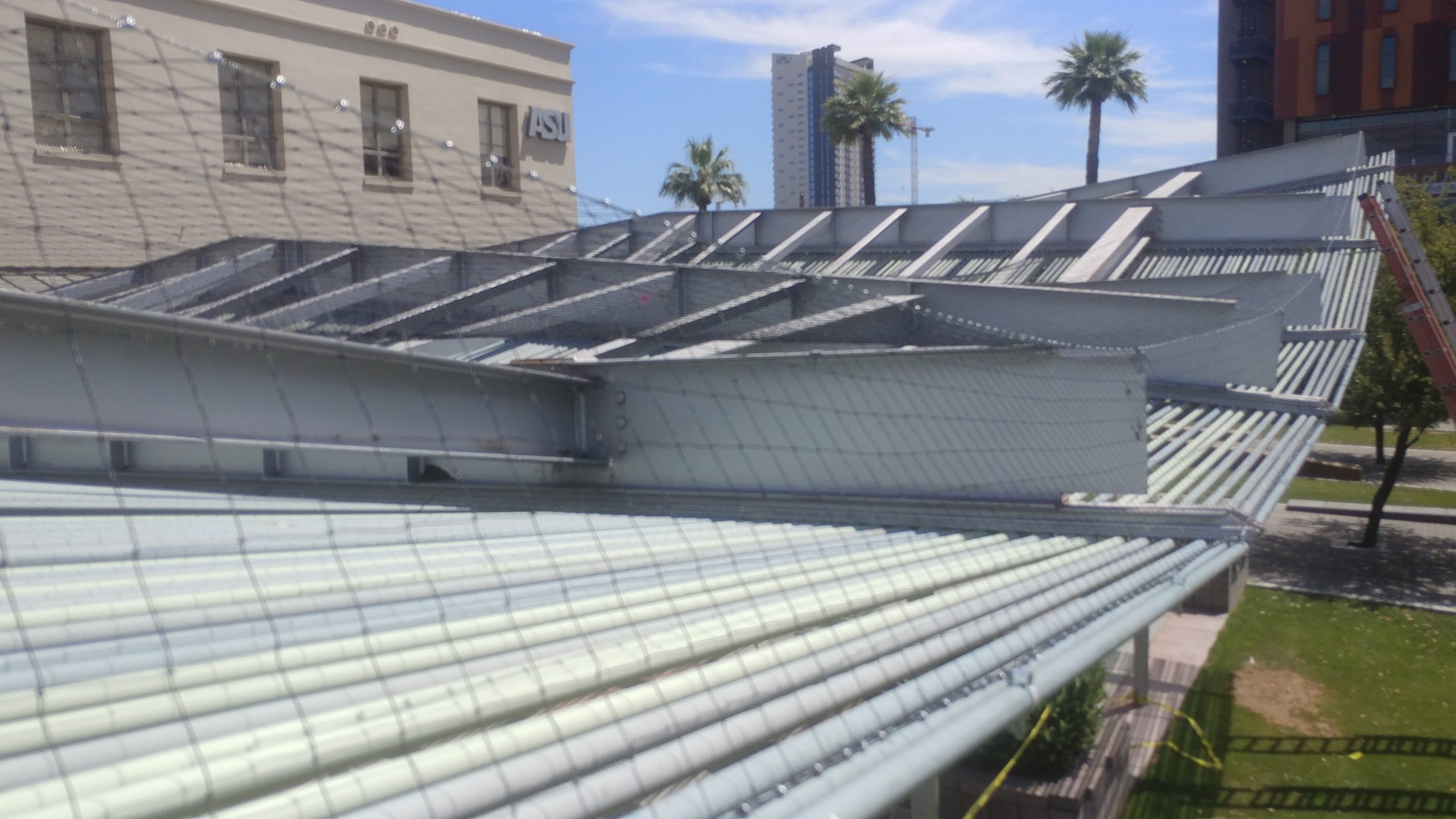
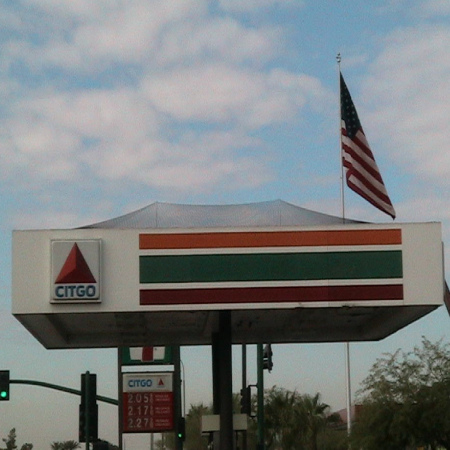
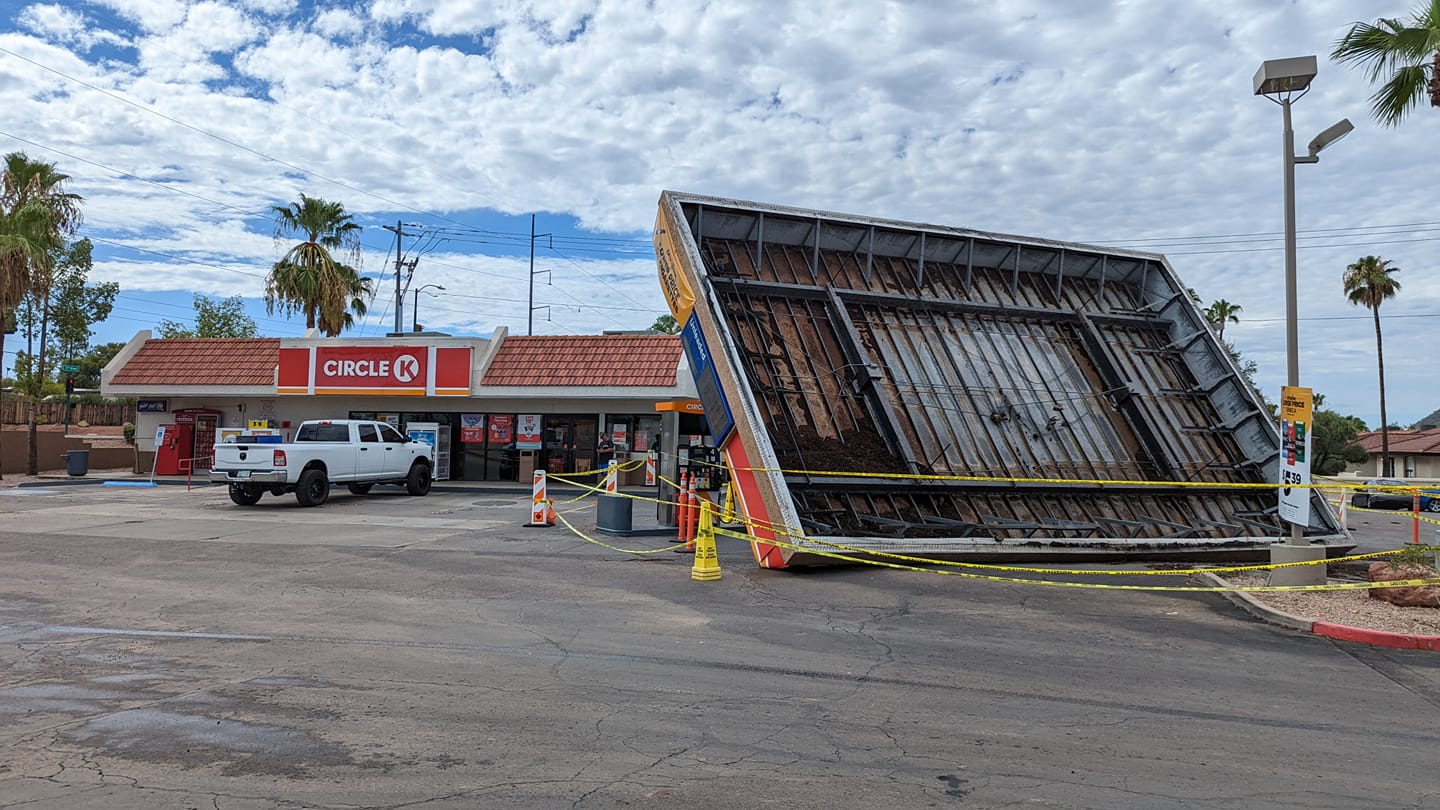
Casinos, water treatment plants, solar panel parking canopies, multi story parking garages, gas station canopies, multi story commercial offices, bus depots, commercial solar panel arrays, freeway underpasses, retention ponds, hangars, high rise buildings, restaurants, Art projects, Museums, amusement parks, baseball stadiums and many other different and unusual structures that had a pest bird problem.
Call us today at 602-942-6550 to schedule a consultation for your commercial property and see how we can help you send your pest birds pack’n.
- AZ. Department of Ag./ Office of Pest Management license # 5474 and insured since 1997.
- Better Business Bureau with A+ rated after 20 years as Arizona Wings N’ Stings and as SW Avian Solutions
- We Guarantee all our Workmanship, the Products and Materials we use – Check your quote for details.
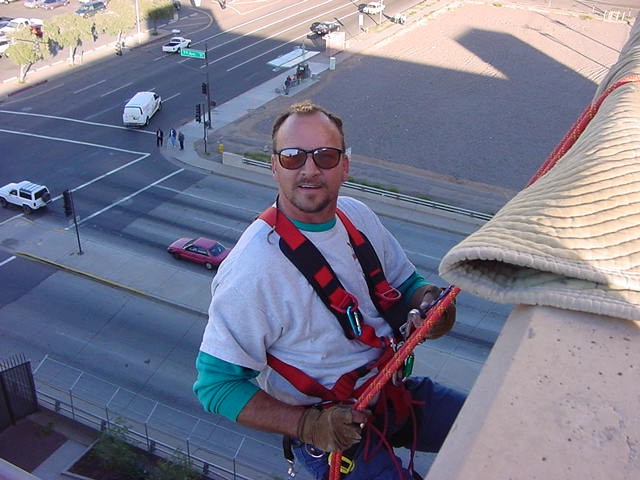
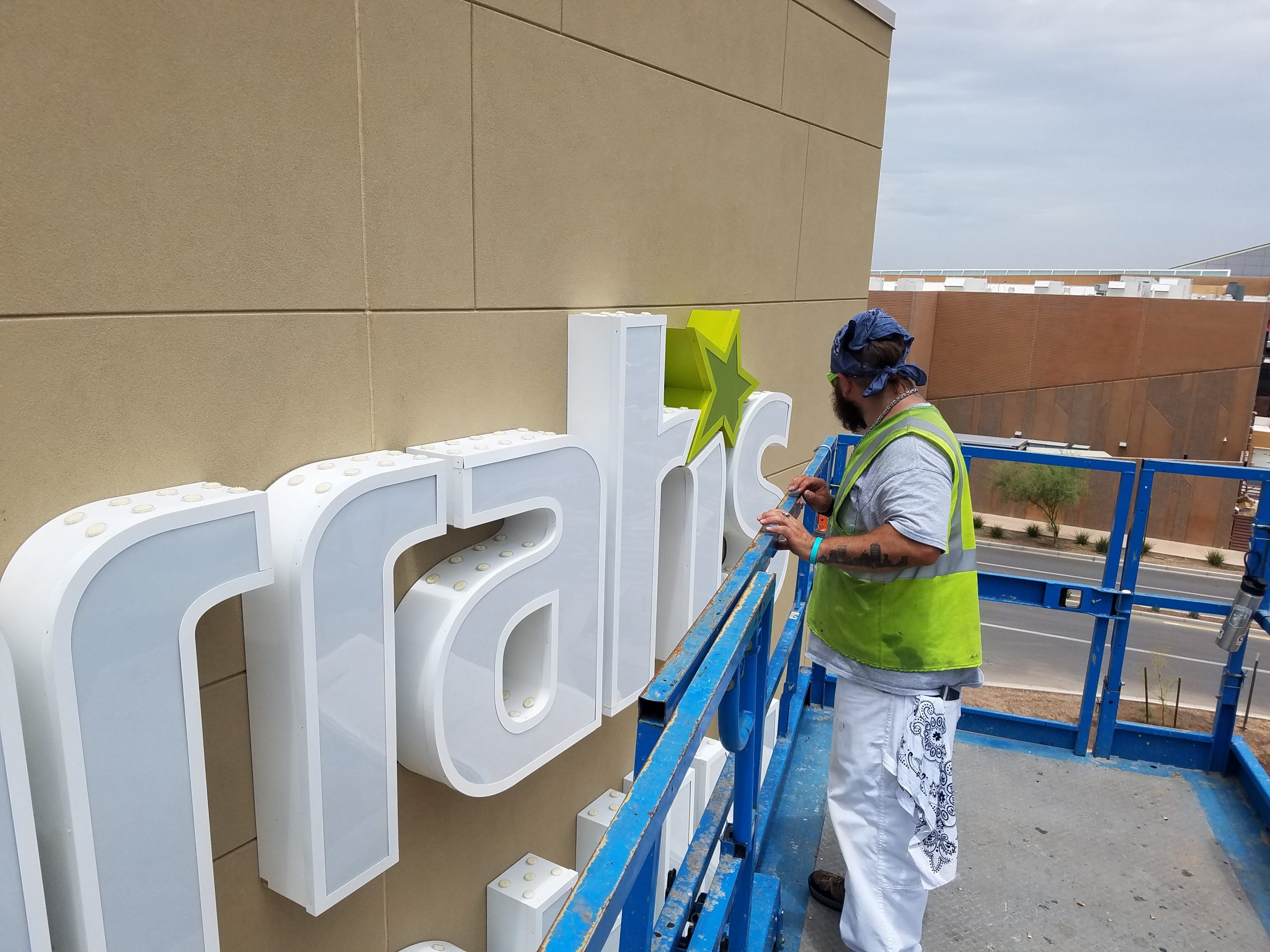
- Most all our installers are OSHA10 or OSHA30 hour trained and can use fall protection tie offs when working at height
- Most of our installers are certified or trained in residential roof top tie offs
- Most service installers are all Bird Barrier & Bird B Gone Certified in using the latest control methods and materials.
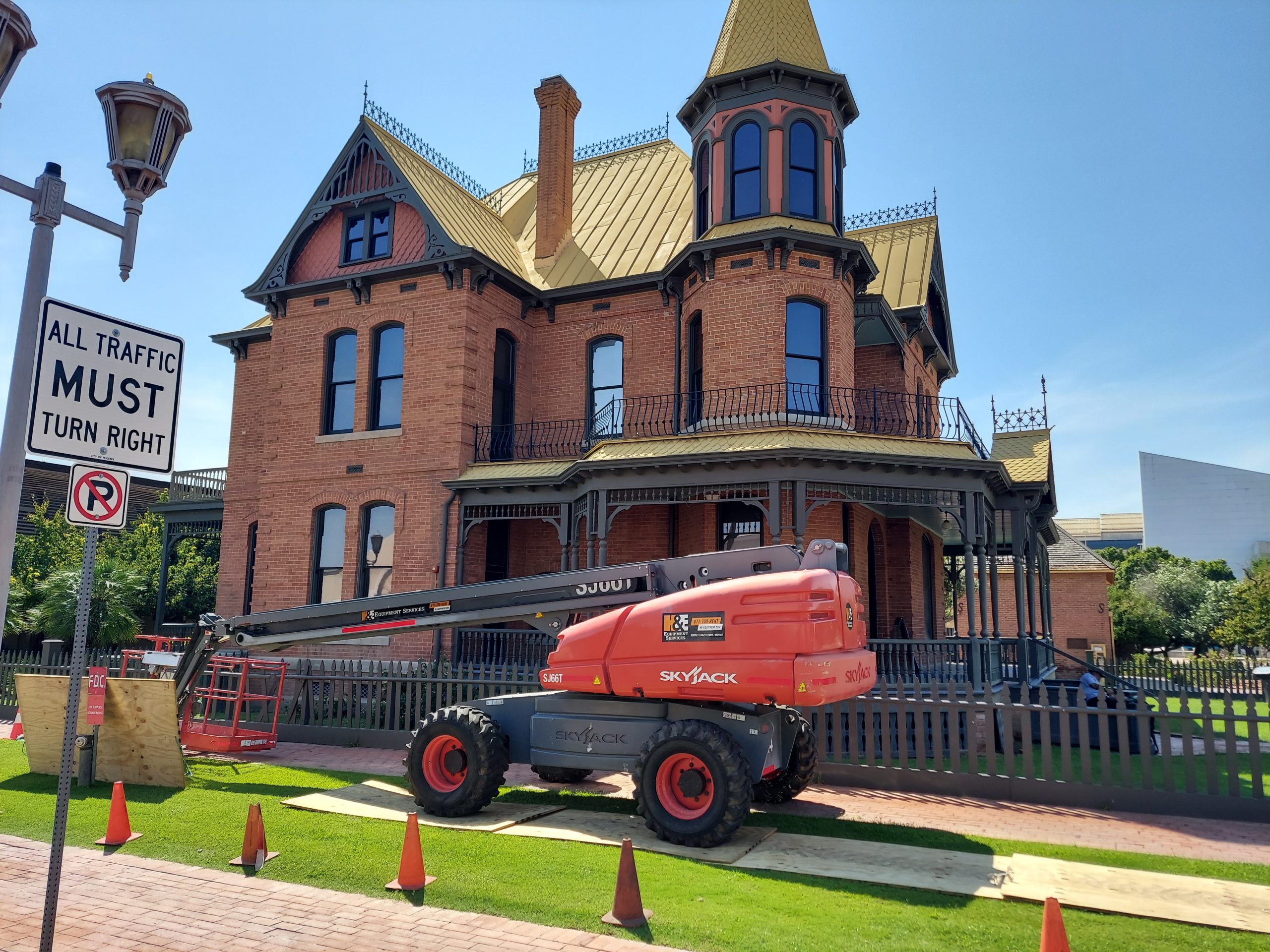
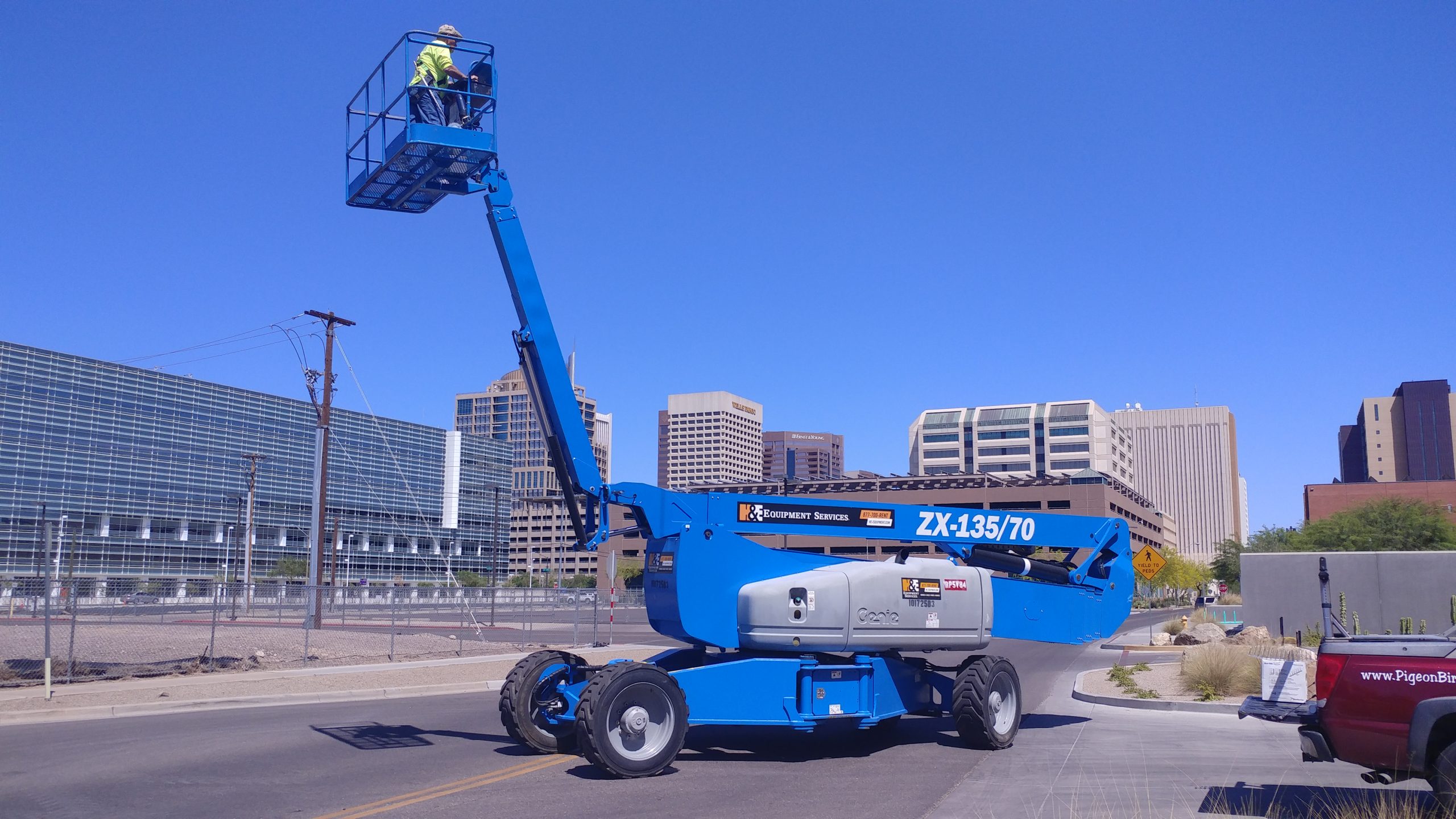
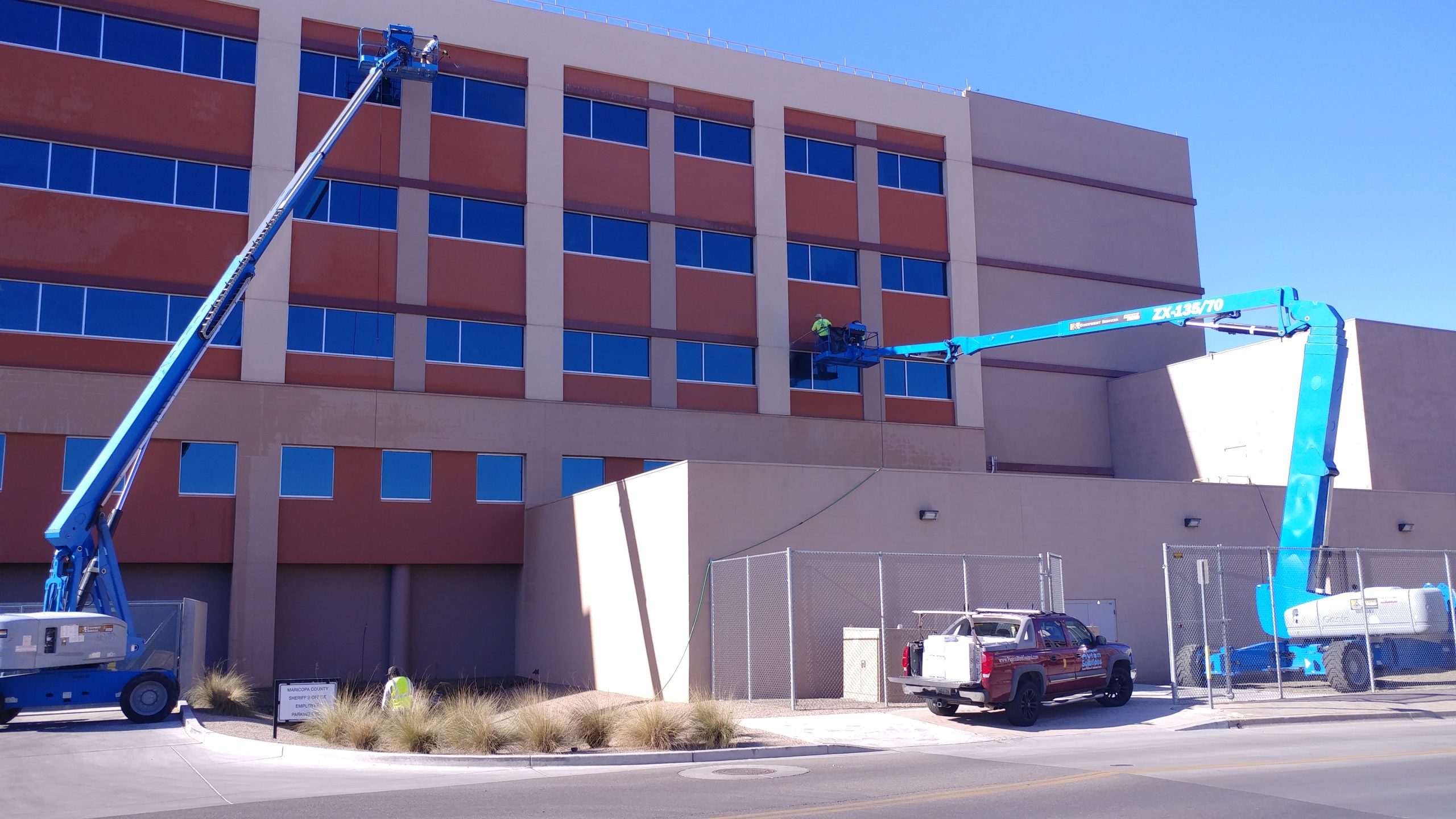
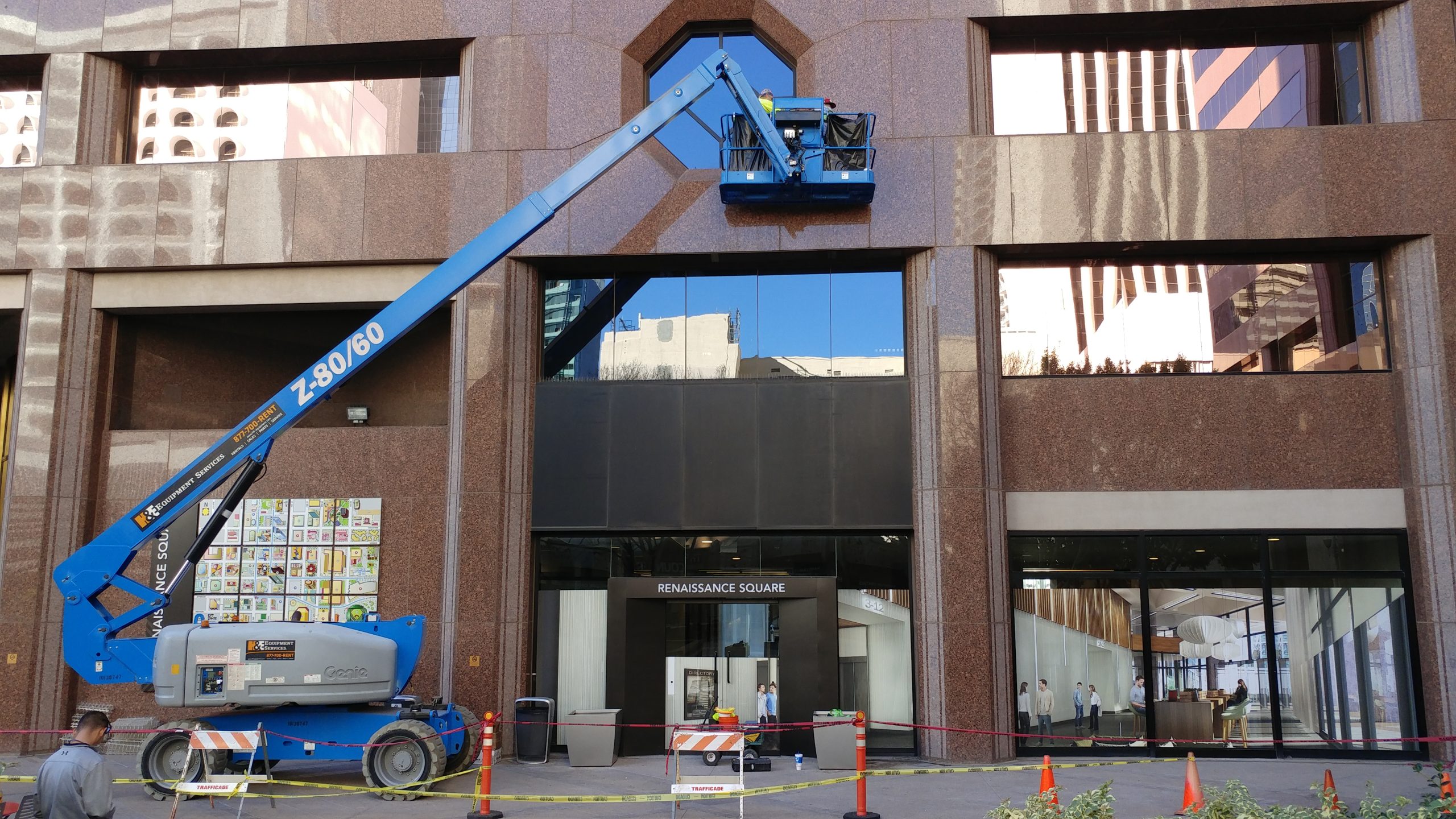
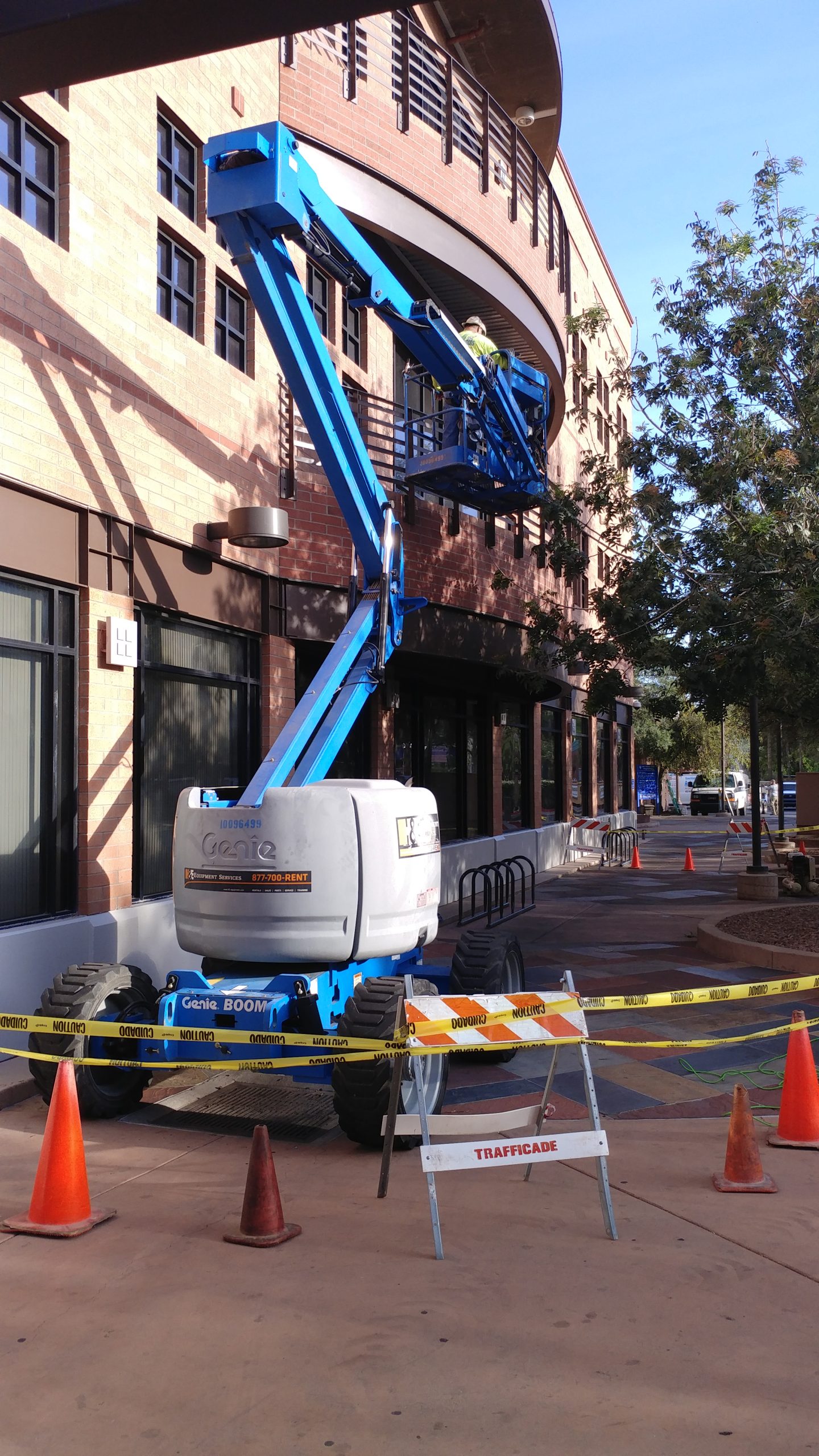
- Most of our personnel are certified and trained to use scissor lifts or high reach boom or bucket lifts.
- Owner is NWCOA Certified Basic Wildlife Control Operator trained.
- We are able to provide quotes from most architectural blue print take-offs and offer consulting services.
- Statewide commercial bird control services for most types of structures and business’s
- We have also sub-contracted to pest control companies to provide service to Las Vegas, Nevada and other southwest states for commercial bird control only.
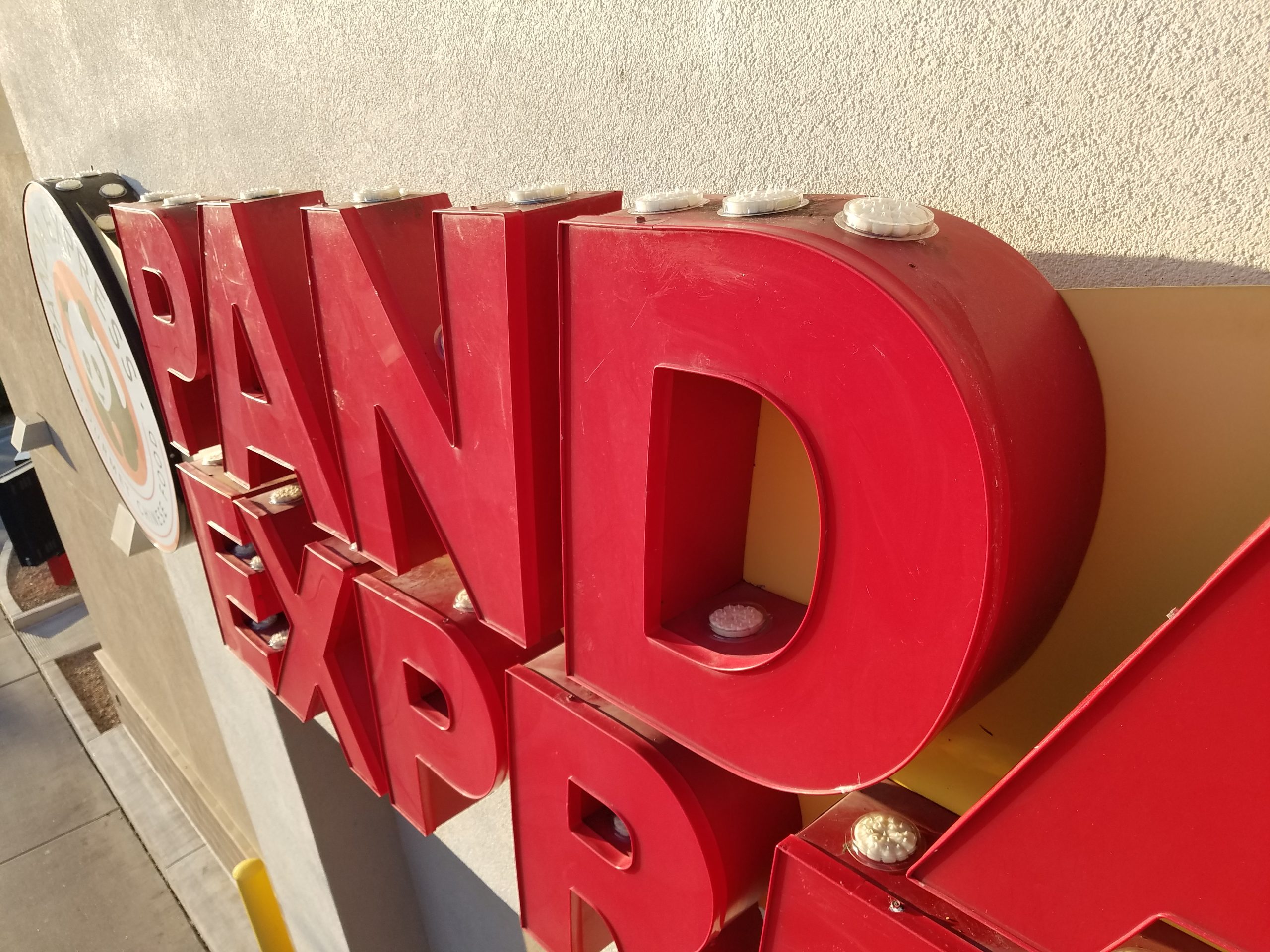
Installation of just about any bird deterrent or pigeon deterrent product on the market
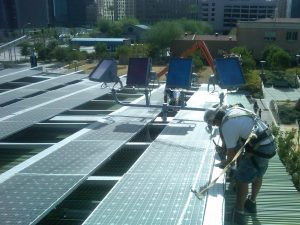
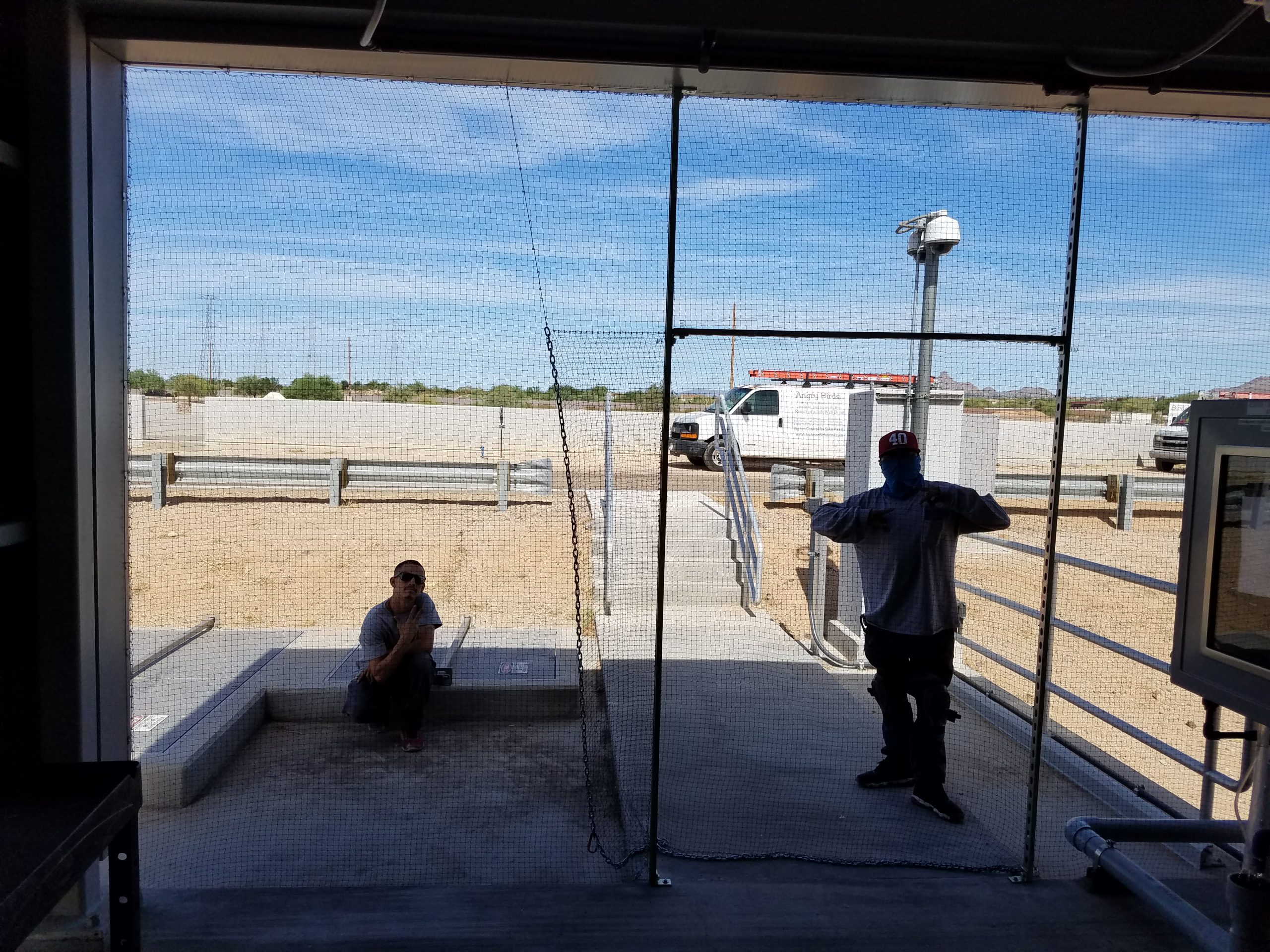
Commercial solar panel pigeon and bird exclusion screening or netting
OvoControl P – Automated birth control for pigeons
Bird control hazing systems for open air spaces, warehouses, and hangars



 The Turkey Vulture does not win any beauty contests. The birds’ shape and head look similar to a turkey, with a red head and dark body feathers.
 eaves of houses.
 units, roof line overhangs, solar panels or even wide window sills.