
Electromagnetic Bird Deterrents in Arizona
Flock Off Bird Deterrent System Flock Off is an electromagnetic revolutionary, high-tech, and humane solution to stop birds from landing on structures IMMEDIATELY AND PERMANENTLY! Product Details Works on virtually all types of birds is safe and highly-effective bird repelling system based on electromagnetic principles. Designed to protect surfaces from landing and nesting of […]
Pigeon Control Solutions for Parking Garage
Parking garages provide lots of great roosting and nesting sites. Pigeons have easy access to the ledges above the cars as well as roosting on pipes or ledges where they create a mess down the side of the building or inside on the ground where people park or walk. Most garages are multi story and […]
Do Plastic Owls Scare Pigeons?
Can a plastic owl on your roof scare your pigeons away? With 30 years of pigeon proofing services under my belt, If you ask me the answer is ….. But lets look at the reality of this simple question and work through what would be the real life reality to a plastic owl on your […]
Arizona Pigeon Deterrent Services
Bird or Pigeon Deterrent Services Over the years pigeons have become a growing problem throughout Metro Phoenix and many other Arizona cities like Mesa, Tempe, Surprise, Glendale, Tucson and the City of Maricopa just to name to few. In these growing urban areas pigeons can flock together in large numbers with little to no […]
Pest Bird Netting
Pest Bird Netting Information Below is some basic FYI information on Bird Control Netting that most people are not aware of. Southwest Avian Solutions has been installing bird netting on commercial and residential structures since 1997 and we have complete thousands of very large and lots of small projects as well using bird netting to […]
Pigeon Birth Control with OvoControl P
OvoControl P is a product that has been on the market since the mid 1950’s and has proven very effective in reducing resident pigeon populations by up to 80% of more. You could have 400 pigeons in 2 years if left unchecked Pigeons breed rapidly and are capable of producing up to six clutches annually. […]

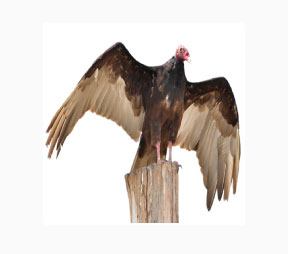 The Turkey Vulture does not win any beauty contests. The birds’ shape and head look similar to a turkey, with a red head and dark body feathers.
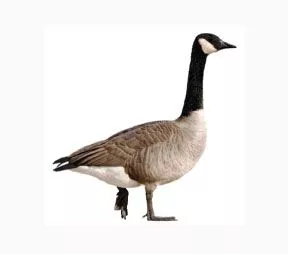 By definition, Canadian Geese are not classified as pest birds and are afforded protection by federal and state agencies. Nonetheless, Canadian Geese are increasingly becoming the scourge of suburbia as their numbers have grown in the past decade from only a few thousand to hundreds of thousands of these birds.
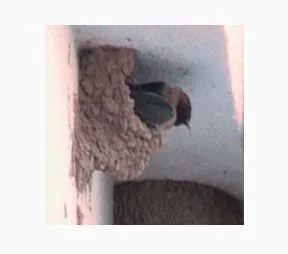 These sleek little birds are well known for their long migration and nesting habits. Cliff and Barn Swallows spend their winters in South America and summers in North America. They arrive around March in the southern part of the country, reaching the northern states in April. Swallows are very territorial and will always come back to the same nesting site. Swallows have made a very successful switch from cliffs and caves to man made structures for placement of their mud pellet nests.
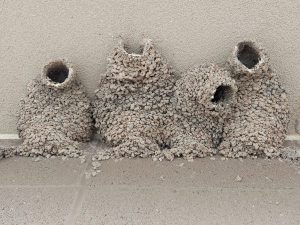 from the bird colony along with collecting on the ground. Homeowners have also reported problems with parasites entering the house through building cracks next to the nests which poses a potential health risk to humans and animals.
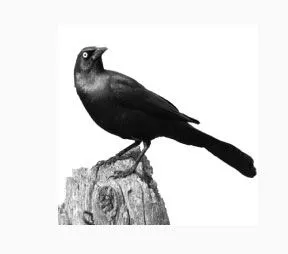 Grackles are boisterous, abundant members of the Troupial Family. The common grackle has a green,blue, or purple iridescent tinted black plumage with a glossy purplish head, neck, and breast with the female of the species, slightly smaller and duller colored.
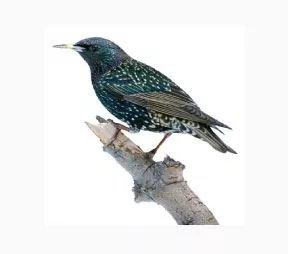 Like the House Sparrow, the Starling was introduced from Europe in the 19th century. However, it did not spread as fast and only reached the western coast within the last few decades.
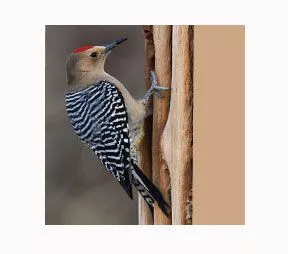 Woodpeckers primarily feed on wood-boring insects using their strong beak and long tongue to dislodge food. Some members of the Woodpecker Family (Flickers) feed on insects of the ground, while others prefer native berries, fruits, and nuts.
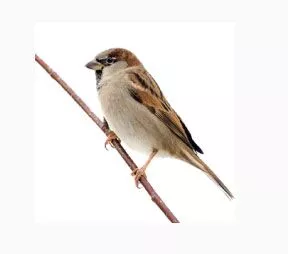 The House Sparrow is the number two urban pest bird. Introduced as a species to North America, the house sparrow quickly spread across the country due to its lack of natural enemies and its adaptive traits. Its ability to nest in urban structures, eat urban scraps, and a large breeding capacity are some of these adaptive traits.
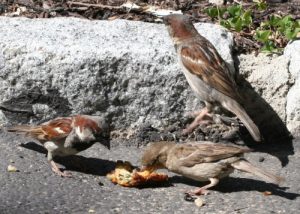 eaves of houses.
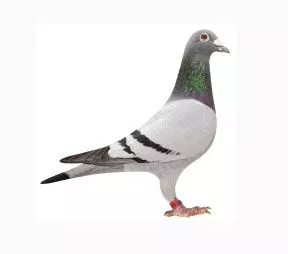 Feral Pigeons (Columbia Livia) are the number one urban pest bird, causing damage where ever they nest or roost. Pigeons are descendants of domesticated European Homing Pigeons or Rock Doves, so they have a varied diet and feel at ease making their homes in man-made structures, they also lay 2 – 3 eggs every 3 or 4 months all year long in Arizona.
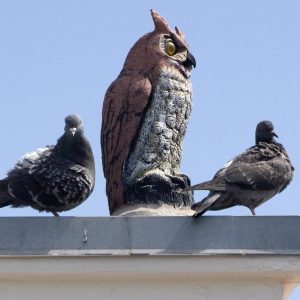 units, roof line overhangs, solar panels or even wide window sills.