
How Monsoon Season and Wildlife Impact Solar Efficiency and What You Can Do
How Monsoon Season and Wildlife Impact Solar Efficiency and What You Can Do
Solar energy is a great investment for homeowners in Phoenix. With year-round sunshine and high energy costs, solar panels can save thousands of dollars while reducing environmental impact. However, two factors in Arizona can affect solar panel performance more than many homeowners realize: monsoon season and local wildlife.
When heavy rains, high winds, and dust storms combine with nesting birds or curious rodents, solar panels can lose efficiency, suffer damage, and require expensive maintenance. In this article, we will explore how monsoon season and wildlife affect solar panels and what proactive steps you can take to keep your solar system operating at peak performance.
How Monsoon Season in Phoenix Affects Solar Panels
Arizona’s monsoon season typically runs from June through September, bringing intense thunderstorms, powerful winds, heavy rainfall, and blowing dust. While solar panels are designed to withstand extreme weather, the conditions during monsoon season present unique challenges.
- Dust and Debris Accumulation
Before monsoon storms arrive, the desert heat and wind kick up a lot of dust. This dust settles on solar panels, blocking sunlight and reducing energy production. Studies have shown that even a thin layer of dust can cut solar efficiency by 10–20 percent or more. - Heavy Rain and Mud Spots
Although rain can wash away some dust, it often leaves behind mud spots or streaks that block sunlight. Hard water in Arizona can also leave mineral deposits on the panels, creating additional cleaning challenges. - High Winds and Flying Debris
Strong monsoon winds can knock branches, leaves, and other debris onto rooftops. If debris lodges under panels, it may create shade or trap moisture, potentially damaging wiring or mounting structures. - Hail and Physical Damage
While rare, hailstorms can crack or chip solar panels. Even minor damage can compromise efficiency or allow moisture to penetrate the system.
How Wildlife Impacts Solar Panel Performance
In addition to weather, local wildlife in Phoenix can create serious problems for solar panel systems. Birds, rodents, and insects often view rooftop solar arrays as convenient shelter or nesting sites.
Birds and Pigeons
- Pigeons frequently nest under solar panels, creating messes with droppings that corrode surfaces and reduce efficiency.
- Nests block airflow under panels, which can cause them to run hotter and operate less efficiently.
- Droppings also carry diseases and may clog gutters, causing drainage issues.
Rodents and Squirrels
- Rodents sometimes chew through wiring, leading to shorts or system shutdowns.
- Squirrels may nest in or around panel mounts, creating additional debris and mess.
Insects and Other Pests
- Wasps and bees occasionally build nests under solar panels, making maintenance dangerous.
- Accumulated organic matter attracts other pests that may cause further damage over time.
Together, wildlife and weather create a perfect storm during Arizona’s monsoon season for solar panel owners who do not take preventative measures.
Combined Impact on Solar Efficiency
When monsoon weather and wildlife problems occur together, solar panels can lose a significant amount of efficiency. Dust and droppings block sunlight, nests restrict airflow, and damaged wiring or equipment interruptions stop energy production altogether.
Even a small drop in efficiency adds up over time. For example:
- A 10 percent reduction in solar output due to dust and debris can cost hundreds of dollars per year in lost energy savings.
- A single damaged wire from rodents can shut down an entire panel string until repaired, reducing system output dramatically.
The longer these issues go unresolved, the more expensive repairs become and the more energy savings are lost.
What You Can Do to Protect Solar Panels
Homeowners in Phoenix can take several proactive steps to protect solar panels from both monsoon damage and wildlife problems.
- Install Solar Panel Critter Guards
Critter guards or mesh barriers around the edges of solar panels prevent birds, squirrels, and rodents from nesting underneath. These guards:
- Keep animals from chewing wires or creating nests.
- Allow proper airflow for cooling efficiency.
- Stop debris from getting trapped under panels.
Professional installation ensures the barriers fit securely and withstand Arizona weather.
- Schedule Regular Solar Panel Cleaning
Keeping panels clean is essential for maximum efficiency, especially in dusty environments like Phoenix. A professional cleaning service:
- Removes dust, droppings, and mineral deposits.
- Restores sunlight absorption for better energy output.
- Uses safe cleaning methods that protect panel warranties.
Many homeowners schedule cleaning after monsoon season or twice a year for consistent performance.
- Trim Nearby Trees and Remove Overhanging Branches
High winds often break tree limbs during monsoon storms. Trimming trees near your home:
- Reduces the risk of branches falling onto panels.
- Prevents birds from nesting above panels where droppings and debris can fall onto them.
- Limits shade that reduces solar efficiency.
- Inspect Solar Panels After Major Storms
After severe weather, visually check your solar panels for:
- Loose debris or nests around mounting areas.
- Signs of damage such as cracks, chips, or discoloration.
- Droppings or dirt accumulation that might require cleaning.
Quick inspections help you address problems before they lead to long-term damage or energy loss.
- Hire Professional Wildlife Control Services
For persistent bird or rodent problems, professional wildlife control specialists can:
- Safely remove nests, droppings, and pests.
- Install deterrents or barriers to prevent future infestations.
- Ensure solutions comply with local wildlife regulations.
Companies like Pigeon Control Phoenix specialize in solar panel protection, providing custom barriers and humane deterrents for Arizona homes.
Long-Term Benefits of Solar Panel Protection
Taking preventative measures not only keeps your solar panels clean and efficient but also provides other benefits:
- Improved Energy Savings: Clean, undamaged panels produce more electricity, reducing reliance on grid power.
- Lower Maintenance Costs: Preventing problems is cheaper than repairing damage after it occurs.
- Extended System Lifespan: Solar panels that remain clean, cool, and free of nesting materials last longer.
- Enhanced Property Value: Well-maintained solar systems add value to your home and attract buyers.
When to Call in the Experts
If you notice recurring nesting, frequent debris buildup, or reduced solar output after storms, it may be time to call in professionals. Experts can:
- Install durable bird-proofing barriers.
- Provide regular maintenance and cleaning services.
- Offer warranties on wildlife exclusion systems for long-term peace of mind.
Pigeon Control Phoenix has years of experience helping Arizona homeowners protect their solar panels from pigeons, rodents, and other wildlife. They provide customized solutions for monsoon season challenges and beyond.
Monsoon season and local wildlife both pose significant risks to solar panel efficiency in Phoenix. Dust, debris, nests, and animal activity can block sunlight, damage equipment, and reduce the energy savings you expect from your solar investment.
By installing critter guards, scheduling cleanings, trimming trees, and working with professional wildlife control services, you can protect your solar panels year-round. Proactive care not only preserves system efficiency but also prevents costly repairs and extends the lifespan of your solar energy system.
For expert help with solar panel bird-proofing or wildlife prevention, visit Pigeon Control Phoenix and learn how their services can keep your solar panels clean, efficient, and protected through monsoon season and beyond.

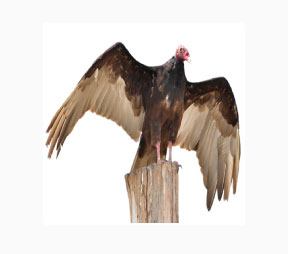 The Turkey Vulture does not win any beauty contests. The birds’ shape and head look similar to a turkey, with a red head and dark body feathers.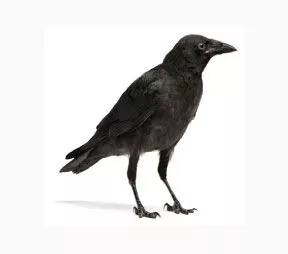
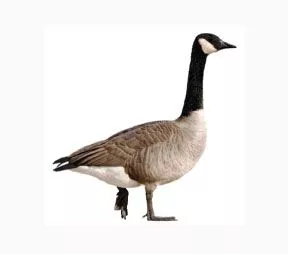 By definition, Canadian Geese are not classified as pest birds and are afforded protection by federal and state agencies. Nonetheless, Canadian Geese are increasingly becoming the scourge of suburbia as their numbers have grown in the past decade from only a few thousand to hundreds of thousands of these birds.
 These sleek little birds are well known for their long migration and nesting habits. Cliff and Barn Swallows spend their winters in South America and summers in North America. They arrive around March in the southern part of the country, reaching the northern states in April. Swallows are very territorial and will always come back to the same nesting site. Swallows have made a very successful switch from cliffs and caves to man made structures for placement of their mud pellet nests.
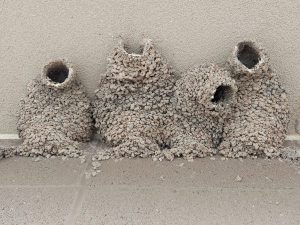 from the bird colony along with collecting on the ground. Homeowners have also reported problems with parasites entering the house through building cracks next to the nests which poses a potential health risk to humans and animals.
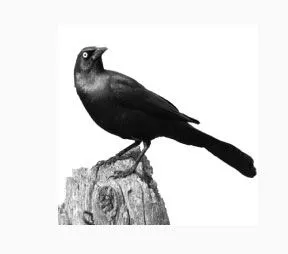 Grackles are boisterous, abundant members of the Troupial Family. The common grackle has a green,blue, or purple iridescent tinted black plumage with a glossy purplish head, neck, and breast with the female of the species, slightly smaller and duller colored.
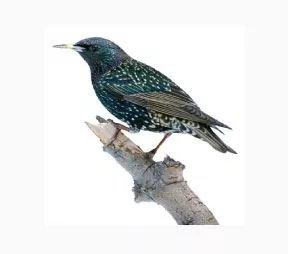 Like the House Sparrow, the Starling was introduced from Europe in the 19th century. However, it did not spread as fast and only reached the western coast within the last few decades.
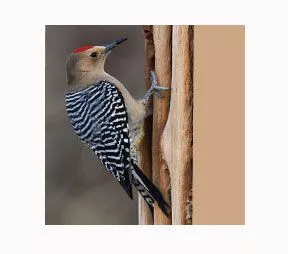 Woodpeckers primarily feed on wood-boring insects using their strong beak and long tongue to dislodge food. Some members of the Woodpecker Family (Flickers) feed on insects of the ground, while others prefer native berries, fruits, and nuts.
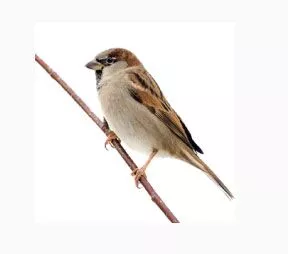 The House Sparrow is the number two urban pest bird. Introduced as a species to North America, the house sparrow quickly spread across the country due to its lack of natural enemies and its adaptive traits. Its ability to nest in urban structures, eat urban scraps, and a large breeding capacity are some of these adaptive traits.
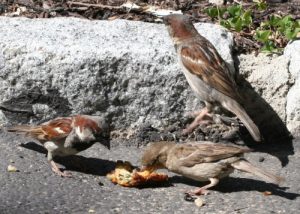 eaves of houses.
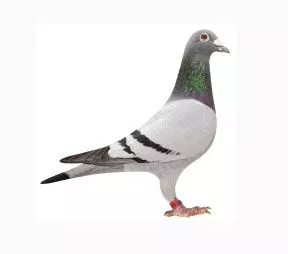 Feral Pigeons (Columbia Livia) are the number one urban pest bird, causing damage where ever they nest or roost. Pigeons are descendants of domesticated European Homing Pigeons or Rock Doves, so they have a varied diet and feel at ease making their homes in man-made structures, they also lay 2 – 3 eggs every 3 or 4 months all year long in Arizona.
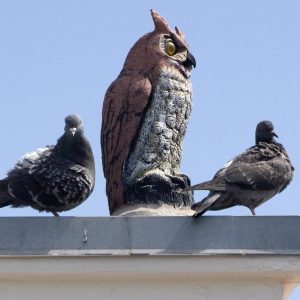 units, roof line overhangs, solar panels or even wide window sills.