
Bird Control in Phoenix: Protecting Homes and Businesses from Pests
Bird Control in Phoenix: Protecting Homes and Businesses from Pests
Phoenix is a beautiful city with year-round sunshine, scenic views, and vibrant wildlife. But with urban growth and warm weather comes a challenge: pest birds. Birds like pigeons, sparrows, woodpeckers, swallows, and others often invade roofs, attics, solar panels, HVAC systems, and commercial building ledges. Their presence causes mess, damage, possible health hazards, and aesthetic issues. Proper bird control in Phoenix is not just a convenience. It is necessary to protect property, maintain efficiency of systems, and preserve clean, safe environments.
At Pigeon Control Phoenix / Southwest Avian Solutions, we specialize in humane, effective bird control solutions. Since 1997 we have served homeowners and businesses throughout Arizona with long-lasting deterrents, exclusion systems, and responsive service. Below are key issues caused by pest birds, methods to address them, and benefits of professional bird control for Phoenix properties.
Why Pest Birds Are a Problem in Phoenix
Birds themselves are part of the ecosystem and beautiful in many settings. But when they roost, nest, or travel in large numbers near human structures, they create problems:
- Mess and Damage: Bird droppings accumulate on roofs, ledges, solar panels, and HVAC units. The acidic nature of droppings can corrode metal, discolor surfaces, degrade sealants, and damage equipment.
- Health Hazards: Droppings and nesting materials often contain pathogens, bacteria, fungi, parasites. They can harbor mold, lice, mites, and may transmit diseases. Accumulated nesting material can trap moisture and promote pest insects.
- Reduced Efficiency: Solar panels covered with droppings or dirt lose efficiency. HVAC intakes obstructed by bird nests or droppings can reduce airflow, increase energy usage, and strain systems.
- Structural Issues: Birds nest in gutters, vents, eaves, and under overhangs. These nests block drainage, possibly leading to water damage or leaks. Woodpeckers cause structural damage by pecking.
- Noise and Nuisance: Constant cooing, scratching, or fluttering can disrupt peace. Also odor from droppings and damaged insulation can create indoor air quality issues.
Because Phoenix is hot, birds also seek shade and protection from heat, so rooftops, underside of solar panels, vents, and overhangs are especially attractive to them.
Types of Bird Pests Common in Phoenix
Understanding the species helps tailor control methods. Some of the pest birds Pigeon Control Phoenix deals with include:
- Pigeons: Among the most common. They roost in eaves, under solar panels, gutters. Lay many eggs, repeat nesting etc. Loved for their adaptability.
- Sparrows: Smaller, more nimble. Nest in small crevices; often harder to exclude without fine-mesh deterrents.
- Woodpeckers: Especially Gila Woodpeckers. Pecking causes damage to fascia, siding, and roofing. Sensitive due to protected status; must be handled carefully.
- Swallows: Build mud nests on overhangs. Once established nests are difficult to remove without legal restrictions.
- Other Pest Birds: Feral pigeons, house sparrows, starlings etc. may come in flocks; can cause large scale mess and odor.
Each species requires different deterrent and exclusion methods. What works well for pigeons may not deter sparrows or woodpeckers, so professional assessment is beneficial.
Humane and Effective Bird Control Solutions
Southwest Avian Solutions offers a variety of bird control services. Below are methods that are humane, long lasting, and suited to Phoenix climate:
- Exclusion Mesh and Screens
Physical barriers like stainless steel or galvanized wire mesh placed under solar panels, along roof eaves, over vents, or under ledges. Mesh size small enough to block small birds, but large enough for airflow. Proper installation ensures durability under sun exposure and wind. - Bird Spikes, Coil, Bird Wire
On ledges, window sills, roof edges where birds land. Spikes and coils prevent perching without harming birds. Bird wire tension wires can also deter roosting. - Netting Over Larger Areas
Netting over open sections of buildings or over large roof overhangs can block entire areas from access. Must be securely anchored. - Deterrent Devices
Visual deterrents (reflective tape, predator decoys, etc.), auditory deterrents, or motion activated scare tools. Electric track systems like Bird-Shock also used in some installations. - HVAC Pigeon Removal and Exclusion
Birds often nest in or around HVAC units. Those units have crevices and intake/exhaust openings. Excluding birds from these helps maintain system efficiency and reduces health risks. - Solar Panel Bird Proofing
Panels are particularly vulnerable. Mesh, screening, or custom barriers built around them can prevent nesting underneath while keeping cooling airflow intact. - OvoControl (Birth Control for Pigeons)
For heavy pigeon populations, employing birth control programs helps reduce numbers over time in a humane, population management way. - Follow-Up and Guarantee
Because birds are persistent, good bird control services offer guarantee or follow up visits. Adjustments may be needed after initial installation. Southwest Avian Solutions offers a “Bird-Free Guarantee” ‒ if service fails, they return to correct the issue. Southwest Avian Solutions
Why Professional Bird Control Matters
DIY methods may work temporarily or partially, but professional services offer several significant advantages:
- Expert Assessment: Trained technicians can spot vulnerable access points, species behavior, nesting patterns, and can recommend appropriate deterrents.
- Compliance with Regulations: Some species (woodpeckers, swallows) are protected. Professionals understand local wildlife rules and ensure legal compliance.
- Quality Materials and Installation: Proper materials, corrosion resistant, UV stable, correctly installed so deterrents remain effective despite heat, wind, storms.
- Long-Term Cost Efficiency: Upfront investment in exclusion and deterrent pays off via reduced cleaning, system repairs, maintenance and energy loss.
How to Evaluate a Bird Control Provider in Phoenix
If you are considering hiring a company for bird control, here are criteria to check:
- Are they locally owned? Experience with Phoenix climate and bird species matters. Southwest Avian Solutions has been operating since 1997. Southwest Avian Solutions
- Do they guarantee their work (e.g., a bird-free guarantee)? Check reviews.
- Free onsite quote and inspection? Includes a detailed proposal. Southwest Avian Solutions frequently provides same-day or rapid quotes. Southwest Avian Solutions
- Humane methods: no harm to birds; use deterrent, exclusion rather than lethal control.
- Product quality: stainless or galvanized materials, durable mesh, UV resistant, suitable for harsh sun exposure.
- Responsiveness: follow up service if birds return or deterrents fail.
Benefits to Homeowners and Businesses
Proper bird control offers many benefits in Phoenix:
- Preserved Appearance: Clean building exteriors, no bird droppings staining walls, ledges, signage.
- Reduced Health Risks: Cleaner air, less exposure to pathogens from droppings and nesting debris.
- Improved Equipment Efficiency: Solar panels, HVAC units, vents stay clear, work better, save energy.
- Reduced Maintenance Costs: Less frequent cleaning, less damage to roofs, wires, frames.
- Peace of Mind: Quiet, neat environment without bird noise, mess, odor.
Case Study or Real-Life Example
One recent customer had a serious pigeon infestation under their solar panels and AC units. The droppings were corroding roof hardware, and the solar performance had noticeably dropped. Southwest Avian Solutions came onsite, installed mesh and barriers around panels and AC units, cleaned the droppings, sealed access points. Afterward, system output improved, and the nuisance was eliminated. Reviewers report satisfaction with communication, thoroughness, and clean up. Southwest Avian Solutions
In Phoenix, where the climate and urban environment combine to attract pest birds, bird control is not optional—it is important. Pigeons, sparrows, woodpeckers, and other pest birds cause damage, reduce system efficiency, pose health risks, and create ongoing maintenance burdens. But with the right exclusion barriers, deterrents, professional services, and preventive care, you can protect your property, preserve functionality of solar panels and HVAC systems, and maintain clean, safe environments.
If pest birds are affecting your home or business, consider professional bird control from Southwest Avian Solutions / Pigeon Control Phoenix. With decades of experience, humane methods, strong guarantees, and local expertise, they provide full-service bird control solutions for Phoenix residents and commercial properties. Contact them for a free inspection and keep your property bird-free.

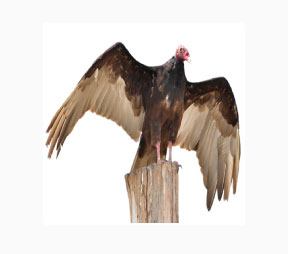 The Turkey Vulture does not win any beauty contests. The birds’ shape and head look similar to a turkey, with a red head and dark body feathers.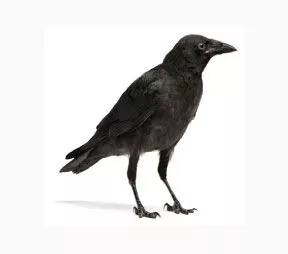
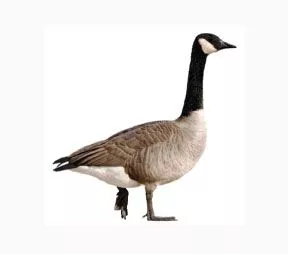 By definition, Canadian Geese are not classified as pest birds and are afforded protection by federal and state agencies. Nonetheless, Canadian Geese are increasingly becoming the scourge of suburbia as their numbers have grown in the past decade from only a few thousand to hundreds of thousands of these birds.
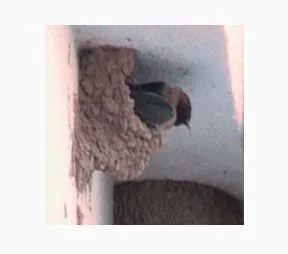 These sleek little birds are well known for their long migration and nesting habits. Cliff and Barn Swallows spend their winters in South America and summers in North America. They arrive around March in the southern part of the country, reaching the northern states in April. Swallows are very territorial and will always come back to the same nesting site. Swallows have made a very successful switch from cliffs and caves to man made structures for placement of their mud pellet nests.
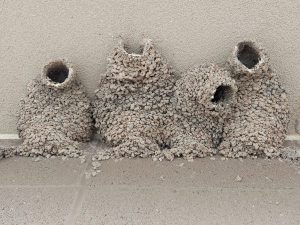 from the bird colony along with collecting on the ground. Homeowners have also reported problems with parasites entering the house through building cracks next to the nests which poses a potential health risk to humans and animals.
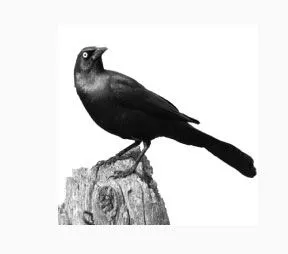 Grackles are boisterous, abundant members of the Troupial Family. The common grackle has a green,blue, or purple iridescent tinted black plumage with a glossy purplish head, neck, and breast with the female of the species, slightly smaller and duller colored.
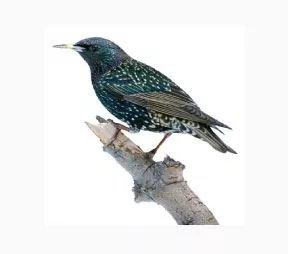 Like the House Sparrow, the Starling was introduced from Europe in the 19th century. However, it did not spread as fast and only reached the western coast within the last few decades.
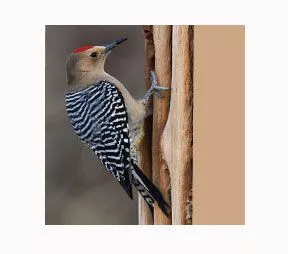 Woodpeckers primarily feed on wood-boring insects using their strong beak and long tongue to dislodge food. Some members of the Woodpecker Family (Flickers) feed on insects of the ground, while others prefer native berries, fruits, and nuts.
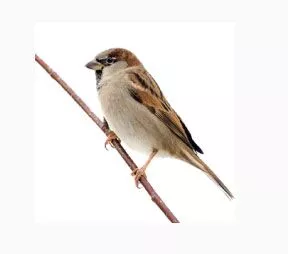 The House Sparrow is the number two urban pest bird. Introduced as a species to North America, the house sparrow quickly spread across the country due to its lack of natural enemies and its adaptive traits. Its ability to nest in urban structures, eat urban scraps, and a large breeding capacity are some of these adaptive traits.
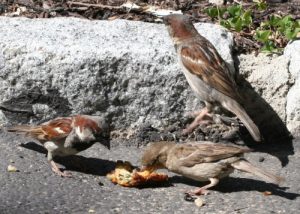 eaves of houses.
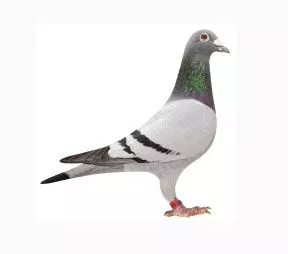 Feral Pigeons (Columbia Livia) are the number one urban pest bird, causing damage where ever they nest or roost. Pigeons are descendants of domesticated European Homing Pigeons or Rock Doves, so they have a varied diet and feel at ease making their homes in man-made structures, they also lay 2 – 3 eggs every 3 or 4 months all year long in Arizona.
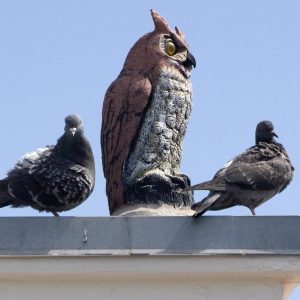 units, roof line overhangs, solar panels or even wide window sills.