
BIRD PEST CONTROL PHOENIX
Fly Away Bird Pests: Effective Strategies for Bird Pest Control in Phoenix
Phoenix, Arizona is home to a wide variety of bird species. While these feathered creatures are often admired for their beauty and unique songs, they can also become a nuisance when they invade properties in large numbers. Bird droppings, nesting materials, and feathers can create unsanitary and hazardous conditions, and their presence can also damage structures and pose health risks to humans. As such, bird pest control in Phoenix is a necessary service that helps residents to manage bird populations safely and humanely.
Birds such as pigeons, starlings, and sparrows are notorious for creating a mess with their droppings, damaging buildings, and spreading diseases. Therefore, it is essential to implement effective residential and commercial bird pest control measures in Phoenix.
Need Birds Pest Removal in Phoenix?
Call Southwest Avian Solutions Today! (602)942-6550
Primary Concerns with Bird Infestation – Phoenix
One of the primary concerns with bird populations, in Phoenix, is the risk of disease transmission. Birds can carry a range of infectious diseases, including salmonella, E. coli, and West Nile virus, which can be transmitted to humans through contact with their feces or through inhalation of airborne particles.
Additionally, birds can attract other pests, such as flies and rodents, which can further exacerbate the problem. As such, it’s important to take measures to prevent birds from nesting and roosting on your Phoenix residential or commercial property.
Effective Bird Pest Control Methods – Phoenix
Here are some of the most effective bird pest control methods, employed by Southwest Avian Solutions, that can help keep birds away from your property.
- Bird Netting – Bird netting is an effective method for preventing birds from roosting and nesting on your property. It involves the installation of a netting system around the perimeter of your building or property, which physically prevents birds from accessing the area. Bird netting is particularly useful for larger buildings, such as warehouses, commercial buildings, and factories.
- Bird Spikes – Bird spikes are another effective bird pest control method that can be used to prevent birds from perching on ledges, roofs, and other surfaces. The spikes create an uneven surface that makes it difficult for birds to land and roost. Bird spikes are available in a variety of sizes and materials, making them suitable for different types of buildings and structures.
- Bird Deterrents – Bird deterrents are devices that use visual or audio signals to scare birds away from your property. For example, reflective tape, balloons, and wind chimes can be effective at scaring birds away from an area. Similarly, audio deterrents that emit high-pitched sounds can also be effective at deterring birds.
- Cleaning and Sanitizing – Cleaning and sanitizing the areas where birds roost and nest can help prevent them from returning to your property. Regular cleaning of bird droppings and nesting materials can also prevent the spread of diseases and bacteria that can be harmful to humans.
- Habitat Modification – Modifying the habitat around your property can also be an effective bird pest control measure. For example, removing sources of food and water can discourage birds from roosting and nesting in the area. Similarly, pruning trees and shrubs can reduce the availability of perching and nesting sites for birds.
Phoenix Bird Pest Control
For Phoenix residential and commercial properties, birds can be a significant pest problem, but many effective bird pest control measures can be used to keep them away from your property. Whether it is bird netting, bird spikes, deterrents, or habitat modification, the key is to implement a comprehensive pest control plan that addresses the specific needs of your property. With the right approach and the help of Southwest Avian Solutions, you can effectively control bird pests and protect your property from damage and disease.
Contact Southwest Avian Solutions to solve all your bird problems. (602)942-6550
Check our Pigeon Removal Services Or our YouTube videos

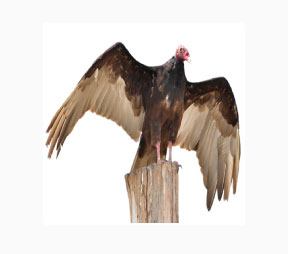 The Turkey Vulture does not win any beauty contests. The birds’ shape and head look similar to a turkey, with a red head and dark body feathers.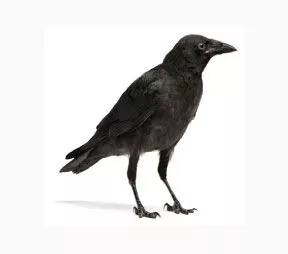
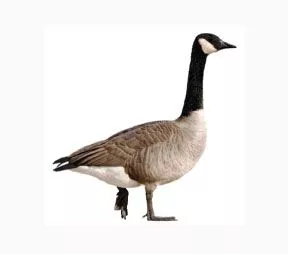 By definition, Canadian Geese are not classified as pest birds and are afforded protection by federal and state agencies. Nonetheless, Canadian Geese are increasingly becoming the scourge of suburbia as their numbers have grown in the past decade from only a few thousand to hundreds of thousands of these birds.
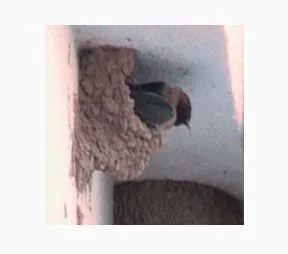 These sleek little birds are well known for their long migration and nesting habits. Cliff and Barn Swallows spend their winters in South America and summers in North America. They arrive around March in the southern part of the country, reaching the northern states in April. Swallows are very territorial and will always come back to the same nesting site. Swallows have made a very successful switch from cliffs and caves to man made structures for placement of their mud pellet nests.
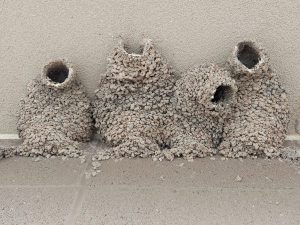 from the bird colony along with collecting on the ground. Homeowners have also reported problems with parasites entering the house through building cracks next to the nests which poses a potential health risk to humans and animals.
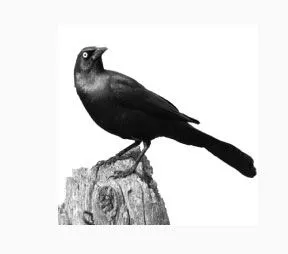 Grackles are boisterous, abundant members of the Troupial Family. The common grackle has a green,blue, or purple iridescent tinted black plumage with a glossy purplish head, neck, and breast with the female of the species, slightly smaller and duller colored.
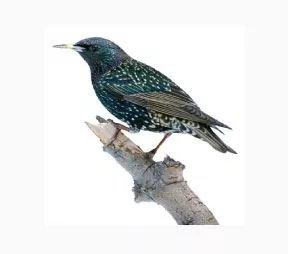 Like the House Sparrow, the Starling was introduced from Europe in the 19th century. However, it did not spread as fast and only reached the western coast within the last few decades.
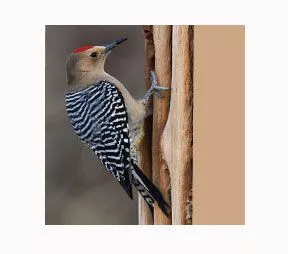 Woodpeckers primarily feed on wood-boring insects using their strong beak and long tongue to dislodge food. Some members of the Woodpecker Family (Flickers) feed on insects of the ground, while others prefer native berries, fruits, and nuts.
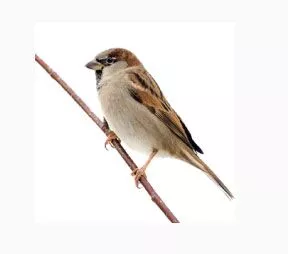 The House Sparrow is the number two urban pest bird. Introduced as a species to North America, the house sparrow quickly spread across the country due to its lack of natural enemies and its adaptive traits. Its ability to nest in urban structures, eat urban scraps, and a large breeding capacity are some of these adaptive traits.
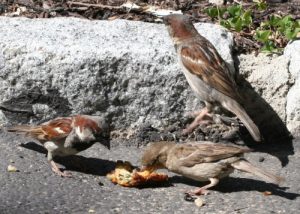 eaves of houses.
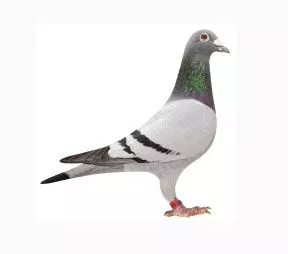 Feral Pigeons (Columbia Livia) are the number one urban pest bird, causing damage where ever they nest or roost. Pigeons are descendants of domesticated European Homing Pigeons or Rock Doves, so they have a varied diet and feel at ease making their homes in man-made structures, they also lay 2 – 3 eggs every 3 or 4 months all year long in Arizona.
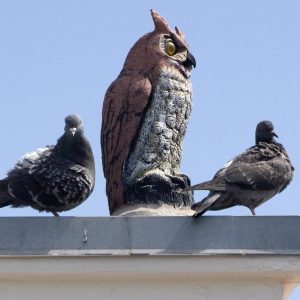 units, roof line overhangs, solar panels or even wide window sills.