
BIRD PEST CONTROL El MIRAGE
Strategic Avian Management: Safeguarding Mirage’s Urban Spaces from Bird-Related Hazards
Mirage, Arizona, a jewel in the Sonoran Desert, is renowned for its breathtaking landscapes and rich biodiversity. Among its diverse wildlife, Mirage boasts a unique array of bird species, from the vibrant hummingbirds to the majestic raptors. While these birds are a testament to the area’s natural beauty, their large congregations in urban and suburban areas can pose significant challenges.
As Mirage continues to grow and evolve, managing bird populations through effective pest control is not just a choice but a necessity. Gathering birds can lead to significant challenges, including accumulating droppings, which are unsightly, acidic, and damaging to structures and vehicles. Bird nesting materials can clog drainage systems, create fire hazards near electrical systems, and contribute to unsanitary conditions. Effective pest control is crucial to ensure the health and safety of residents and the integrity of buildings, playing a vital role in Mirage’s urban development.
Don’t wait for the challenges posed by urban bird populations to escalate. Take action now to protect your environment. Discover how our innovative bird control solutions can restore peace and safety to your property. Call us today at (602)942-6550 to get started.
The Extensive Health and Safety Risks Associated with Bird Infestations in El Mirage
Large bird populations in urban settings such as Mirage bring with them more than just the inconvenience of noise and mess. Birds are known carriers of various diseases, which can pose serious health risks to humans. Diseases such as histoplasmosis, cryptococcosis, and psittacosis can be transmitted to humans by inhaling spores from bird droppings. These conditions are hazardous for individuals with compromised immune systems or pre-existing respiratory conditions.
Additionally, bird droppings are slippery and can lead to slip-and-fall accidents, presenting significant liability risks for property owners. Birds also attract pests like mites, ticks, and fleas, which can infest nearby residential and commercial areas, further complicating pest control efforts. Environmental concerns also arise as unchecked bird populations can lead to the displacement of other wildlife and alter local ecosystems.
In-Depth Bird Control Techniques in Mirage
Managing bird populations in Mirage requires a multi-faceted approach that combines physical barriers, behavioral deterrents, and habitat modifications:
- Enhanced Bird Netting Solutions: Custom-fit netting systems prevent birds from accessing potential roosting and nesting sites on buildings and other structures. This method is particularly effective for large commercial and public buildings, where birds gather in significant numbers, and is essential for maintaining these properties’ aesthetic and structural integrity.
- Sophisticated Bird Spike Systems: These install spikes on ledges, rooftops, and other flat surfaces to deter birds from landing and nesting. The spikes are designed to be humane, causing discomfort to the birds without causing harm, thus preserving the birds and the properties they might otherwise damage.
- Advanced Audiovisual Deterrents: Combining auditory and visual scare tactics can be highly effective. These include ultrasonic devices that emit sounds unpleasant to birds and optical deterrents like flashing lights and laser beams, which disturb birds without causing them physical harm.
- Regular Cleaning and Sanitizing Protocols: Maintaining cleanliness by regularly removing bird droppings and nesting materials helps to prevent health risks and makes areas less attractive to birds returning to previous nesting sites.
- Environmental and Habitat Modification: Altering the environment to make it less hospitable to birds involves removing food sources, managing trash and storage areas to prevent access, and modifying landscaping to reduce the availability of nesting sites.
Long-Term Management and Community Engagement in Mirage
Continuous monitoring and adaptation of strategies are essential for effective long-term control of bird populations. Regular inspections help identify new problem areas and evaluate the effectiveness of existing control measures. Educating the community about the importance of bird control and how to coexist safely with wildlife is equally essential.
Residents and business owners can participate in community-wide efforts to reduce attractants by securing garbage, maintaining properties, and implementing simple deterrents. This proactive community involvement helps manage local bird populations and enhances Mirage’s overall environmental health and aesthetic quality.
Charting the Future of Mirage Urban Bird Management
For residents and business owners in Mirage dealing with nuisance bird populations, contacting experienced pest control professionals like Southwest Avian Solutions offers a pathway to effective and humane solutions. Their expertise ensures that the methods used are tailored to the specific challenges faced, providing relief and protection from the hazards of bird infestations. Contact Southwest Avian Solutions today at (602)942-6550 to schedule a consultation and begin addressing your bird pest control needs.
Contact Us or our check out our Google Reviews!

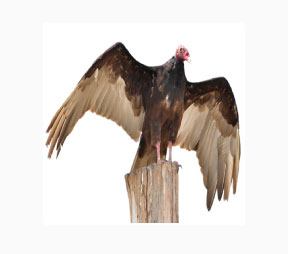 The Turkey Vulture does not win any beauty contests. The birds’ shape and head look similar to a turkey, with a red head and dark body feathers.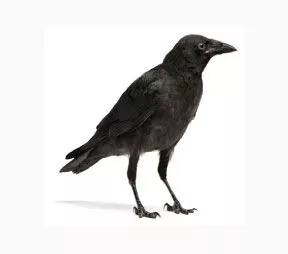
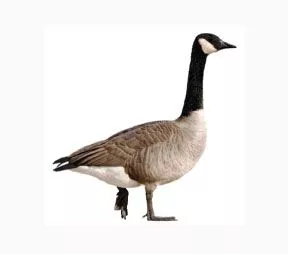 By definition, Canadian Geese are not classified as pest birds and are afforded protection by federal and state agencies. Nonetheless, Canadian Geese are increasingly becoming the scourge of suburbia as their numbers have grown in the past decade from only a few thousand to hundreds of thousands of these birds.
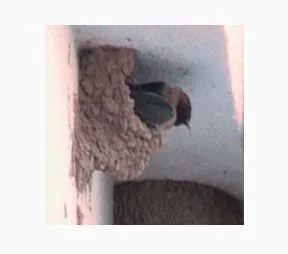 These sleek little birds are well known for their long migration and nesting habits. Cliff and Barn Swallows spend their winters in South America and summers in North America. They arrive around March in the southern part of the country, reaching the northern states in April. Swallows are very territorial and will always come back to the same nesting site. Swallows have made a very successful switch from cliffs and caves to man made structures for placement of their mud pellet nests.
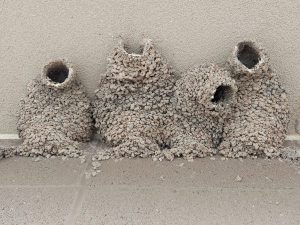 from the bird colony along with collecting on the ground. Homeowners have also reported problems with parasites entering the house through building cracks next to the nests which poses a potential health risk to humans and animals.
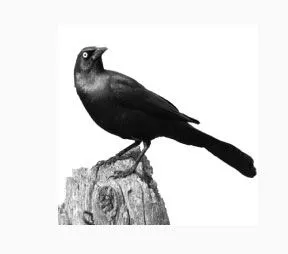 Grackles are boisterous, abundant members of the Troupial Family. The common grackle has a green,blue, or purple iridescent tinted black plumage with a glossy purplish head, neck, and breast with the female of the species, slightly smaller and duller colored.
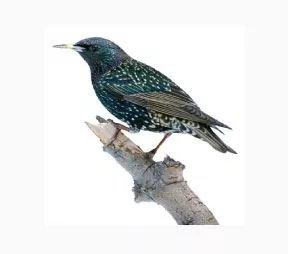 Like the House Sparrow, the Starling was introduced from Europe in the 19th century. However, it did not spread as fast and only reached the western coast within the last few decades.
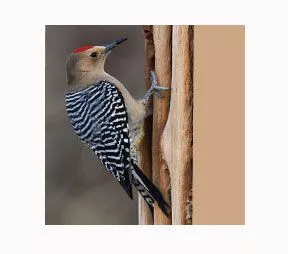 Woodpeckers primarily feed on wood-boring insects using their strong beak and long tongue to dislodge food. Some members of the Woodpecker Family (Flickers) feed on insects of the ground, while others prefer native berries, fruits, and nuts.
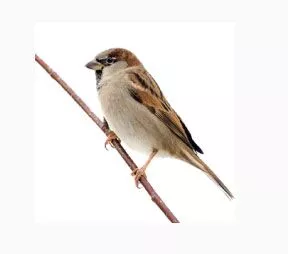 The House Sparrow is the number two urban pest bird. Introduced as a species to North America, the house sparrow quickly spread across the country due to its lack of natural enemies and its adaptive traits. Its ability to nest in urban structures, eat urban scraps, and a large breeding capacity are some of these adaptive traits.
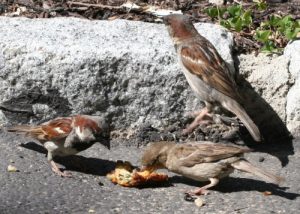 eaves of houses.
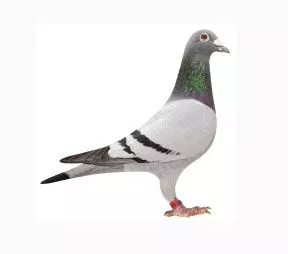 Feral Pigeons (Columbia Livia) are the number one urban pest bird, causing damage where ever they nest or roost. Pigeons are descendants of domesticated European Homing Pigeons or Rock Doves, so they have a varied diet and feel at ease making their homes in man-made structures, they also lay 2 – 3 eggs every 3 or 4 months all year long in Arizona.
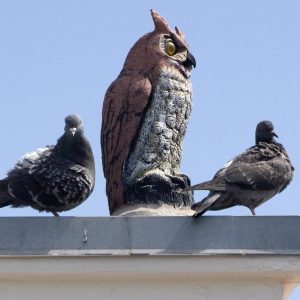 units, roof line overhangs, solar panels or even wide window sills.