
Bird Control Near Phoenix: Humane, Effective Solutions for Homes and Businesses
Bird Control Near Phoenix: Humane, Effective Solutions for Homes and Businesses
Phoenix area residents often face challenges with pest birds such as pigeons, sparrows, swallows, and woodpeckers. These birds can cause damage, mess, and health concerns. If you are searching for bird control near Phoenix, you are not alone. Homeowners and businesses alike want solutions that are humane, long-lasting, and visually unobtrusive. Pigeon Control Phoenix / Southwest Avian Solutions offers trusted services, with decades of experience protecting structures and improving comfort.
Why Bird Control Matters in Phoenix
Bird problems in urban and suburban Phoenix are more than just aesthetic. Some of the issues include:
- Structural damage: Bird droppings are acidic and can degrade roofing materials, metal flashing, solar panels, wire insulation, and siding over time.
- Health risks: Accumulated droppings and nesting debris can harbor mites, bacteria, fungi, parasites, and other pathogens. Dust and dry droppings can get airborne and cause respiratory irritation.
- Reduced performance of systems: Solar panels covered in droppings or debris under panels lose sunlight absorption. HVAC intakes blocked by nests or droppings reduce airflow and efficiency.
- Clean-up costs: Power washing, repainting, wiring repairs, and frequent maintenance add up.
- Noise and nuisance: The constant cooing, scratching, flapping, and droppings are unpleasant and may affect quality of life or business environment.
Because Phoenix is warm most of the year and dry, nesting and roosting habitats under roof overhangs, solar panel mounts, and in vents are especially appealing to birds. Addressing bird control isn’t just prevention—it protects your investment.
Common Pest Birds in the Phoenix Area
Understanding which bird species are causing issues helps in choosing the right control method. Some of the more common pest birds include:
- Pigeons: Very common. Nest under solar panels, on ledges, in gutters, under AC units. They reproduce rapidly, produce large amounts of droppings.
- House Sparrows: Small, adaptable. Nest in small crevices, roof vents, under eaves. They will always find a small opening.
- Woodpeckers (especially Gila Woodpeckers): These birds peck wood for nesting. They can damage wood siding or fascia. Protected species, so interventions must comply with local wildlife laws.
- Swallows and Swifts: They build mud nests under eaves or ledges. Once established, nests are harder to remove and legal protections may apply during nesting seasons.
Services Offered for Bird Control Near Phoenix
Pigeon Control Phoenix / Southwest Avian Solutions offers a full suite of bird control services validated by over 18,500 projects since 1997. Key services include:
- Residential Bird control: Solutions for homes, including roof ledges, vents, solar panels, window sills, gutters. Humane exclusion, mesh, screening, deterrents.
- Commercial Bird control: Larger installations for commercial roofs, parking structures, cooling towers, canopies, office buildings. Systems designed to look pleasing and last long.
- Solar Panel Bird Proofing: Special techniques to prevent birds from nesting under panels while maintaining airflow and efficiency.
- HVAC Pigeon Removal and Exclusion: Preventing birds from entering HVAC systems where they cause blockage, odors, and damage.
- OvoControl: A birth control program for pigeons to reduce reproduction in heavy populations.
- Flock Off: Products and methods for discouraging birds from roosting or perching in problem zones.
What Makes a Good Bird Control Strategy
Effective bird control near Phoenix includes several key features:
- Humane and Legal Practices
Exclusion, deterrents, and preventative design are preferred over lethal methods. Some species (woodpeckers, swallows) are protected by law, so legal compliance is important. - Durable Materials and Installation
Mesh, wire, screening, spikes, and other deterrents should be corrosion resistant, UV stable, and installed so they withstand weather, heat, wind, and monsoon conditions. - Aesthetic Sensitivity
Many homeowners want solutions that are not visually disruptive. Discreet mesh, color-matched components, hidden wiring help maintain property appearance. - Guarantee and Follow-Up
Because bird behavior is persistent, a guarantee (such as a “bird-free guarantee”) helps ensure follow-up if issues reappear. Southwest Avian Solutions offers such guarantees. Southwest Avian Solutions - Customized Assessment
Every building is different. Roof design, shading, solar panel layout, nearby trees, vents—all affect where birds nest or roost. A free onsite inspection helps develop the correct exclusion strategy. Southwest Avian Solutions
Tips for Homeowners to Prevent Bird Infestations
While professional help is best for thorough, safe solutions, homeowners can do several things to reduce bird problems:
- Keep roof overhangs, vents, solar panel perimeters clean and free of debris.
- Remove or seal small openings under roof lines or fascia.
- Trim tree limbs near roof surfaces to reduce bird access or perching.
- Clean droppings and nesting materials early (before monsoon, after storms) to reduce the attraction.
- Avoid feeding birds near your home (bird feeders or accessible waste) that may draw populations.
How to Choose a Bird Control Company Near Phoenix
If you are searching for bird control near Phoenix, here are questions to ask prospective providers:
- How many years have you been operating locally? (Phoenix area, climate, bird species knowledge matters)
- Do you offer free onsite inspection and a written quote with photos?
- Which materials and methods do you use for exclusion and deterrent? Are they durable, legal, and aesthetically acceptable?
- Do you offer guarantees or follow-up services if birds return?
- Are you licensed and compliant with wildlife laws for the species in question?
Southwest Avian Solutions offers free onsite quotes, detailed proposals, service with a bird-free guarantee, and over 26 years of experience. Southwest Avian Solutions
The Process of Bird Control
Here’s an example of how bird control work typically proceeds in Phoenix with a quality provider:
- Inspection and Identification
A technician visits your property to determine which bird species are involved, where they nest or roost, access points, damage risks. - Proposal for Exclusion
Based on inspection, they propose solutions: mesh, screening, spikes, netting, etc. Provide photos, cost, timeline. - Site Preparation and Cleaning
Removal of old nests, debris, droppings, cleaning surfaces that will be excluded or covered. - Installation
Install deterrents or exclusion barriers. Make sure the installation is secure, neatly done, color matched where possible. - Testing and Monitoring
Verify that birds are no longer able to roost. Return visits may occur if birds try to reaccess. - Maintenance
Occasional maintenance can prolong solutions: checking fasteners, cleaning mesh, reapplying deterrents, etc.
Why Southwest Avian Solutions Is Trusted for Bird Control Near Phoenix
From the website and reviews, there are several reasons this company is considered reliable:
- Locally owned since 1997, over 18,500 projects completed. Southwest Avian Solutions
- Bird-free guarantee: if birds return, they will come back to correct the problem. Southwest Avian Solutions
- Humane and discreet deterrent methods, looking for long-term results. Southwest Avian Solutions
- Fast quoting: most quotes emailed same day, with detailed proposals. Southwest Avian Solutions
- Trusted by both residential and commercial clients: wide service area, variety of structure types. Southwest Avian Solutions
If you are dealing with pest birds in Phoenix or nearby areas, taking action sooner rather than later is wise. Uncontrolled bird nesting leads to damage, mess, health risks, and hidden costs. With professional bird control near Phoenix from Southwest Avian Solutions, you get humane exclusion, durable materials, expert installation, and peace of mind.
Whether you own a home, business, solar array, or AC unit, a tailored bird control plan can save you money, protect your systems, and help maintain a clean and healthy environment.

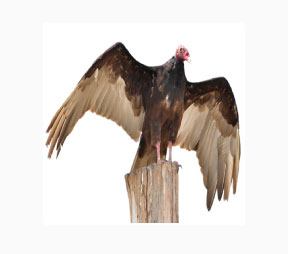 The Turkey Vulture does not win any beauty contests. The birds’ shape and head look similar to a turkey, with a red head and dark body feathers.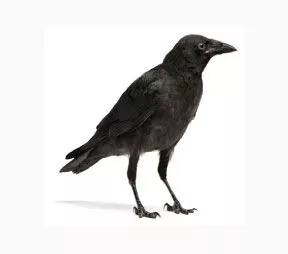
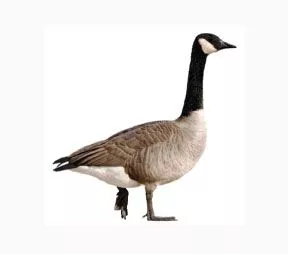 By definition, Canadian Geese are not classified as pest birds and are afforded protection by federal and state agencies. Nonetheless, Canadian Geese are increasingly becoming the scourge of suburbia as their numbers have grown in the past decade from only a few thousand to hundreds of thousands of these birds.
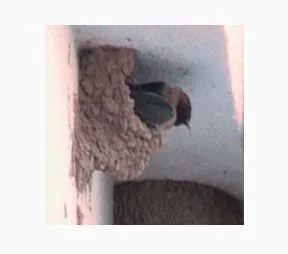 These sleek little birds are well known for their long migration and nesting habits. Cliff and Barn Swallows spend their winters in South America and summers in North America. They arrive around March in the southern part of the country, reaching the northern states in April. Swallows are very territorial and will always come back to the same nesting site. Swallows have made a very successful switch from cliffs and caves to man made structures for placement of their mud pellet nests.
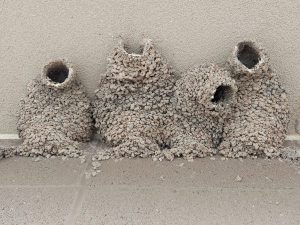 from the bird colony along with collecting on the ground. Homeowners have also reported problems with parasites entering the house through building cracks next to the nests which poses a potential health risk to humans and animals.
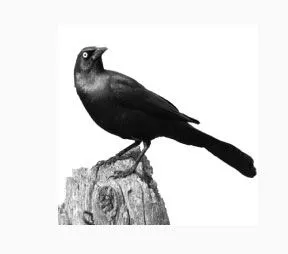 Grackles are boisterous, abundant members of the Troupial Family. The common grackle has a green,blue, or purple iridescent tinted black plumage with a glossy purplish head, neck, and breast with the female of the species, slightly smaller and duller colored.
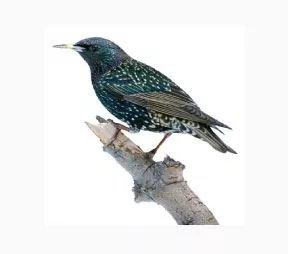 Like the House Sparrow, the Starling was introduced from Europe in the 19th century. However, it did not spread as fast and only reached the western coast within the last few decades.
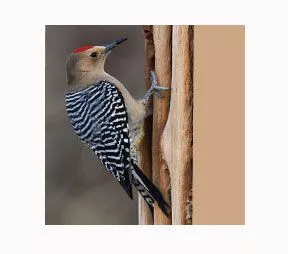 Woodpeckers primarily feed on wood-boring insects using their strong beak and long tongue to dislodge food. Some members of the Woodpecker Family (Flickers) feed on insects of the ground, while others prefer native berries, fruits, and nuts.
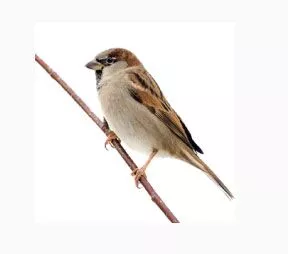 The House Sparrow is the number two urban pest bird. Introduced as a species to North America, the house sparrow quickly spread across the country due to its lack of natural enemies and its adaptive traits. Its ability to nest in urban structures, eat urban scraps, and a large breeding capacity are some of these adaptive traits.
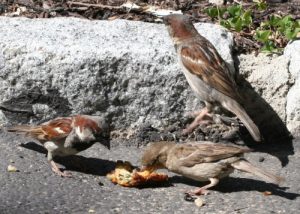 eaves of houses.
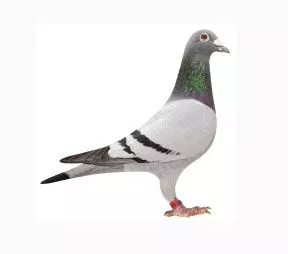 Feral Pigeons (Columbia Livia) are the number one urban pest bird, causing damage where ever they nest or roost. Pigeons are descendants of domesticated European Homing Pigeons or Rock Doves, so they have a varied diet and feel at ease making their homes in man-made structures, they also lay 2 – 3 eggs every 3 or 4 months all year long in Arizona.
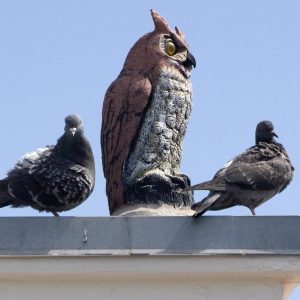 units, roof line overhangs, solar panels or even wide window sills.