
Woodpecker Control in Phoenix and Arizona
- Home
- Woodpecker Control in Phoenix and Arizona
Woodpecker Control in Phoenix and Arizona
While the other pest birds like pigeons, swallows, sparrows or others in Arizona have all sorts of nooks and crannies, ledges, and protected areas under eaves, A/C units and even next to chimneys that all offer protection, woodpeckers are very different when it comes to why they like your home.
Arizona Gila woodpeckers if you have ever been woken up at the crack of dawn with them pounding or drumming on your chimney or the sides of your home in Phoenix and other parts of Arizona you will know what I mean.
The adult woodpecker weighs about 3.5 oz (68 gm) and is 8-10 inches long (20-25 cm). Both male and female Gila woodpeckers have a brown face, black and white zebra striped back, and white wing patches that are visible during flight. Adult males have a red cap of feathers on the top of their head.
Arizona woodpeckers seem to have taken a liking to the foam backing behind the stucco on our modern homes which they have discovered makes a really comfortable lining material in their nests.
Az. Woodpeckers will use the metal chimney caps as well as the exhaust vents and metal flashing on roofs as a sounding board to signal other males this is their turf as well as attract a mate.
How To Get Rid Of Gila Woodpeckers
Native Woodpeckers are federally protected so we can’t legally hurt or kill them. We can only try a persuade them to move somewhere else using a number of different deterrents and or repellents.
There are number of humane products available to us here at Southwest Avian Solutions and some techniques that we can use to help make your pest woodpecker’s uncomfortable doing what woodpeckers do.
We often need to use a combination of deterrents like “Optical Gel” around the holes the woodpeckers have made or woodpecker scare devices like “The Intimidators” or “Eagle Eyes” flashers and other deterrents that will ultimately get the job done, most of the time.
Woodpeckers are resilient and will keep attacking the building from different sides and on different areas of the building, which is why it is so hard to guarantee complete control of your woodpecker problems.
Woodpecker Damage
In Arizona the Gila Woodpecker can do a tremendous amount of damage to homes and other structures in a short period of time if they are not dealt with as soon as possible or when holes or damage starts to appear. Once they find some place they like they don’t generally move on of their own accord. They will peck holes in various surfaces for a few different reasons:
- Nesting site – Woodpeckers nest in cavities that they excavate with their long beak. In the Sonoran Desert they often make these cavities in saguaro cactus. The inside of a cactus provides a safe, cool place for the woodpeckers to raise their young. The excavated cavity is called a “boot”. Woodpeckers usually lay 3-4 white eggs from early April to late May. Many time owls, kestrels, cactus wrens and other birds will use a vacated woodpecker hole for their own nest, occasionally we will find them nesting in a structure, too.
- Nesting materials – They love to use the foam behind our stucco or the batt insulation in our walls and attics to line their nests. It helps keep them and their chicks warm.
- Food – Woodpeckers eat a variety of bugs or insects like termites and ants. Gila Woodpeckers eat mainly insects, but they will also eat cactus fruits, mistletoe berries and other seasonal fruits. They have adapted to human populations by learning to hang onto backyard hummingbird feeders and lick up the sugary water. They also have been known to steal dog food from backyard porches.
- Bravado – Woodpeckers have very strong head and neck muscles so they are able to withstand the shock of pecking into trees and other materials. They have a long pointed beak as well as a long sticky tongue with a bristle-like tip. The pecking noise you hear is a male woodpecker’s way of proclaiming himself the dominant male to ward off other males and to help attract a female mate.
- Maintenance – Pecking or drilling into hard surfaces keeps them in tip top shape and keeps their beaks sharp.
Repairing Woodpecker Damages
As soon as the woodpecker damage appears you should fill or cover the opening
- The holes should be filled or close off to prevent other birds like Sparrows, Grackles, Starlings or even small hawks and owls from going into the hole and nesting inside the wall.
- Sealing the opening will also help prevent bees from building a hive inside the wall cavity, also keeps bugs, moisture and dirt out so you don’t have other problems later. If in the stucco the repair should be textured and painted to match the rest of the structure.
- If you’re being woken up earlier in the morning by a drumming sound, start seeing small to fist size holes in the side of your home or business then you’re dealing with a woodpecker problem. It almost never gets better on its own and the damages can get quite extensive in a short period of time.
Call Southwest Avian Solutions today at 602-942-650 or fill out our contact form and get a free quote today.
Schedule Free Consultation
"*" indicates required fields

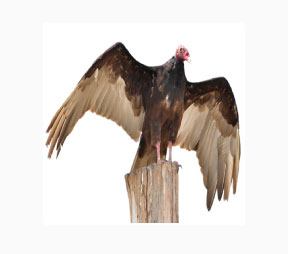 The Turkey Vulture does not win any beauty contests. The birds’ shape and head look similar to a turkey, with a red head and dark body feathers.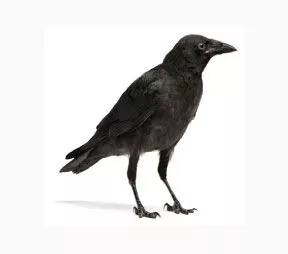
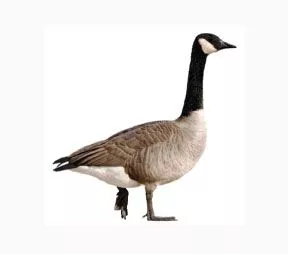 By definition, Canadian Geese are not classified as pest birds and are afforded protection by federal and state agencies. Nonetheless, Canadian Geese are increasingly becoming the scourge of suburbia as their numbers have grown in the past decade from only a few thousand to hundreds of thousands of these birds.
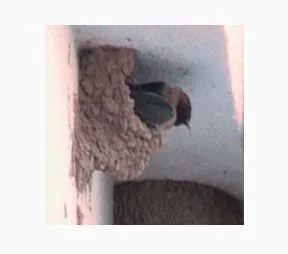 These sleek little birds are well known for their long migration and nesting habits. Cliff and Barn Swallows spend their winters in South America and summers in North America. They arrive around March in the southern part of the country, reaching the northern states in April. Swallows are very territorial and will always come back to the same nesting site. Swallows have made a very successful switch from cliffs and caves to man made structures for placement of their mud pellet nests.
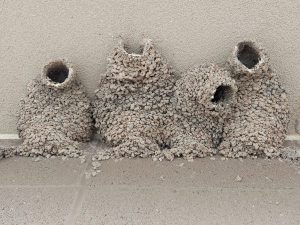 from the bird colony along with collecting on the ground. Homeowners have also reported problems with parasites entering the house through building cracks next to the nests which poses a potential health risk to humans and animals.
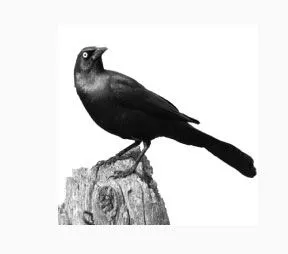 Grackles are boisterous, abundant members of the Troupial Family. The common grackle has a green,blue, or purple iridescent tinted black plumage with a glossy purplish head, neck, and breast with the female of the species, slightly smaller and duller colored.
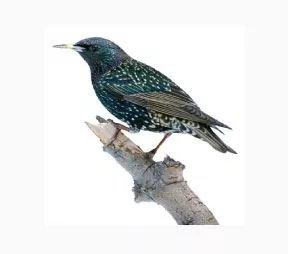 Like the House Sparrow, the Starling was introduced from Europe in the 19th century. However, it did not spread as fast and only reached the western coast within the last few decades.
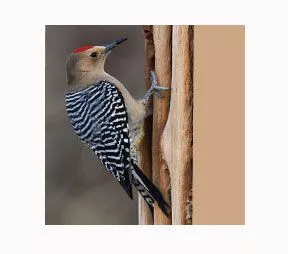 Woodpeckers primarily feed on wood-boring insects using their strong beak and long tongue to dislodge food. Some members of the Woodpecker Family (Flickers) feed on insects of the ground, while others prefer native berries, fruits, and nuts.
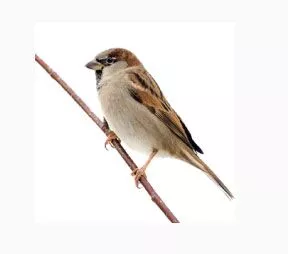 The House Sparrow is the number two urban pest bird. Introduced as a species to North America, the house sparrow quickly spread across the country due to its lack of natural enemies and its adaptive traits. Its ability to nest in urban structures, eat urban scraps, and a large breeding capacity are some of these adaptive traits.
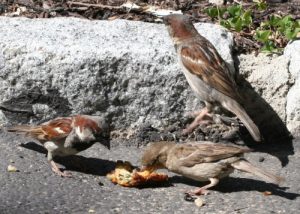 eaves of houses.
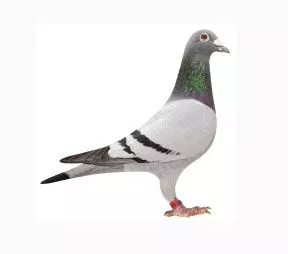 Feral Pigeons (Columbia Livia) are the number one urban pest bird, causing damage where ever they nest or roost. Pigeons are descendants of domesticated European Homing Pigeons or Rock Doves, so they have a varied diet and feel at ease making their homes in man-made structures, they also lay 2 – 3 eggs every 3 or 4 months all year long in Arizona.
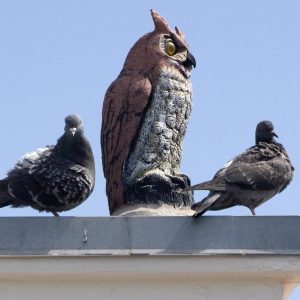 units, roof line overhangs, solar panels or even wide window sills.