
We Exclude Pigeons From HVAC Areas
Pigeons and Pest Birds Around HVAC Units Pose a Serious Health Threats
Some of the most serious problems caused by pigeons and other pest birds are the health issues they present. Pigeons and other pest birds have been known to carry as many as 60 transmittable diseases and they often play host to 40 or more parasites. Needless to say, these birds can be the cause of major health issues wherever they go.
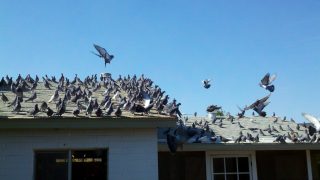 Pest birds and pigeons like to nest under and around HVAC units because of the shelter, and sometimes water due to condensation, they provide. Most of the diseases and parasites they carry are transmitted through their fecal matter, their poop. Pigeons poop around 50 times everyday, and even build their nests primarily out of their poop. When their poop dries and crumbles, small particles become airborne. These particles can get sucked into HVAC units an be dispersed throughout your home or commercial building.
The most concerning of the diseases spread by pigeons and pest birds are Histoplasmosis, Candidiasis, Cryptococcosis, St. Louis. Encephalitis, Salmonellosis, E.Coli, and West Nile Virus (transmitted through mosquito bites). These diseases are dangerous, often resulting in hospitalization,and are sometimes even fatal. Some of the parasites carried by pigeons and pest birds include bed bugs, chicken mites, and yellow meal worms. These parasites can play host to numerous other diseases than can spread to humans.
Pest Bird and Pigeon Droppings, Feathers, and Nests Damage Equipment and Create Unsafe Work Environments
Pigeon and other pest bird droppings, feathers, and nests reduce the efficiency of and cause damage to HVAC units by obstructing the heat exchangers or posing a fire hazard. Unsafe work environments are created by birds when they pose threats to HVAC service technicians. Bird droppings can result in slip and fall hazards, health hazards, or even prevent the tech from servicing the unit at all.
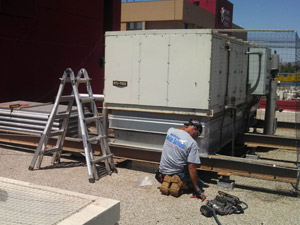
Proper bird exclusion is key to ensuring a safe work environment for HVAC service technicians. Improperly installed bird and pigeon exclusion products or materials can result in damage to those products or materials when the HVAC unit needs to be serviced. The products or materials may fail due to improper installation or simply the use of incorrect products or materials. This would allow pest birds and pigeons access to the HVAC unit once again and probably result in further damage to the HVAC unit.
It is critical, when installing pigeon and bird exclusion products or materials, to ensure easy access for HVAC techs but not birds. This is not always an easy task, and is exactly why you should trust only the best pigeon and bird exclusion professionals, Southwest Avian Solutions, to properly protect your HVAC units.
 HVAC pigeon and pest bird removal and exclusion services are covered by our exclusive 5 year Bird Free Guarantee.
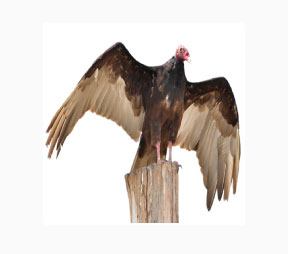 The Turkey Vulture does not win any beauty contests. The birds’ shape and head look similar to a turkey, with a red head and dark body feathers.
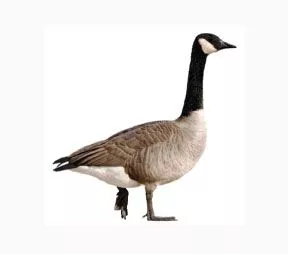 By definition, Canadian Geese are not classified as pest birds and are afforded protection by federal and state agencies. Nonetheless, Canadian Geese are increasingly becoming the scourge of suburbia as their numbers have grown in the past decade from only a few thousand to hundreds of thousands of these birds.
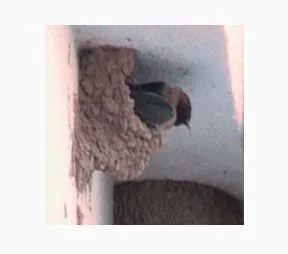 These sleek little birds are well known for their long migration and nesting habits. Cliff and Barn Swallows spend their winters in South America and summers in North America. They arrive around March in the southern part of the country, reaching the northern states in April. Swallows are very territorial and will always come back to the same nesting site. Swallows have made a very successful switch from cliffs and caves to man made structures for placement of their mud pellet nests.
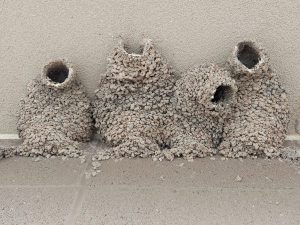 from the bird colony along with collecting on the ground. Homeowners have also reported problems with parasites entering the house through building cracks next to the nests which poses a potential health risk to humans and animals.
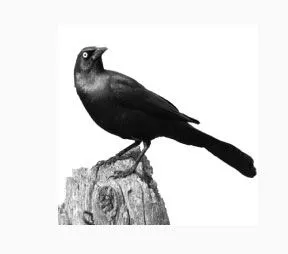 Grackles are boisterous, abundant members of the Troupial Family. The common grackle has a green,blue, or purple iridescent tinted black plumage with a glossy purplish head, neck, and breast with the female of the species, slightly smaller and duller colored.
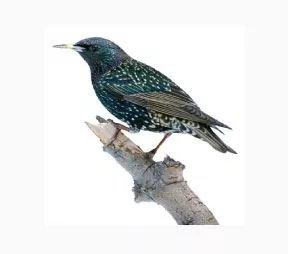 Like the House Sparrow, the Starling was introduced from Europe in the 19th century. However, it did not spread as fast and only reached the western coast within the last few decades.
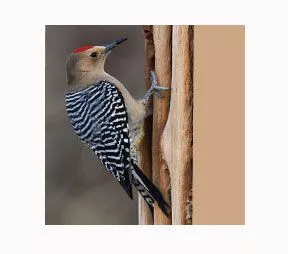 Woodpeckers primarily feed on wood-boring insects using their strong beak and long tongue to dislodge food. Some members of the Woodpecker Family (Flickers) feed on insects of the ground, while others prefer native berries, fruits, and nuts.
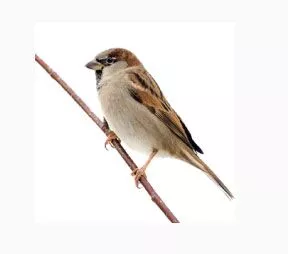 The House Sparrow is the number two urban pest bird. Introduced as a species to North America, the house sparrow quickly spread across the country due to its lack of natural enemies and its adaptive traits. Its ability to nest in urban structures, eat urban scraps, and a large breeding capacity are some of these adaptive traits.
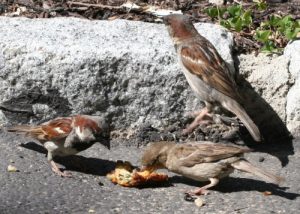 eaves of houses.
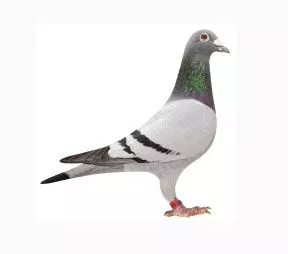 Feral Pigeons (Columbia Livia) are the number one urban pest bird, causing damage where ever they nest or roost. Pigeons are descendants of domesticated European Homing Pigeons or Rock Doves, so they have a varied diet and feel at ease making their homes in man-made structures, they also lay 2 – 3 eggs every 3 or 4 months all year long in Arizona.
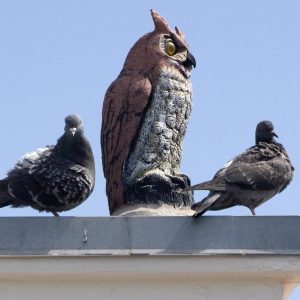 units, roof line overhangs, solar panels or even wide window sills.